Encyclopedia of Life · EOL (see source)
Bathydraconidae
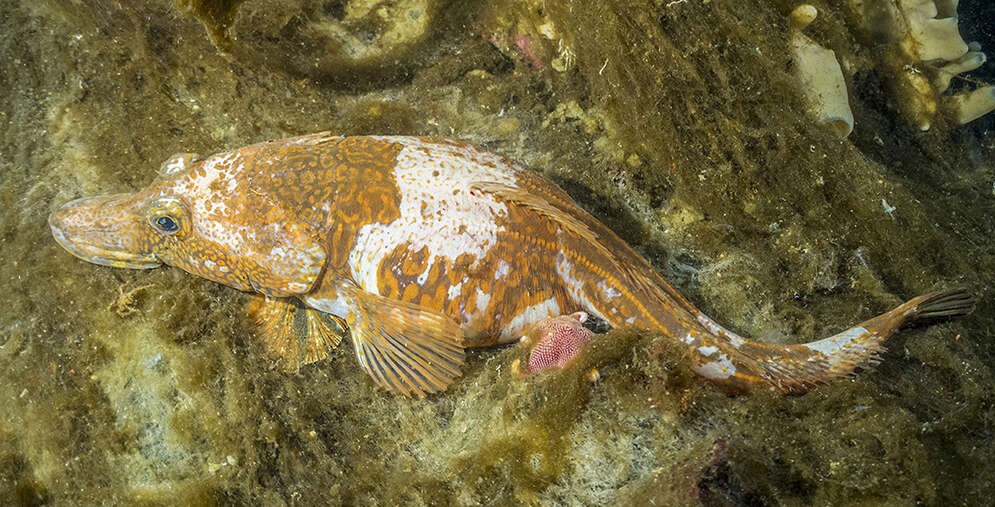
Sign in to saveThe Bathydraconidae, or the Antarctic dragonfishes, are a family of marine ray-finned fishes, notothenioids belonging to the Perciform suborder Notothenioidei. The family comprises four genera. These fishes are endemic to deep waters off Antarctica.
Species
Antarctic dragonfishes
FAMILY
- KingdomAnimalia
- PhylumChordata
- ClassTeleostei
- OrderPerciformes
- FamilyBathydraconidae
屬 見內文 龍鰧科為輻鰭魚綱鱸形目的其中一個科。 目录 1 分類 1.1 棘龍鰧屬(Acanthodraco) 1.2 裸頭龍鰧屬(Akarotaxis) 1.3 淵龍鰧屬(Bathydraco) 1.4 天鵝龍鰧屬(Cygnodraco) 1.5 姥龍鰧屬(Gerlachea) 1.6 裸龍鰧屬(Gymnodraco) 1.7 副帶腭魚屬(Parachaenichthys) 1.8 鋸淵龍鰧屬(Prionodraco) 1.9 滑龍鰧屬(Psilodraco) 1.10 拉氏淵龍鰧屬(Racovitzia) 1.11 犁齒龍鰧屬(Vomeridens) 分類 龍鰧科其下分11個屬,如下: 棘龍鰧屬(Acanthodraco) 棘龍鰧(Acanthodraco dewitti) 裸頭龍鰧屬(Akarotaxis) 裸頭龍鰧(Akarotaxis nudiceps) 淵龍鰧屬(Bathydraco) 南極淵龍鰧(Bathydraco antarcticus) 多耙淵龍鰧(Bathydraco joannae) 大鱗淵龍鰧(Bathydraco macrolepis) 斑條淵龍鰧(Bathydraco marri) 斷線淵龍鰧(Bathydraco scotiae) 天鵝龍鰧屬(Cygnodraco) 天鵝龍鰧(Cygnodraco mawsoni) 姥龍鰧屬(Gerlachea) 澳洲姥龍鰧(Gerlachea australis) 裸龍鰧屬(Gymnodraco) 尖頭裸龍鰧(Gymnodraco acuticeps) 副帶腭魚屬(Parachaenichthys) 扁嘴副帶腭魚(Parachaenichthys charcoti) 副帶腭魚(Parachaenichthys georgianus) 鋸淵龍鰧屬(Prionodraco) 鋸淵龍鰧(Prionodraco evansii) 滑龍鰧屬(Psilodraco) 滑龍鰧(Psilodraco breviceps) 拉氏淵龍鰧屬(Racovitzia) 拉氏淵龍鰧(Racovitzia glacialis) 哈瑞森拉氏淵龍鰧(Racovitzia harrissoni) 犁齒龍鰧屬(Vomeridens) 犁齒龍鰧(Vomeridens infuscipinnis) 取自“https://zh.wikipedia.org/w/index.php?title=龍鰧科&oldid=33504625” 分类:龍鰧科 隐藏分类:本地相关图片与维基数据不同
via GBIF
Museum specimens
- Specimen records
- 78
- Family
- Bathydraconidae
- Collections
- YPM, USNM, VIMS, LACM, UWFC
- Recorded in
- United Kingdom, Antarctica
Wikidata facts
- Instance of
- taxon
- Parent taxon
- Notothenioidei
- Image
- Bathydraco antarcticus.jpg
Show 4 more facts
- Commons category
- Bathydraconidae
- taxon name
- Bathydraconidae
- taxon rank
- family
- topic's main category
- Category:Bathydraconidae
Sources (1)
via Wikidata · CC0
~4 min read
Encyclopedic overview
5 sectionsContents
- Taxonomy
- Genera
- Characteristics
- Distribution, habitat and biology
- References
The Bathydraconidae, or the Antarctic dragonfishes, are a family of marine ray-finned fishes, notothenioids belonging to the Perciform suborder Notothenioidei. The family comprises four genera. These fishes are endemic to deep waters off Antarctica.
==Taxonomy== Bathydraconidae was first formally described as a family in 1913 by the English ichthyologist Charles Tate Regan in his report on the fishes collected on the Scottish National Antarctic Expedition to the Royal Society of Edinburgh. He used the genus Bathydraco, which had been described by Albert Gunther in 1878 as a monotypic genus with B. antarctica as its type species, as the type genus. Molecular analyses have supported the split of bathydraconids into three clades; Bathydraconinae which includes Bathydraco, Prionodraco and Racovitzia; Gymnodraconinae which includes Gymnodraco, Psilodraco and Acanthodraco); and Cygnodraconinae including Cygnodraco, Gerlachea and Parachaenichthys. However, this subdivision is not recognised in the 5th edition of Fishes of the World. The name of the family is derived from the generic name Bathydraco which is a combination of bathy meaning "deep" and draco meaning dragon, the type of B. antarctica was collected at and draco is a commonly used suffix for Notothenioids.
Excerpted from Wikipedia’s “Bathydraconidae” article, available under the CC BY-SA 4.0 licence.