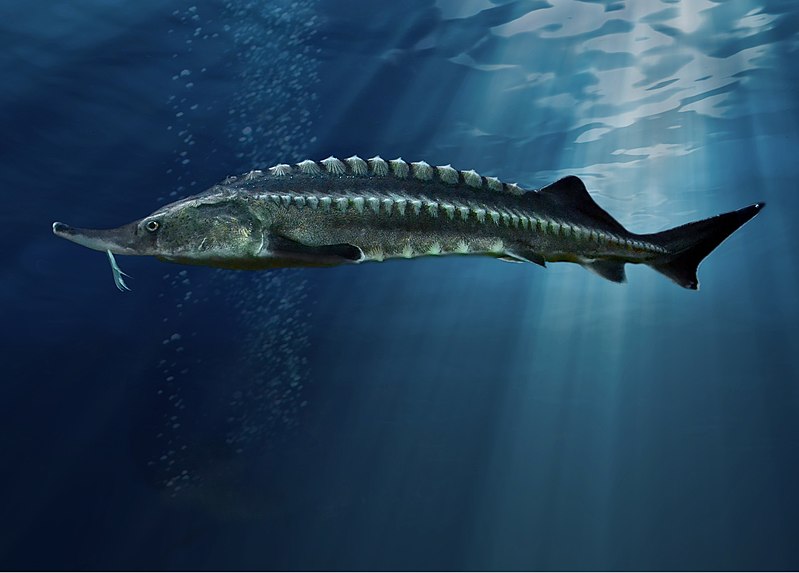
File:Білуга_(Huso_huso).jpg · Wikimedia Commons · See Wikimedia Commons
OverviewAI-generated
The name Beluga refers to two distinct biological taxa. The first is the species *Huso huso*, a sturgeon with common names including European Sturgeon, Giant Sturgeon, and Great Sturgeon. It is classified within the genus *Huso* and is the source of beluga caviar. The second is the genus *Beluga*, described by Rafinesque in 1815, which belongs to the family Monodontidae. This mammalian genus is part of the order Cetacea (or Cetartiodactyla) within the class Mammalia and phylum Chordata.
The sturgeon *Huso huso* is listed as Critically Endangered by the IUCN Red List, a status recorded in 2022. The genus *Beluga* is considered unaccepted by WoRMS. Its habitats include marine, brackish, and freshwater environments. The sturgeon has a maximum longevity of 118 years in the wild.
Synthesized by Vinony from 31 facts across 7 sources: Wikidata, GBIF, IUCN Red List, Gbif Occ, Encyclopedia of Life, WoRMS, Vinony graph. Generated from structured data (not the Wikipedia text) and checked against those facts — may still contain errors.
Species
Critically EndangeredBeluga
GENUS
- KingdomAnimalia
- PhylumChordata
- ClassMammalia
- OrderCetacea
- FamilyMonodontidae
Maximum longevity: 118 years (wild)
via GBIF · IUCN
Wikidata facts
Show 7 more facts
- taxon rank
- species
- IUCN conservation status
- Critically Endangered
- taxon name
- Huso huso
- Commons category
- Huso huso
- taxon common name
- vyza velká
- short name
- H. huso
- this taxon is source of
- beluga caviar
Sources (7)
via Wikidata · CC0
~14 min read
Encyclopedic overview
The beluga (/bəˈluːɡə/), also known as the beluga sturgeon or great sturgeon (Huso huso), is a species of anadromous fish in the sturgeon family (Acipenseridae) of the order Acipenseriformes. It is found primarily in the Caspian and Black Sea basins, and formerly in the Adriatic Sea. Based on maximum size, it is the third-most-massive living species of bony fish. Heavily fished for the female's valuable roe, known as beluga caviar, wild populations have been greatly reduced by overfishing and poaching, leading IUCN to classify the species as critically endangered.
Etymology
Excerpted from Wikipedia’s “Beluga” article, available under the CC BY-SA 4.0 licence.