Encyclopedia of Life · EOL (see source)
Betula utilis
Sign in to saveAlso known as Himalayan birch, bhojpatra, Bhûrja, Bhurja
species of plant
Species
Least ConcernSPECIES
- KingdomPlantae
- PhylumTracheophyta
- ClassMagnoliopsida
- OrderFagales
- FamilyBetulaceae
Chile Central
via GBIF · IUCN · Kew POWO
Museum specimens
- Specimen records
- 286
- With media
- 217
- Family
- Betulaceae
- Collections
- CAS, DEK, BRIT, NY, MEL, MOR
- Recorded in
- China, United States, Pakistan, Myanmar, India, Nepal
Wikidata facts
Show 10 more facts
- taxon rank
- species
- taxon name
- Betula utilis
- Commons category
- Betula utilis
- IUCN conservation status
- Least Concern
- taxon common name
- 桦树液
- has fruit type
- nucule
- taxon range
- Tibet Autonomous Region
- short name
- B. utilis
- foliage type
- deciduous plant
Sources (1)
via Wikidata · CC0
~5 min read
Encyclopedic overview
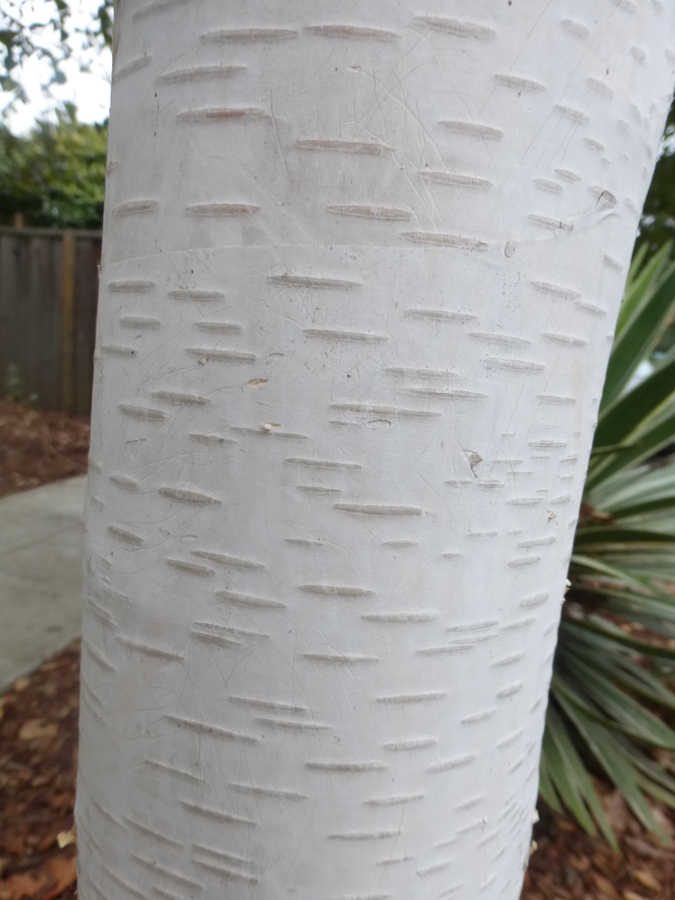
Betula utilis, the Himalayan birch or bhojpatra (from Sanskrit: भूर्ज bhūrjá), is a deciduous tree native to the Western Himalayas, growing at elevations up to 4,500 m (14,800 ft). The Latin specific epithet utilis means "useful", and refers to the many uses of the different parts of the tree. The white, paper-like bark was used in ancient times as a writing surface for manuscripts of Sanskrit literature. It is still used as paper for the writing of mantras, with the bark placed in an amulet and worn for protection. Selected varieties are used for landscaping throughout the world, even while some areas of its native habitat are being lost due to overuse of the tree for firewood.
Taxonomy
Excerpted from Wikipedia’s “Betula utilis” article, available under the CC BY-SA 4.0 licence.
Gallery (3)
Available in 31 languages
- Français
- Deutsch
- 中文
- Русский
- हिन्दी
- Azerbaijani
- Bahasa Indonesia
- Bangla
- Cebuano
- Danish
- Egyptian Arabic
- Esperanto
- Finnish
- Hungarian
- Icelandic
- Kannada
- Kashmiri
- Komi-Permyak
Show 12 more
via Wikidata sitelinks · CC0