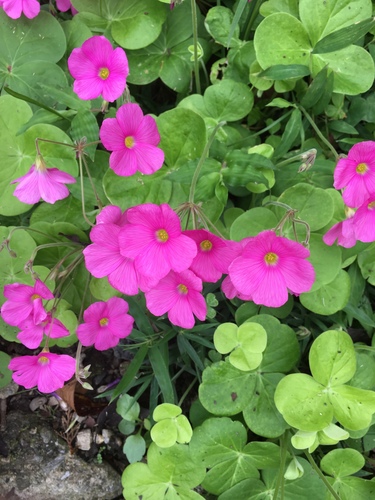
(c) Mark Hostetler, all rights reserved, uploaded by Mark Hostetler
Bowiea
Sign in to saveBowiea, commonly known as climbing-onion, is a genus of bulbous, perennial, succulent plants which thrive in dry and desert regions of eastern and southern Africa, ranging from Uganda to South Africa. It is native to a region stretching from Kenya to Cape Province. It is the 14th most commonly sold medicinal plant in South Africa, used to treat various health conditions. Due to massive harvesting, populations of this plant have been significantly reduced. Because of its high content of potent cardiac glycosides, it is highly poisonous, and deaths of humans and other animals after ingestion are
Species
Bowie's woodsorrel
GENUS
- KingdomPlantae
- PhylumTracheophyta
- ClassLiliopsida
- OrderAsparagales
- FamilyAsparagaceae
via GBIF · Kew POWO
Museum specimens
- Specimen records
- 7
- With media
- 5
- Family
- Asparagaceae
- Collections
- NHMUK, O, BRIT, YPM, UF
- Recorded in
- Kenya, United States
Wikidata facts
- Instance of
- taxon
- Image
- Bowiea volubilis BotGardBln1105HabitusF.JPG
Show 7 more facts
- Commons category
- Bowiea volubilis
- taxon name
- Bowiea
- taxon rank
- genus
- topic's main category
- Category:Bowiea volubilis
- has fruit type
- capsule
- taxon common name
- 苍角殿属
Sources (1)
via Wikidata · CC0
~13 min read
Encyclopedic overview
27 sectionsContents
- Geographical range
- Description
- Habit
- Stem
- Leaves
- Flowers
- Fruits
- Similar species
- Biology and ecology
- Habitat and development
- Phytochemical characteristics
- Genetics
- Species
- Taxonomic position
- Species division
- Nomenclatural type
- Threats and preservation
- Uses
- Medicinal
- Ornamental
- Magical
- Cultivation
- Requirements
- Propagation
- Pests
- References
- External links
Bowiea, commonly known as climbing-onion, is a genus of bulbous, perennial, succulent plants which thrive in dry and desert regions of eastern and southern Africa, ranging from Uganda to South Africa. It is native to a region stretching from Kenya to Cape Province. It is the 14th most commonly sold medicinal plant in South Africa, used to treat various health conditions. Due to massive harvesting, populations of this plant have been significantly reduced. Because of its high content of potent cardiac glycosides, it is highly poisonous, and deaths of humans and other animals after ingestion are attributed to cardiac arrest. Due to its unique appearance, it is cultivated as a houseplant.
The genus contains a single species, Bowiea volubilis, named after the nineteenth-century British plant collector at Kew, James Bowie. The specific epithet means twisting or winding in Latin.
Excerpted from Wikipedia’s “Bowiea” article, available under the CC BY-SA 4.0 licence.