Bryobium · Kew POWO · Kew Plants of the World Online
Bryobium
Sign in to saveAlso known as urchin orchids, Notheria
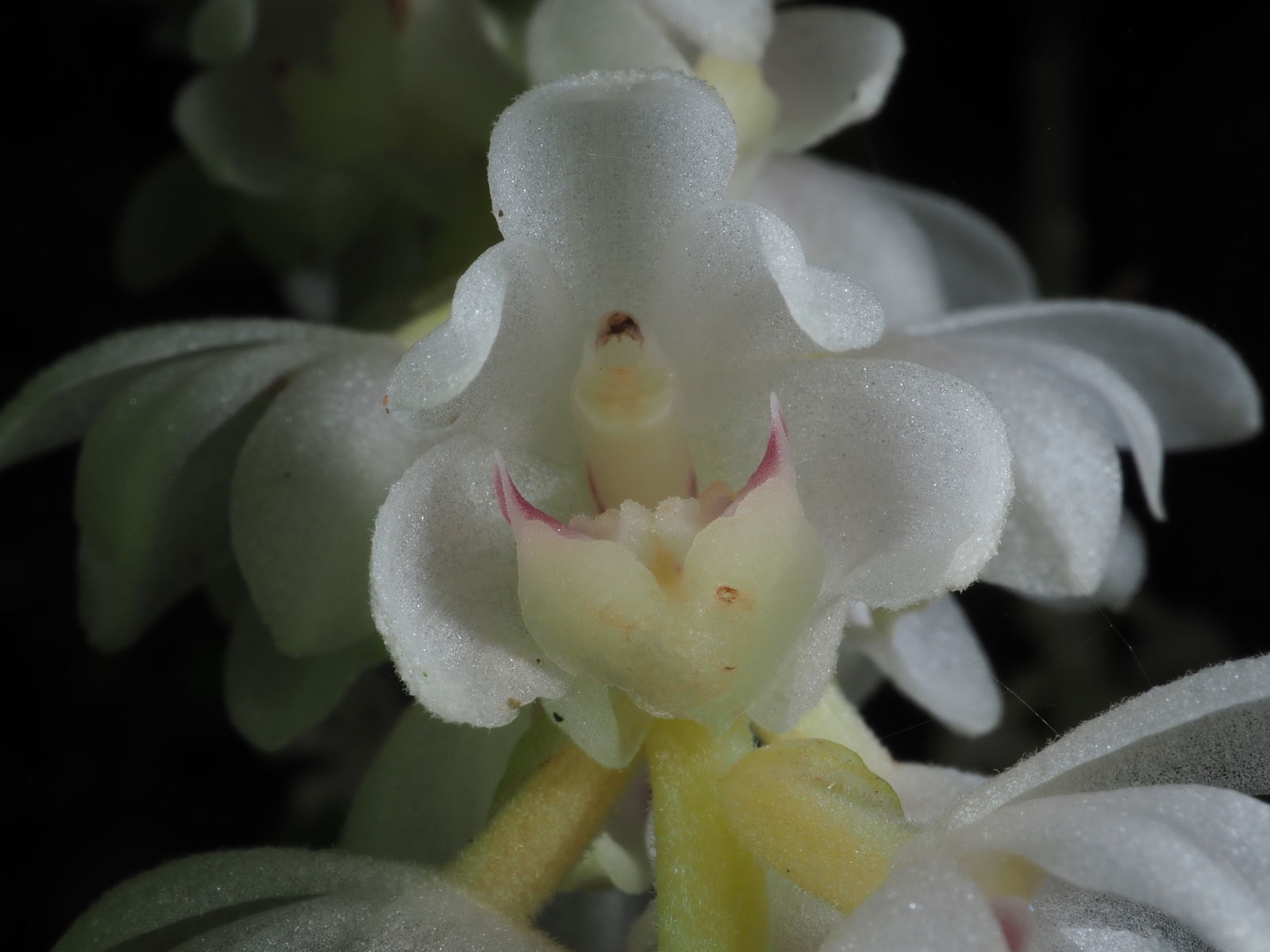
Bryobium, commonly known as urchin orchids or 藓兰属 (xian lan shu), is a genus of flowering plants in the family Orchidaceae. Orchids in this genus are epiphytic or lithophytic plants with large, fleshy pseudobulbs, each with up to three leathery leaves and small, often hairy flowers. These orchids are found from tropical Asia to northern Australia.
Species
GENUS
- KingdomPlantae
- PhylumTracheophyta
- ClassLiliopsida
- OrderAsparagales
- FamilyOrchidaceae
via GBIF · Kew POWO
Wikidata facts
- Instance of
- taxon
- Parent taxon
- Podochileae
- Image
- Bryobium hyacinthoides.jpg
Show 7 more facts
- taxon rank
- genus
- taxon name
- Bryobium
- topic's main category
- Category:Bryobium
- Commons category
- Bryobium
- Commons gallery
- Bryobium
- taxon common name
- 藓兰属
Sources (1)
via Wikidata · CC0
~3 min read
Encyclopedic overview
5 sectionsContents
- Description
- Taxonomy and naming
- Species list
- Distribution and habitat
- References
Bryobium, commonly known as urchin orchids or 藓兰属 (xian lan shu), is a genus of flowering plants in the family Orchidaceae. Orchids in this genus are epiphytic or lithophytic plants with large, fleshy pseudobulbs, each with up to three leathery leaves and small, often hairy flowers. These orchids are found from tropical Asia to northern Australia.
==Description== Orchids in the genus are epiphytic or lithophytic herbs with thread-like roots and relatively large, fleshy pseudobulbs that are usually covered by papery bracts when young. Each pseudobulb has up to three flat, usually leathery leaves. The flowers are usually white, cream-coloured or pinkish, do not open widely and last for up to a few days. The dorsal sepal is free but the lateral sepals are fused to the base of the column. The petals are free from each other and usually smaller than the sepals. The labellum often has three lobes, in which case the side lobes are erect.
Excerpted from Wikipedia’s “Bryobium” article, available under the CC BY-SA 4.0 licence.