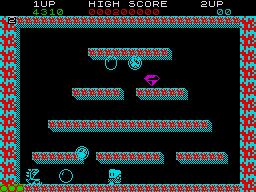
Bubble Bobble (1986) · RAWG · Courtesy of RAWG
Game data
- Released
- 1986-01-01
- User rating
- 4.23 / 5
- Platforms
- PC, PlayStation 4, Nintendo 3DS, Wii U, Wii, Game Boy Advance, Game Boy, NES, Apple II, Commodore / Amiga, Atari ST, SEGA Master System, Game Gear
via RAWG
Game details · IGDB
Bub and Bob are once again transformed into bubble dragons and have to climb up the Rainbow Tower to fight the Super Dark Great Dragon, while collecting potions to turn back into human form. Bubble Memories does very little to change the gameplay of the series, except for introducing giant enemies on some levels, different bosses, and a way to blow giant bubbles after charging up (especially for killing the giant enemies). (Giant bubbles can be blown by charging up the character. The bubble button is held until the character's horns begin flashing, and then releasing the button.) There are…
- Released
- 1994
- Genres
- Platform
- Platforms
- Arcade, Sega Saturn, Nintendo Switch
- Game modes
- Single player, Multiplayer
- Franchise
- Bubble Bobble
- Developer
- Taito
- Publisher
- Ving Co., Ltd., Taito
Wikidata facts
- Instance of
- video game
- Genre
- platform game
- Country of origin
- Japan
- Followed by
- Bubble Memories
- Follows
- Bubble Bobble
- Performer
- Pony Canyon
- Developer
- Taito
- Platform
- arcade video game machine
- Game mode
- co-op mode
Show 1 more fact
- publication date
- 1994-01-01
via Wikidata · CC0
Article · Italiano
Bubble Bobble II, noto anche come Bubble Symphony (バブルシンフォニー Baburu Shinfonī?), è il primo seguito "ufficiale" del celebre platform game Bubble Bobble, nel senso che personaggi, ambientazioni e gameplay si rifanno direttamente ad esso, ma in realtà è il quarto gioco della serie, dopo Rainbow Islands e Parasol Stars. Il gioco è gremito di numerosissimi omaggi e citazioni ad altri famosi giochi della Taito, talora omaggiati con l'apparizione dei loro protagonisti a mo' di "guest star".
Abstract from DBpedia / Wikipedia · CC BY-SA