Bystropogon · Kew POWO · Kew Plants of the World Online
Bystropogon
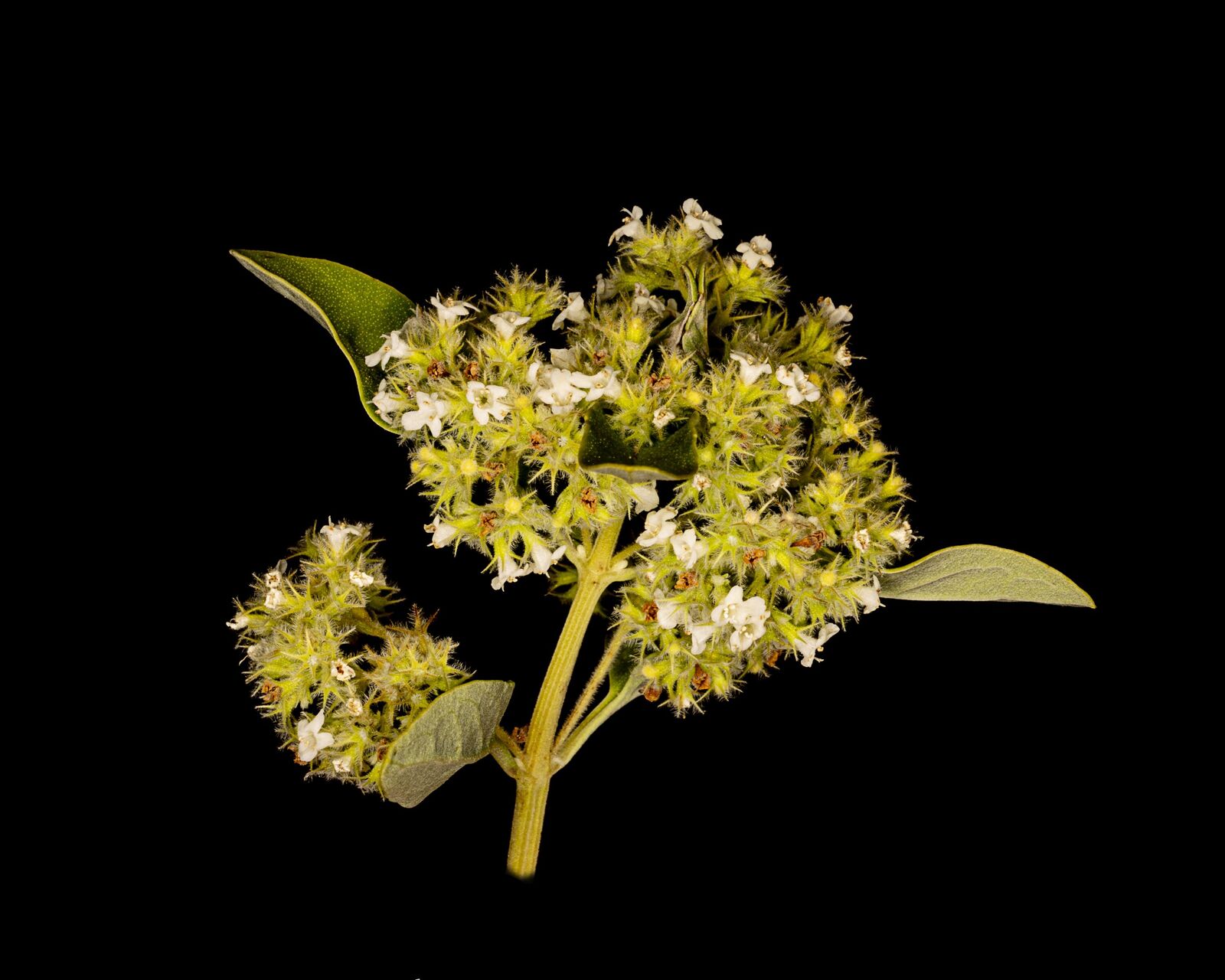
Sign in to saveBystropogon is a genus of evergreen shrubs in the family Lamiaceae. It is native to the Canary Islands and Madeira in the eastern Atlantic Ocean. Allied to Ziziphora and Clinopodium acinos, the genus is characterized by tiny flowers in much-branched clusters, with plume-like sepals that elongate at the fruiting stage, giving the whole tip of each branch a fuzzy appearance. Stems are square in cross-section and leaves, arranged in opposite pairs, are aromatic when crushed.
Species
GENUS
- KingdomPlantae
- PhylumTracheophyta
- ClassMagnoliopsida
- OrderLamiales
- FamilyLamiaceae
General: Serna (1984) recognized two sections: Sect. Bystropogon
via GBIF · Kew POWO
Museum specimens
- Specimen records
- 95
- With media
- 84
- Family
- Lamiaceae
- Collections
- MO, RSA, GH, F, O, NY
- Recorded in
- Ecuador, Spain, Portugal, Bolivia, Canary Islands, Argentina, Canaries, Canary Islands (Spain)
Wikidata facts
Show 5 more facts
- Commons category
- Bystropogon
- taxon name
- Bystropogon
- taxon rank
- genus
- topic's main category
- Category:Bystropogon
Sources (1)
via Wikidata · CC0
~2 min read
Encyclopedic overview
2 sectionsContents
- Species
- References
Bystropogon is a genus of evergreen shrubs in the family Lamiaceae. It is native to the Canary Islands and Madeira in the eastern Atlantic Ocean. Allied to Ziziphora and Clinopodium acinos, the genus is characterized by tiny flowers in much-branched clusters, with plume-like sepals that elongate at the fruiting stage, giving the whole tip of each branch a fuzzy appearance. Stems are square in cross-section and leaves, arranged in opposite pairs, are aromatic when crushed.
Cultivation The plant prefers mild and dry climates. Grow in very well-drained soil in sunny position. Propagate from seed or cuttings.
Excerpted from Wikipedia’s “Bystropogon” article, available under the CC BY-SA 4.0 licence.