Zouhri, Samir;Gingerich, Philip D.;Khalloufi, Bouziane;Bourdon, Estelle;Adnet, Sylvain;Jouve, Stéphane;Elboudali, Najia;Amane, Ayoub;Rage, Jean-Claude;Tabuce, Rodolphe
Carcharhinus
Sign in to saveCarcharhinus is the type genus of the family Carcharhinidae, the requiem sharks. One of 10 genera in its family, it contains over half of the species therein. It contains 36-38 extant and eight extinct species to date, with likely more species yet to be described.
Species
メジロザメ属
GENUS
- KingdomAnimalia
- PhylumChordata
- ClassElasmobranchii
- OrderCarcharhiniformes
- FamilyCarcharhinidae
Carcharhinus est un genre de requins de la famille des Carcharhinidae. Il compte une trentaine d'espèces de requins au corps fuselé et mesurant entre un et 4 mètres de long. Leur première nageoire dorsale est plus grande que la seconde et les nageoires pectorales sont bien développées. La nageoire caudale a un lobe supérieure plus grand que le lobe inférieur. Ces requins sont vivipares, et ils se nourrissent principalement de poissons osseux et quelquefois de crustacés et de céphalopodes, voire d'autres petits requins ou de sources de nourriture plus diverses.
via GBIF
Museum specimens
- Specimen records
- 12,807
- With media
- 136
- Family
- Carcharhinidae
- Collections
- SDNHM, CM, USNM
- Recorded in
- United States, France
Wikidata facts
- Instance of
- taxon
- Parent taxon
- Carcharhinidae
- Image
- Grey reef shark.jpg
Show 5 more facts
- Commons category
- Carcharhinus
- taxon rank
- genus
- taxon name
- Carcharhinus
- topic's main category
- Category:Carcharhinus
- start time
- 42000000-0
Sources (3)
via Wikidata · CC0
~13 min read
Encyclopedic overview
6 sectionsContents
- Species
- Extant
- Fossil
- See also
- References
- Bibliography
Carcharhinus is the type genus of the family Carcharhinidae, the requiem sharks. One of 10 genera in its family, it contains over half of the species therein. It contains 36-38 extant and eight extinct species to date, with likely more species yet to be described.
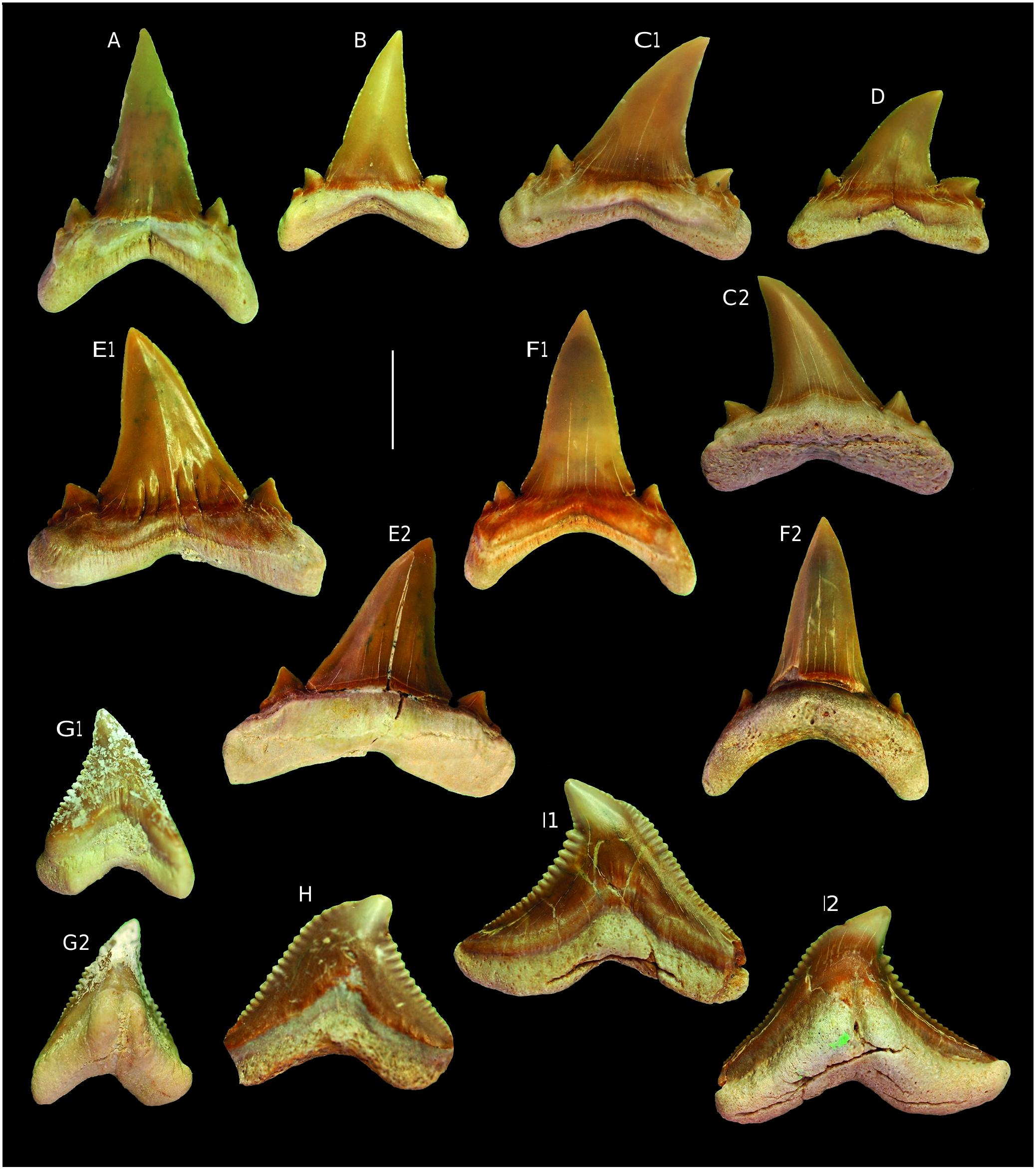
== Species == Fossil teeth suggest that a majority of extant species in Carcharhinus already evolved by the Early Miocene, and these species start appearing in the fossil record starting from this time. Fossil Carcharhinus teeth tend to be highly species-specific in morphology, but are highly variable both within and among species, and even within the jaw, and thus require careful study to assign to their respective species.
Excerpted from Wikipedia’s “Carcharhinus” article, available under the CC BY-SA 4.0 licence.