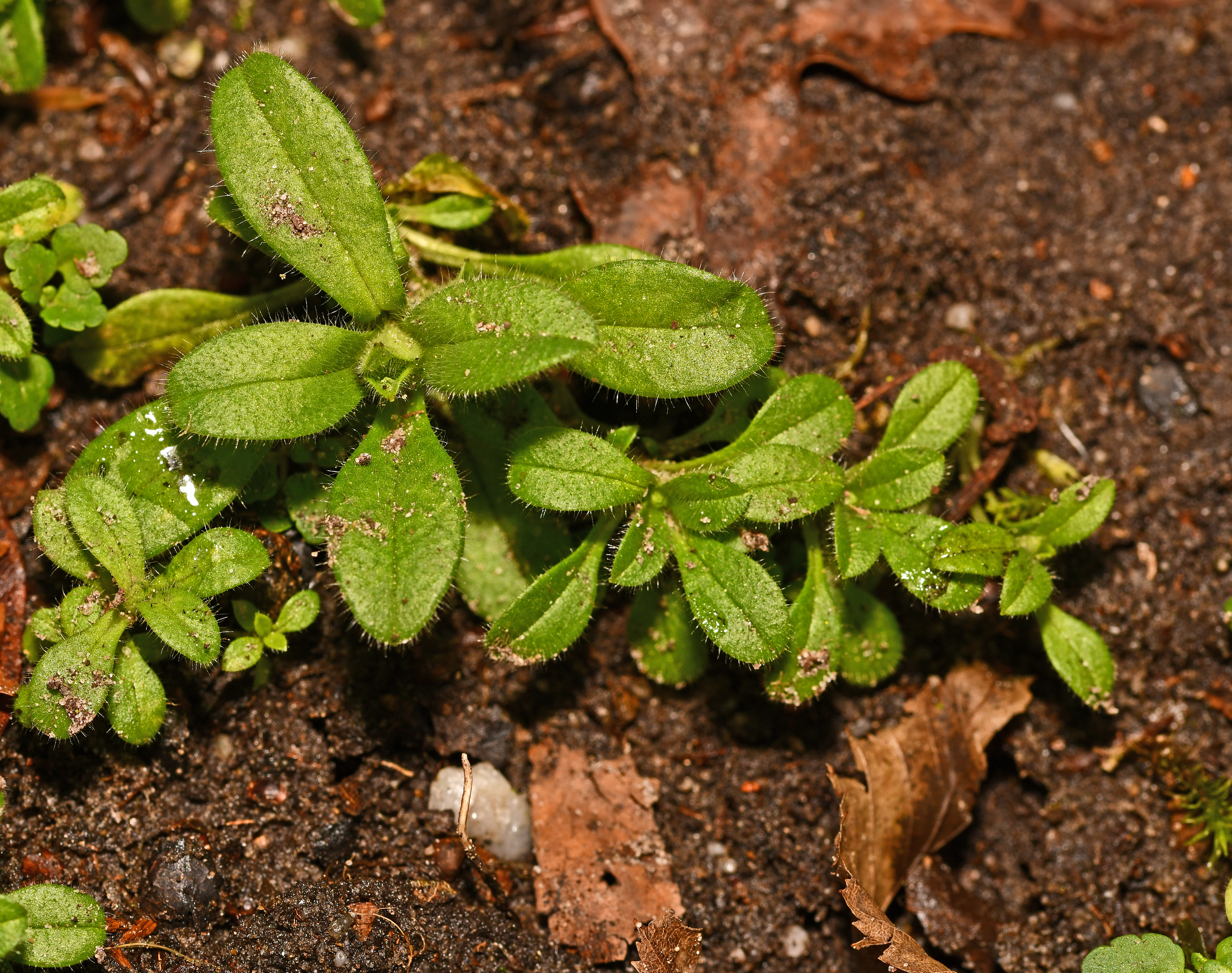
Image from GBIF · CC BY
Cerastium glomeratum
Sign in to saveAlso known as Sticky Chickweed, clammy chickweed, sticky mouse-ear chickweed
species of plant
Species
mouse-ear chickweed
SPECIES
- KingdomPlantae
- PhylumTracheophyta
- ClassMagnoliopsida
- OrderCaryophyllales
- FamilyCaryophyllaceae
二名法 Cerastium glomeratumThuill. 球序卷耳(学名:Cerastium glomeratum)为石竹科卷耳属的植物。分布在全世界各地以及中国大陆的山东、湖南、西藏、云南、江西、江苏、福建、湖北、浙江等地,生长于海拔1,200米至3,000米的地区,常生于山坡草地,目前尚未由人工引种栽培。 别名 婆婆指甲菜(植物名实图考) 圆序卷耳(西藏植物志) 异名 Cerastium glomeratum Thuill. var. brachycarpum L. H. Zhou et Q. Zh. Han Cerastium viscosum L. 参考文献 昆明植物研究所. 球序卷耳. 《中国高等植物数据库全库》. 中国科学院微生物研究所. [2009-02-22]. (原始内容存档于2016-03-05). 这是一篇與植物相關的小作品。你可以通过编辑或修订扩充其内容。 查 论 编 取自“https://zh.wikipedia.org/w/index.php?title=球序卷耳&oldid=48886550” 分类:卷耳属 隐藏分类: TaxoboxLatinName 本地相关图片与维基数据相同 含有拉丁語的條目 全部小作品 植物小作品
via GBIF · Kew POWO
Museum specimens
- Specimen records
- 10,437
- With media
- 7,202
- Family
- Caryophyllaceae
- Collections
- INECOL, ENCB-IPN, FC-UNAM, SEMAHN, CHSC
- Recorded in
- Mexico, United States
Wikidata facts
- Instance of
- taxon
- Parent taxon
- Cerastium
- Image
- (MHNT) Cerastium glomeratum - habitus.jpg
- Has use
- medicinal plant
Show 10 more facts
- taxon rank
- species
- taxon name
- Cerastium glomeratum
- Commons category
- Cerastium glomeratum
- taxon common name
- klobčasta smiljka
- Commons gallery
- Cerastium glomeratum
- invasive to
- Indonesia
- taxon range
- Zhoushan Archipelago
- short name
- C. glomeratum
- taxon author citation
- Thuill.
Sources (3)
via Wikidata · CC0
~3 min read
Encyclopedic overview
Cerastium glomeratum is a species of flowering plant in the family Caryophyllaceae known by the common names sticky mouse-ear chickweed and clammy chickweed. It is native to Europe, Macaronesia to Assam but is known on most continents as an introduced species. It grows in many types of habitat. The blooming period is February, March, April, and May.
Description
Excerpted from Wikipedia’s “Cerastium glomeratum” article, available under the CC BY-SA 4.0 licence.