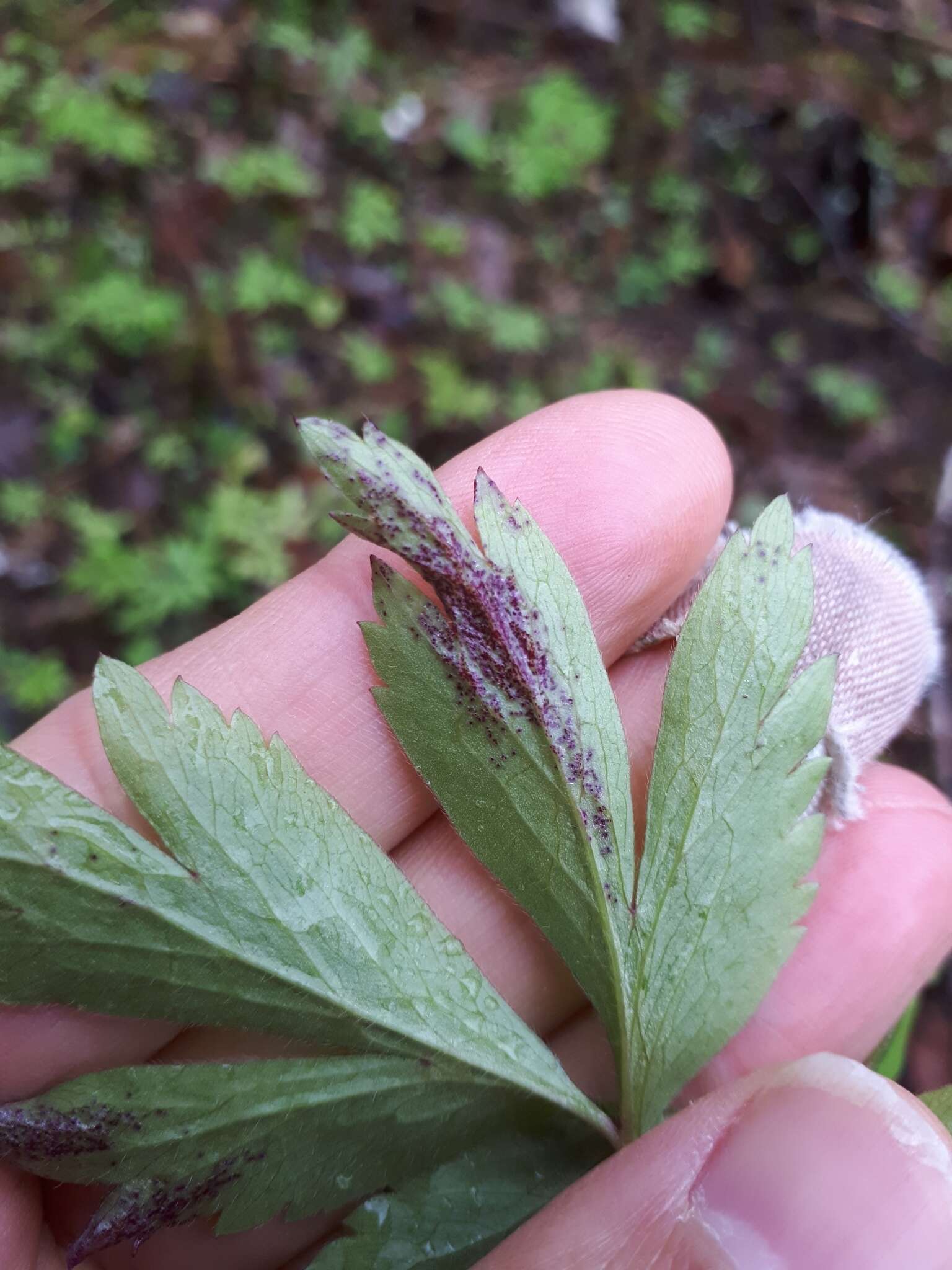
Encyclopedia of Life · EOL (see source)
Chytridiales
Sign in to saveFungi of the order Chytridiales, like other members of its division, may either have a monocentric thallus or a polycentric rhizomycelium. When the ribosomal genes of members classified in this order were first examined using molecular techniques, it was discovered that the order contained some species that were not related. With the culture and characterization of Chytridium olla, the type species of this order, the limits of the Chytridiales were established. The Chytridiales is now monophyletic and species such as Polychytrium aggregatum, Chytriomyces angularis and Cladochytrium replicatum
Species
ORDER
- KingdomFungi
- PhylumChytridiomycota
- ClassChytridiomycetes
- OrderChytridiales
壺菌目(Chytridiales)是壺菌綱下的一目真菌。它們可以是單心的葉狀體或多中心的假根。它們可能不是單系群,因為多壺菌屬及壺菌屬下的Chytriomyces angularis,並這些屬的近親可能不是屬於此目。
via GBIF
Wikidata facts
- Instance of
- taxon
- Parent taxon
- Chytridiomycetes
- Image
- Synchytridium endobioticum.jpg
Show 4 more facts
- taxon name
- Chytridiales
- taxon rank
- order
- topic's main category
- Category:Chytridiales
- Commons category
- Chytridiales
via Wikidata · CC0
~1 min read
Encyclopedic overview
2 sectionsContents
- Genera ''incertae sedis''
- References
Fungi of the order Chytridiales, like other members of its division, may either have a monocentric thallus or a polycentric rhizomycelium. When the ribosomal genes of members classified in this order were first examined using molecular techniques, it was discovered that the order contained some species that were not related. With the culture and characterization of Chytridium olla, the type species of this order, the limits of the Chytridiales were established. The Chytridiales is now monophyletic and species such as Polychytrium aggregatum, Chytriomyces angularis and Cladochytrium replicatum have been transferred to other orders.
==Genera incertae sedis== Achlyella Achlyogeton Coralliochytrium Delfinachytrium Pseudorhizidium Dermomycoides Dictyomorpha Ichthyochytrium Mucophilus Myiophagus Plasmophagus Rhizidiocystis Rhizosiphon Sagittospora Septolpidium Sorokinocystis - Sorokinocystis mirabilis Trematophlyctis
Excerpted from Wikipedia’s “Chytridiales” article, available under the CC BY-SA 4.0 licence.
Available in 15 languages
- Español
- Français
- 中文
- Português
- العربية
- Belarusian
- Cebuano
- Egyptian Arabic
- Georgian
- Nederlands
- Serbian
- Svenska
- Waray
- فارسی
via Wikidata sitelinks · CC0