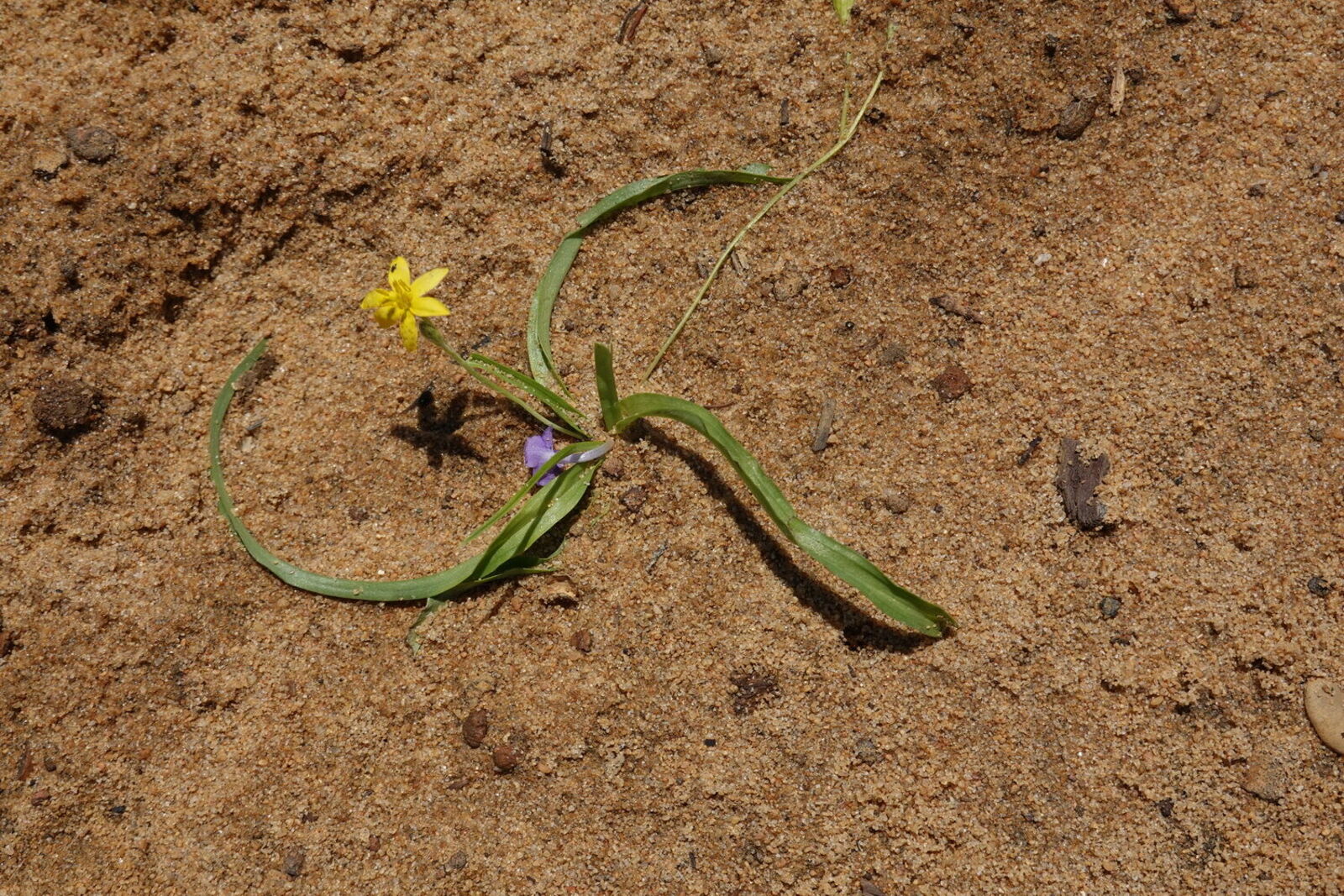
Hypoxidaceae · Kew POWO · Kew Plants of the World Online
Curculigo
Sign in to saveCurculigo is a flowering plant genus in the family Hypoxidaceae, first described in 1788. It is widespread across tropical regions of Asia, Africa, Australia, and the Americas.
Species
GENUS
- KingdomPlantae
- PhylumTracheophyta
- ClassLiliopsida
- OrderAsparagales
- FamilyHypoxidaceae
General: Africa, Hypoxis and Curculigo, are pantropical. Molineria Seed: strophiole(Curculigo), dark brown or black Flower: (the perianth tube in Curculigo) Appearance: fruit, and Curculigo by the subterranean ovary and fleshy Fruit: Fruits indehiscent ( Curculigo and Molineria) or dehiscent
via GBIF · Kew POWO
Museum specimens
- Specimen records
- 388
- With media
- 327
- Family
- Hypoxidaceae
- Collections
- US, A, NY, GH
- Recorded in
- Indonesia, Sri Lanka, Mexico, Malaysia, China, Brazil, United States, Philippines
Research
205 papers- Medicinal plants of genus Curculigo: traditional uses and a phytochemical and ethnopharmacological review.Journal of ethnopharmacology · 2013
- Curculigo orchioides: the black gold with numerous health benefits.Zhong xi yi jie he xue bao = Journal of Chinese integrative medicine · 2010
- Phytochemistry and Pharmacological Activity of Plants of Genus Curculigo: An Updated Review Since 2013.Molecules (Basel, Switzerland) · 2021
- Curculigo orchioides polysaccharide COP70-1 stimulates osteogenic differentiation of MC3T3-E1 cells by activating the BMP and Wnt signaling pathways.International journal of biological macromolecules · 2023
- Epimedium-Curculigo herb pair enhances bone repair with infected bone defects and regulates osteoblasts through LncRNA MALAT1/miR-34a-5p/SMAD2 axis.Journal of cellular and molecular medicine · 2024
via PubMed
Wikidata facts
- Instance of
- taxon
- Parent taxon
- Hypoxidaceae
- Image
- Curculigo orchioides.jpg
Show 6 more facts
- Commons category
- Curculigo
- taxon name
- Curculigo
- taxon rank
- genus
- topic's main category
- Category:Curculigo
- taxon common name
- 仙茅属
Sources (2)
via Wikidata · CC0
~2 min read
Encyclopedic overview
3 sectionsContents
- Species
- References
- External links
Curculigo is a flowering plant genus in the family Hypoxidaceae, first described in 1788. It is widespread across tropical regions of Asia, Africa, Australia, and the Americas.
Curculin is a sweet protein that was discovered and isolated in 1990 from the fruit of Curculigo latifolia, a plant from Malaysia. Like miraculin, curculin exhibits taste-modifying activity; however, unlike miraculin, it also exhibits a sweet taste by itself. After consumption of curculin, water and sour solutions taste sweet. The plant is referred to locally as or ; English: 'weevil-wort'.
Excerpted from Wikipedia’s “Curculigo” article, available under the CC BY-SA 4.0 licence.
Gallery (2)
Available in 14 languages
via Wikidata sitelinks · CC0