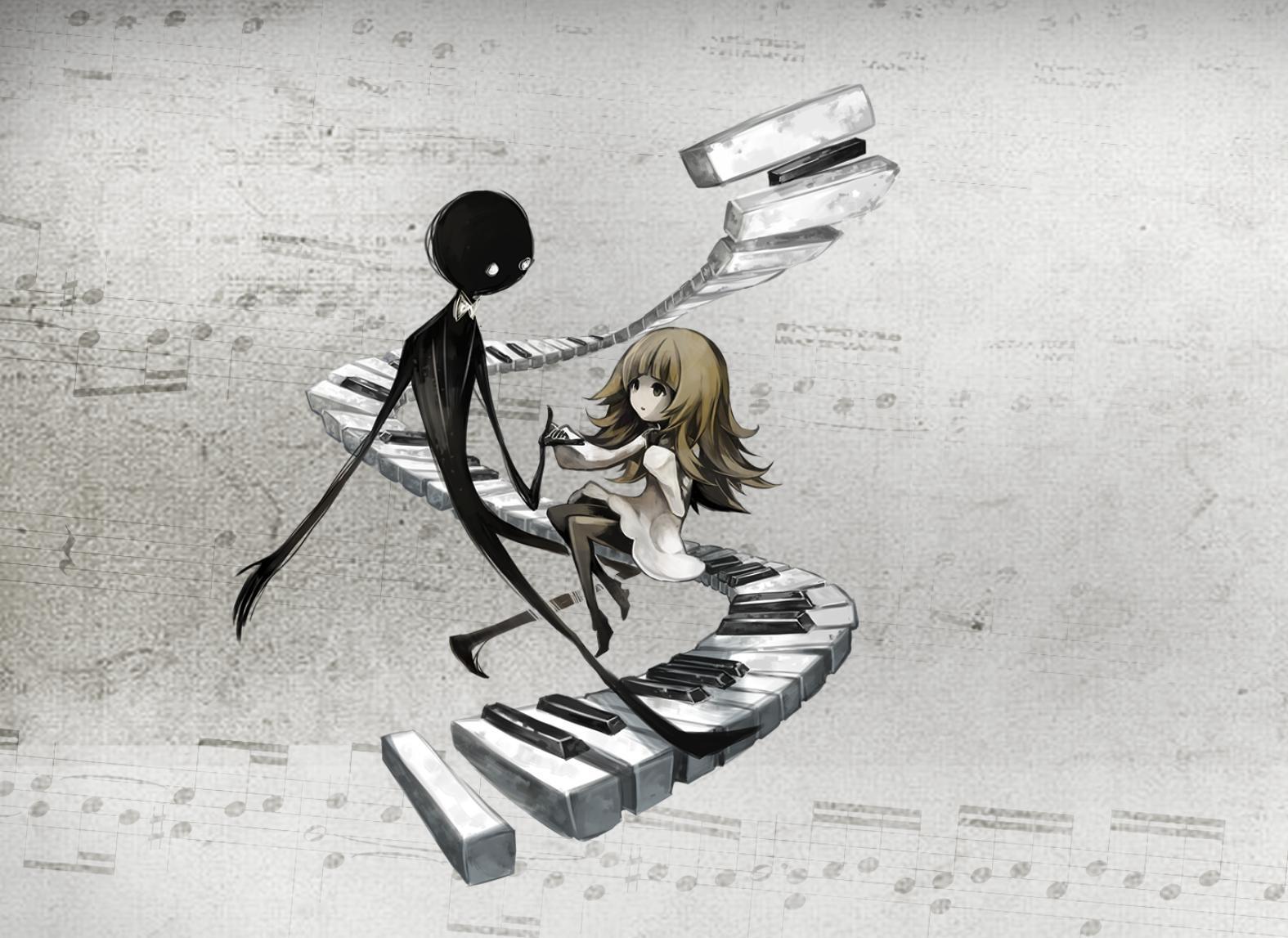
Deemo · RAWG · Courtesy of RAWG
Deemo
Sign in to saveDeemo is a rhythm video game developed by Taiwanese game developer Rayark. The game was released on iOS and Android mobile platforms on 13 November 2013. An enhanced port for the PlayStation Vita, titled , first announced late 2014, was released in June 2015. A Nintendo Switch port was released worldwide in September 2017. A remake of the entire game in 3D, titled Deemo -REBORN-, was announced in October 2017 for PlayStation 4 with PlayStation VR compatibility, and was released on 21 November 2019. A PC port was released on 4 September 2020, and a mobile port for Android and iOS was announced
Game data
- Released
- 2013-11-13
- User rating
- 4.41 / 5
- Genres
- Adventure
- Platforms
- Nintendo Switch, iOS, Android
via RAWG
Game details · IGDB
Rayark brings you Deemo, a hybrid of music rhythm game and the story of urban fantasy, with hand-drawn art, story-telling gallery and real instrumental feedback of piano key sound. Deemo is a mystic character lives in solitude, a castle, all by itself. A little girl falls from the sky, not knowing who she is, where she comes from. To help the little girl back to her world, Deemo comes to realize a tree keeps growing tall on top of the piano whenever it plays. What would Deemo do when it gets comfortable with the companionship it never had before? What if the little girl couldn't deal with …
- Released
- 2013
- Genres
- Music, Adventure
- Platforms
- Android, iOS, PlayStation Vita, Nintendo Switch
- Game modes
- Single player
- Franchise
- Deemo
- Developer
- Rayark
- Publisher
- PM Studios, Flyhigh Works
Wikidata facts
- Instance of
- video game
- Genre
- rhythm game
- Country of origin
- Taiwan
- Platform
- PlayStation Vita
- Game mode
- single-player video game
- Game engine
- Unity
- Official website
- www.rayark.com/g/deemo
Show 5 more facts
- publication date
- 2013-00-00
- distributed by
- App Store
- operating system
- iOS
- input device
- touchscreen
- derivative work
- Deemo: Memorial Keys
Sources (8)
via Wikidata · CC0
~11 min read
Encyclopedic overview
10 sectionsContents
- Gameplay
- Playable songs
- Plot
- Release
- Reception
- Media
- Theatrical film
- Manga
- External links
- References
Deemo is a rhythm video game developed by Taiwanese game developer Rayark. The game was released on iOS and Android mobile platforms on 13 November 2013. An enhanced port for the PlayStation Vita, titled , first announced late 2014, was released in June 2015. A Nintendo Switch port was released worldwide in September 2017. A remake of the entire game in 3D, titled Deemo -REBORN-, was announced in October 2017 for PlayStation 4 with PlayStation VR compatibility, and was released on 21 November 2019. A PC port was released on 4 September 2020, and a mobile port for Android and iOS was announced on 23 November 2020. On 13 January 2022, Rayark announced the release of its sequel Deemo II.
==Gameplay== The core gameplay of Deemo is a score-based music video game. Each playable song features three main levels, namely Easy, Normal, Hard, each given a difficulty rating measured in a 'Level' scale. The levels were originally being ranged between 1 and 10, however the introduction of the Level 11 song Myosotis in the 2.0 version and the Level 12 song Marigold in the 3.0 version, marks the extension of the levels range, now being ranged from 1 to 12. A few selected songs also have an unlockable "Expert" difficulty which may have letters in place of the level number. The player can also customize the speed of the notes before starting a level, in a scale of 0.5 (slowest) to 9.5 (fastest). Songs can also be "autoplayed" (in the Chart Mode), which plays the song automatically but disqualifies any scores and limiting tree growth.
Excerpted from Wikipedia’s “Deemo” article, available under the CC BY-SA 4.0 licence.