Dienia · Kew POWO · Kew Plants of the World Online
Dienia
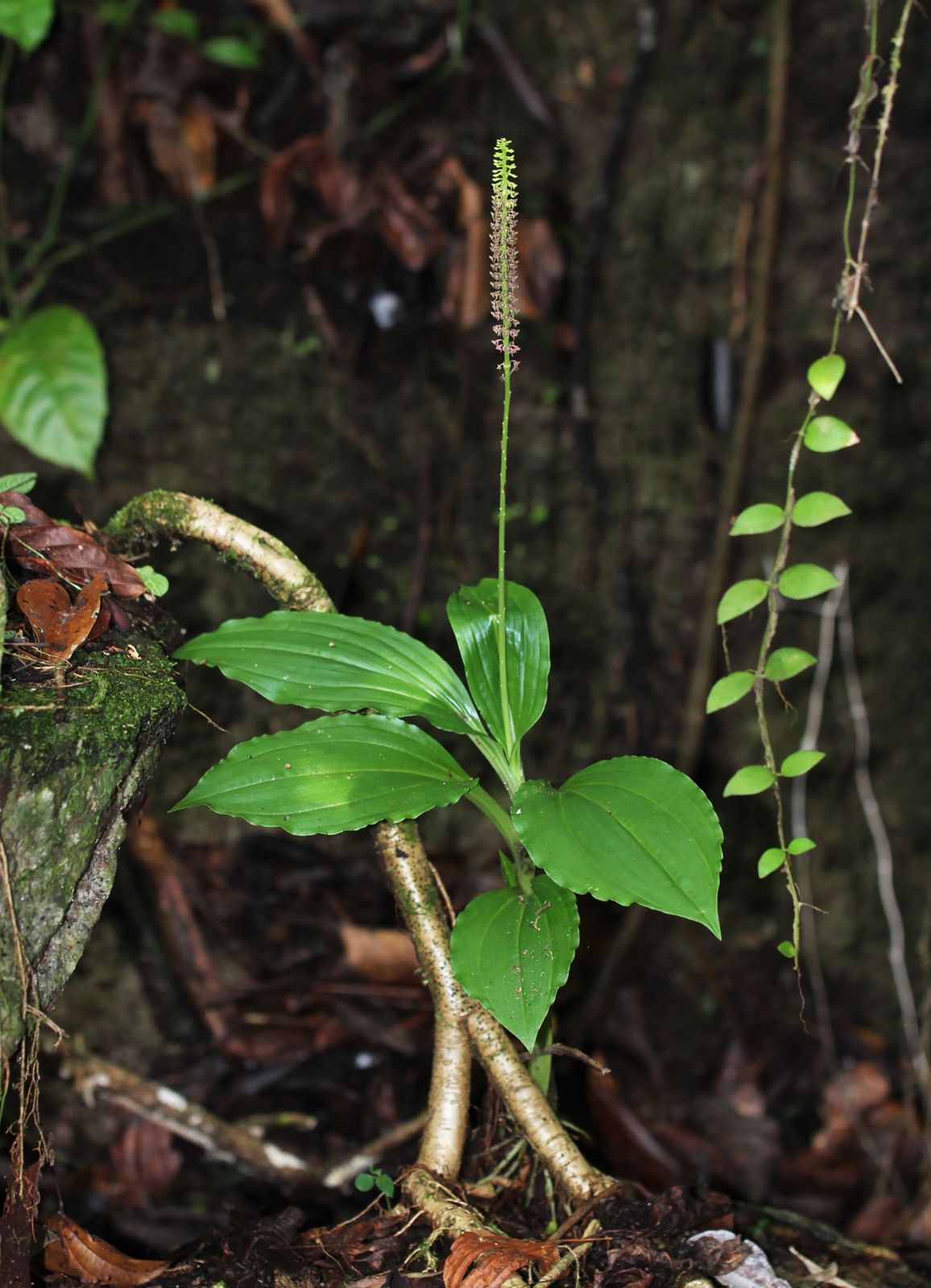
Sign in to saveDienia, commonly called snout orchids, is a genus of six species of orchids in the family Orchidaceae. Plants in this genus are evergreen, mostly terrestrial plants with a fleshy, above ground stem, large, pleated leaves and small, non-resupinate flowers with thin sepals and petals. The labellum is short and tongue-like. The genus is distributed in Southeast Asia, Australia, Micronesia and Melanesia.
Species
GENUS
- KingdomPlantae
- PhylumTracheophyta
- ClassLiliopsida
- OrderAsparagales
- FamilyOrchidaceae
via GBIF · Kew POWO
Wikidata facts
- Image
- Crepidium ophridis.jpeg
Show 5 more facts
- taxon name
- Dienia
- Commons gallery
- Dienia
- Commons category
- Dienia
- taxon common name
- 无耳沼兰属
Sources (1)
via Wikidata · CC0
~2 min read
Article
5 sectionsContents
- Description
- Taxonomy and naming
- List of species
- Distribution
- References
Dienia, commonly called snout orchids, is a genus of six species of orchids in the family Orchidaceae. Plants in this genus are evergreen, mostly terrestrial plants with a fleshy, above ground stem, large, pleated leaves and small, non-resupinate flowers with thin sepals and petals. The labellum is short and tongue-like. The genus is distributed in Southeast Asia, Australia, Micronesia and Melanesia.
==Description== Orchids in the genus Dienia are evergreen, sympodial, mostly terrestrial plants with fleshy, above-ground stems, although a few species are epiphytes. There are between three and six relatively large, thin, pleated leaves with their petioles wrapped around the stem. Small, non-resupinate flowers are borne along the end of the flowering stem. The flowers are green, brown, yellow, pink, or purple and have narrow sepals and petals. The sepals are oblong to egg-shaped and spread widely and the petals are usually narrower than the sepals. The labellum is relatively short with three lobes, the middle lobe tongue-like and the side lobes shorter and broad.
Available in 9 languages
via Wikidata sitelinks · CC0