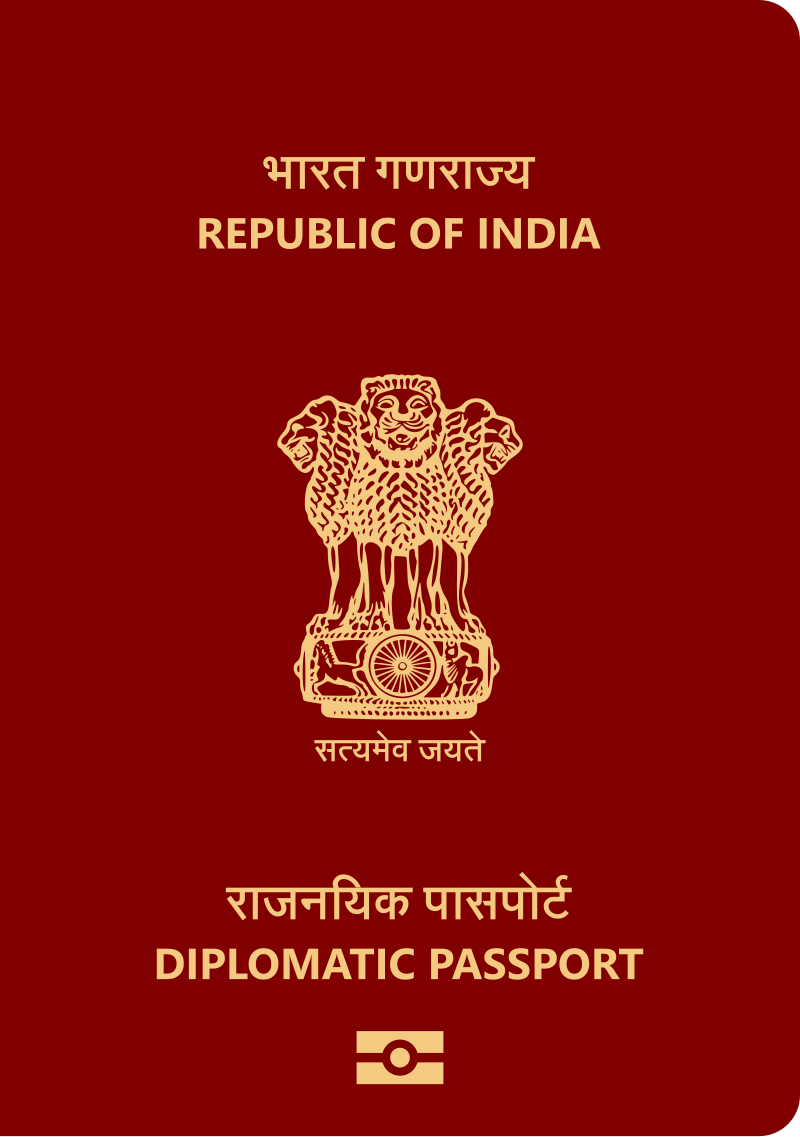
File:Indian_Diplomatic_Passport.svg · Wikimedia Commons · See Wikimedia Commons
diplomatic immunity
Sign in to saveform of legal immunity and a policy held between governments
Wikidata facts
Show 2 more facts
- described by source
- Encyclopædia Britannica 11th edition
- topic's main category
- Category:Diplomatic immunity and protection
Sources (2)
via Wikidata · CC0
~40 min read
Encyclopedic overview
Diplomatic immunity is a principle of international law by which certain foreign government officials are recognized as having legal immunity from the jurisdiction of another country. It allows diplomats safe passage and freedom of travel in a host country, and affords almost total protection from local lawsuits and criminal prosecution.
Diplomatic immunity is one of the oldest and most widespread practices in international relations; most civilizations since antiquity have granted some degree of special status to foreign envoys and messengers. It is designed to facilitate relations between states by allowing their respective representatives to conduct their duties freely and safely, even during periods of political tension and armed conflict. Moreover, such protections are generally understood to be reciprocal and therefore mutually beneficial.
Excerpted from Wikipedia’s “diplomatic immunity” article, available under the CC BY-SA 4.0 licence.