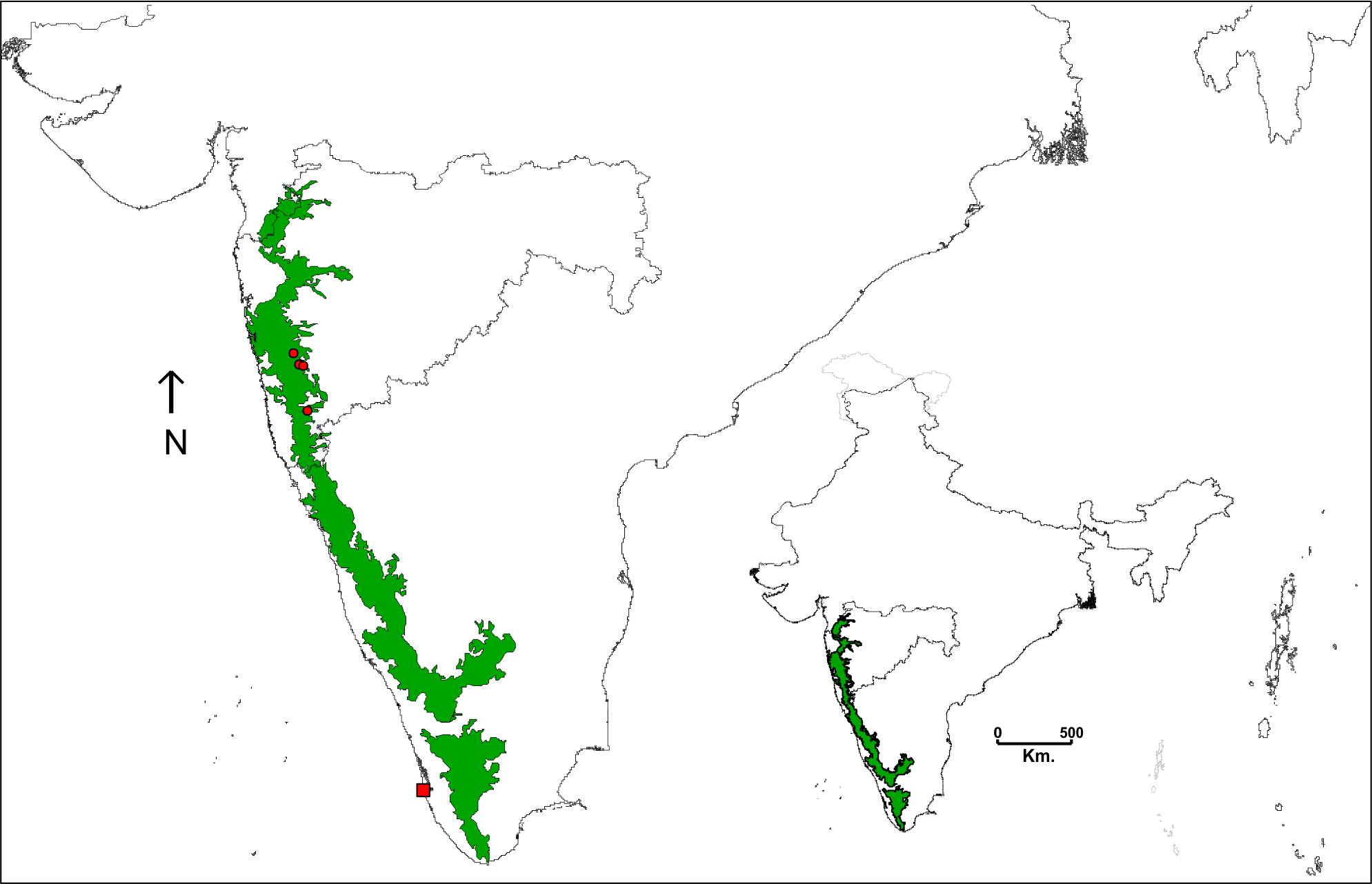
Padhye, Sameer;Rabet, Nicolas;Ghate, Hemant
Diplostraca
Sign in to saveAlso known as Water fleas
The Diplostraca or Cladocera, commonly known as water fleas, is a superorder of small, mostly freshwater crustaceans, most of which feed on microscopic chunks of organic matter, though some forms are predatory.
Species
clam shrimps & waterfleas
ORDER
- KingdomAnimalia
- PhylumArthropoda
- ClassBranchiopoda
- OrderDiplostraca
Los diplostráceos (Diplostraca) son un orden de crustáceos branquiópodos caracterizados por presentar un caparazón de dos valvas, que recuerda a la concha de los bivalvos. Comprende más de 600 especies.
via GBIF
Museum specimens
- Specimen records
- 374
- With media
- 9
- Collections
- NHMUK, ECOSUR
- Recorded in
- United Kingdom, Mexico
Wikidata facts
- Instance of
- taxon
- Parent taxon
- Phyllopoda
- Image
- Daphnia pulex.png
Show 4 more facts
- Commons category
- Diplostraca
- taxon name
- Diplostraca
- taxon rank
- order
- topic's main category
- Category:Diplostraca
Sources (2)
via Wikidata · CC0
~8 min read
Encyclopedic overview
9 sectionsContents
- Description
- Lifecycle
- Evolutionary history
- Ecology
- Taxonomy
- Etymology
- See also
- References
- External links
The Diplostraca or Cladocera, commonly known as water fleas, is a superorder of small, mostly freshwater crustaceans, most of which feed on microscopic chunks of organic matter, though some forms are predatory.
Over 1000 species have been recognised so far, with many more undescribed. The oldest unequivocal fossils of diplostracans date to the Jurassic, though their modern morphology suggests that they originated substantially earlier, during the Paleozoic. Some have also adapted to a life in the ocean, the only members of Branchiopoda to do so, though several anostracans live in hypersaline lakes. Most are long, with a down-turned head with a single median compound eye, and a carapace covering the apparently unsegmented thorax and abdomen. Most species show cyclical parthenogenesis, where asexual reproduction is occasionally supplemented by sexual reproduction, which produces resting eggs that allow the species to survive harsh conditions and disperse to distant habitats.
Excerpted from Wikipedia’s “Diplostraca” article, available under the CC BY-SA 4.0 licence.