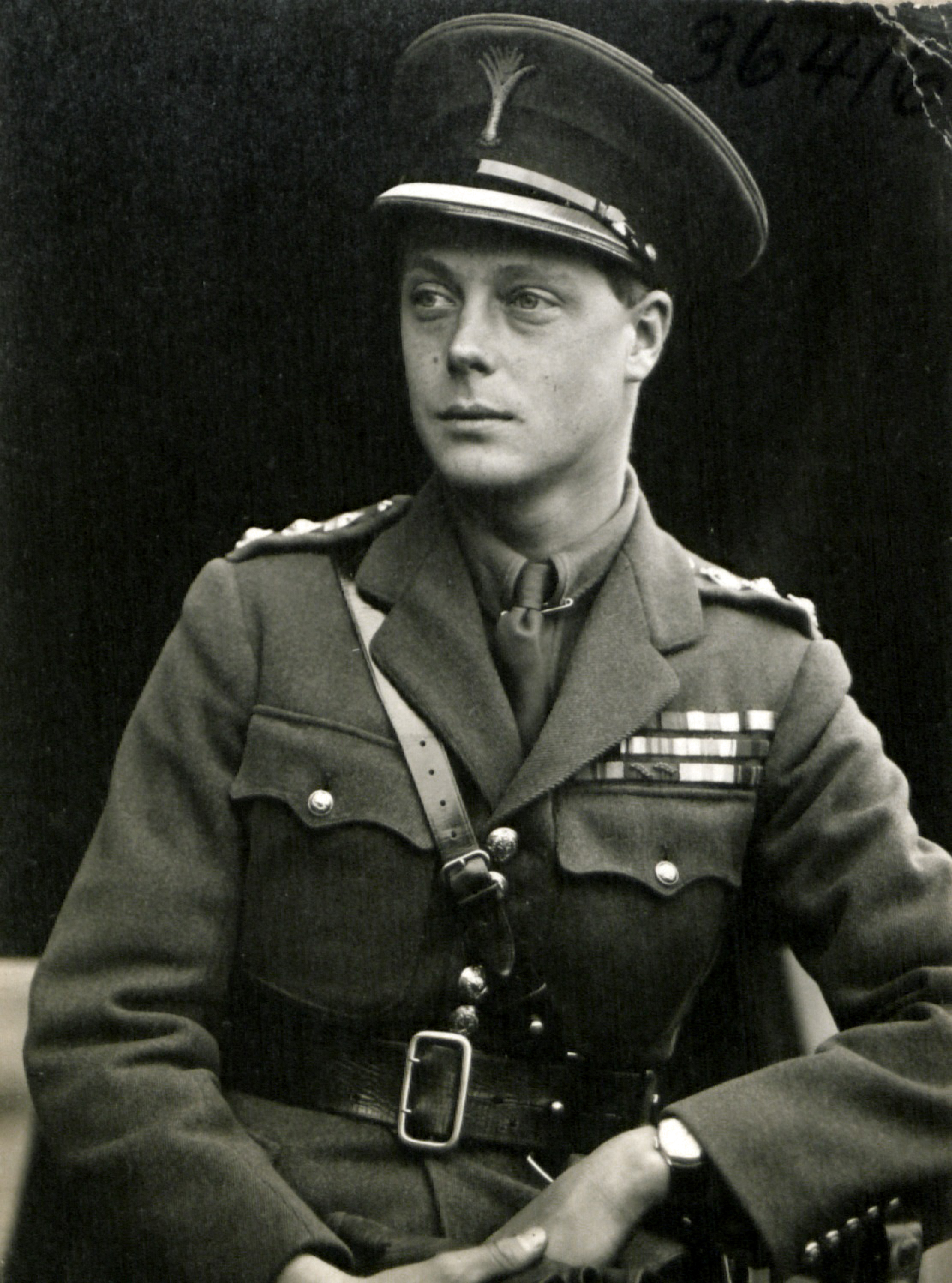
Edward VIII
Sign in to saveAlso known as Edward Albert Christian George Andrew Patrick David, Edward Albert Christian George Andrew Patrick David Windsor, Edward Windsor, Duke of Windsor, Edward, Duke of Windsor, Edward VIII Edward VIII of the United Kingdom, Edward VIII Edward VIII, King of the United Kingdom, Edward, Prince of Wales
Edward VIII, later known as the Duke of Windsor, was King of the United Kingdom and the British Dominions, and Emperor of India, from 20 January 1936 until his abdication in December of the same year.
OverviewAI-generated
Edward VIII was a member of the House of Windsor, born in 1894 at White Lodge to George V and Mary of Teck. He held the positions of monarch of the United Kingdom, Emperor of India, and Prince of Wales. His citizenship included the United Kingdom and the United Kingdom of Great Britain and Ireland. He was educated at Magdalen College and Britannia Royal Naval College.
A field marshal in the British Army, he participated in World War I and World War II. He received the Military Cross, the Order of St. Olav, the Grand Cordon of the Supreme Order of the Chrysanthemum, and the Croix de guerre 1914–1918. He was a member of the Royal Society. He married Wallis Simpson. He died of laryngeal cancer from natural causes on May 28, 1972, in Neuilly-sur-Seine, 16th arrondissement of Paris, and was buried at the Royal Burial Ground.
Synthesized by Vinony from 27 facts across 3 sources: Wikidata, Firecrawl, Vinony collections. Generated from structured data (not the Wikipedia text) and checked against those facts — may still contain errors.
Film & TV
Richmond, Surrey, England, UK
Known for
- The Three Kings of 1936 — Self2026
- A Very Royal Crisis: Countdown to Abdication2023
- Maria by Callas — Self (archive footage)2017
- The Royal House of Windsor — Self (archive footage)2017
- Inside Buckingham Palace — Self (archive footage)2015
- JFK to 9/11: Everything is a Rich Man's Trick — Self (archive footage)2014
- Edward & George: Two Brothers, One Throne — Self (archive footage)2012
- Abdication: A Very British Coup — Self (archive footage)2006
- The Champagne Safari — Self (archive footage)1995
- Love in Exile — archive footage1984
via TMDB
Wikipedia views (30d)
337,037 totalvia Wikimedia Pageviews API
Described at
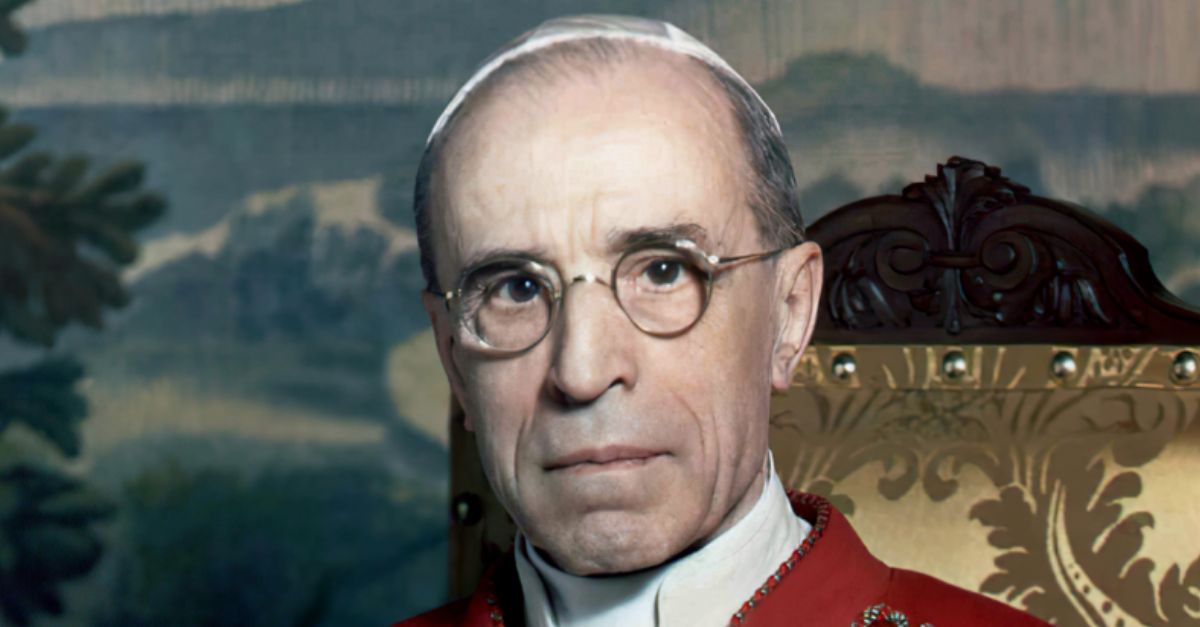
Historical Figures Who Kept Their True Evil Hidden From The World
History often cloaked its villains in garments of greatness, only for time to strip away the illusion and reveal what truly lay beneath. Many figures celebrated as heroes or visionaries left behind a far darker imprint than their admirers ever suspected.
factinate.com →History often cloaked its villains in garments of greatness, only for time to strip away the illusion and reveal what truly lay beneath. Many figures celebrated as heroes or visionaries left behind a far darker imprint than their admirers ever suspected. King Leopold II of Belgium cloaked exploitation beneath a philanthropic banner, presenting his Congo venture as a civilizing mission through the International African Society. Behind this moral disguise, his regime orchestrated one of the deadliest colonial systems in recorded history. Ten to fifteen million Congolese perished through forced labor, starvation, and violent terror. Soldiers mutilated those who missed rubber quotas, and this enforced a reign of fear so absolute that Leopold never needed to visit the Congo himself to orchestrate its horror. At Auschwitz, Josef Mengele wore the white coat of a healer but wielded it as a weapon. Known grimly as the “Angel of Death,” he selected prisoners for experiments that blurred medicine into torture and curiosity into cruelty. His obsession with twins and genetics produced countless fatalities under the guise of science. After the war, Mengele escaped to South America to vanish into anonymity until his passing in 1979—his crimes continuing to haunt global memory long after his disappearance. Jimmy Savile stood before the British public as a beloved entertainer and philanthropist. Launching Top of the Pops and raising millions for charity, he cultivated an image of benevolence that got him a knighthood from Queen Elizabeth II in 1990. But only after his 2011 passing did the truth surface: he was a prolific predatory offender who preyed on the vulnerable, including hospital patients and children. His decades of abuse thrived in plain sight as institutions ignored countless warning signs. As WWII engulfed Europe, Pope Pius XII commanded immense spiritual authority over millions of Catholics. Yet historical evidence revealed he had early, detailed knowledge of what was happening in Germany as far back as 1942—and still chose public silence. His calculated neutrality shielded the Church but stained his moral legacy. By prioritizing institutional caution over moral outcry, he left historians divided and believers shaken about faith’s responsibility during humanity’s darkest chapter. History's most fascinating stories and darkest secrets, delivered to your inbox daily. Mao Zedong’s “Little Red Book” became both a political manifesto and a tool of devotion, fueling his transformation into a living god during China’s Cultural Revolution. This cult of personality justified purges, persecution, and ideological violence on an unprecedented scale. Under his Great Leap Forward, collectivization and reckless agricultural policies led to famine and people passing on a staggering level, and estimates range from fifteen to forty-five million lives lost. His legacy stands as a warning of ideology unrestrained by humanity. For generations, Christopher Columbus was revered as a courageous visionary who bridged continents. Schoolbooks and statues enshrined him as the discoverer of the New World, his voyages celebrated as triumphs of exploration and faith in human progress. But records later revealed his rule in the Caribbean was marked by enslavement and execution. He helped establish the transatlantic slave trade, even reducing Indigenous communities to forced labor. The heroic myth of discovery crumbled beneath the weight of documented atrocity. Edward VIII’s abdication once symbolized romantic devotion—renouncing the British crown for love of Wallis Simpson. His dramatic gesture charmed the world and seemed to demonstrate individual freedom over duty, a modern fairy tale steeped in sacrifice. Only later did revelations of Nazi sympathies taint that image. His 1937 meeting with Hitler, hidden for decades, exposed troubling alliances that reframed his story from selfless love to moral failure, casting doubt on his loyalty to both cou
Excerpt from a page describing this subject · 40,000 chars · not written by Vinony
Wikidata facts
- Instance of
- human
- Given name
- David
- Named after
- Saint David
- Gender
- male
- Citizenship
- United Kingdom of Great Britain and Ireland
- Place of birth
- White Lodge
- Place of death
- 16th arrondissement of Paris
- Spouse
- Wallis Simpson
- Father
- George V
- Mother
- Mary of Teck
- Occupation
- aristocrat
- Languages spoken
- English language
- Native language
- British English
- Religion
- Church of England
- Family
- House of Windsor
- Noble title
- Duke of Windsor
- Anthem
- God Save the King
- Conflict
- World War II
- Military branch
- British Army
- Image
- Duke and Duchess of Windsor - Google Art Project (Duke cropped).jpg
- Significant event
- 1937 tour of Germany by the Duke and Duchess of Windsor
Show 24 more facts
- place of burial
- Royal Burial Ground
- Commons category
- Edward VIII of the United Kingdom
- cause of death
- laryngeal cancer
- date of birth
- 1894-06-23
- date of death
- 1972-05-28
- topic's main category
- Category:Edward VIII
- member of
- Royal Society
- manner of death
- natural causes
- Commons gallery
- Edward VIII of the United Kingdom
- name in native language
- Edward VIII
- owner of
- Balmoral Castle
- writing language
- British English
- social classification
- royalty
- godparent
- Alexandra Feodorovna
- honorific prefix
- Royal Highness
- date of baptism
- 1894-07-16
- unmarried partner
- Thelma Furness, Viscountess Furness
- P8168
- Rāvaṇa
- significant person
- Charlotte Bill
- birth name
- Edward Albert Christian George Andrew Patrick David Duc de Windsor
- ethnic group
- British
- P12749
- Basile Ikouébé
Sources (7)
via Wikidata · CC0
~40 min read
Encyclopedic overview
House Windsor (from 1917)
Saxe-Coburg and Gotha (until 1917)
Excerpted from Wikipedia’s “Edward VIII” article, available under the CC BY-SA 4.0 licence.
Gallery (14)
Available in 98 languages
- Español
- Français
- Deutsch
- 中文
- 日本語
- Русский
- Português
- Italiano
- العربية
- हिन्दी
- Afrikaans
- Aragonese
- Armenian
- Asturian
- azb
- Azerbaijani
- Bahasa Indonesia
- Balinese
Show 79 more
- Bangla
- Basque
- be_x_old
- Belarusian
- Bikol
- Bosnian
- Breton
- Bulgarian
- Catalan
- Central Kurdish
- Cornish
- Croatian
- Czech
- Danish
- Egyptian Arabic
- Esperanto
- Estonian
- Finnish
- Galician
- Georgian
- Greek
- Hakka Chinese
- Hebrew
- Hungarian
- Icelandic
- Ido
- Interlingua
- Irish
- Kara-Kalpak
- Karachay-Balkar
- Kazakh
- Latin
- Latvian
- Lingua Franca Nova
- Lithuanian
- Luxembourgish
- Macedonian
- Malagasy
- Malay
- Malayalam
- Marathi
- Mazanderani
- Nederlands
- Northern Frisian
- Norwegian
- Norwegian Nynorsk
- nrm
- Nyanja
- Occitan
- Old English
- Pashto
- Polski
- Punjabi
- Romanian
- Sanskrit
- Scots
- Scottish Gaelic
- Serbian
- Serbian (Latin)
- Sicilian
- simple
- Sinhala
- Slovak
- Slovenian
- Svenska
- Tamil
- Tiếng Việt
- Türkçe
- Ukrainian
- Urdu
- Waray
- Welsh
- Western Panjabi
- Wu Chinese
- zh_min_nan
- zh_yue
- فارسی
- ไทย
- 한국어
via Wikidata sitelinks · CC0