Emergencies Act
Sign in to saveAlso known as RSC 1985, c 22 (4th Supp)
Canadian law allowing for special temporary powers during national emergencies
Described at
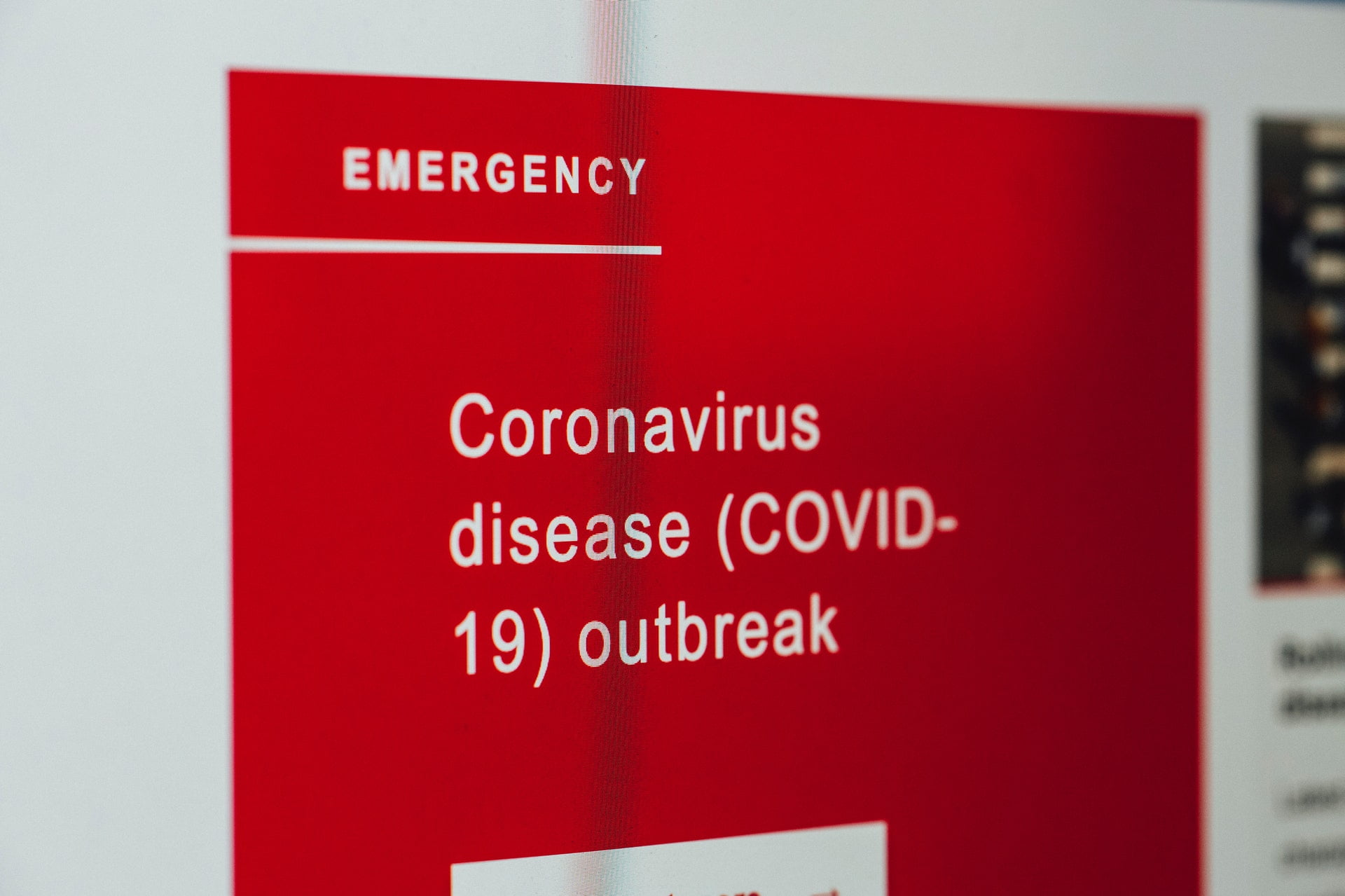
The Emergencies Act - LawNow Magazine
Learn about Canada's Emergencies Act - which gives the federal government sweeping powers in times of crisis. Know your rights!
lawnow.org →The Emergencies Act was enacted in 1988 as a replacement for the War Measures Act ( WMA ). The latter was passed in 1914 shortly after the beginning of the First World War. The WMA gave the federal government the ability to quickly respond to international developments as it saw fit. The Act was short – only three pages – but dramatic in its scope and impact. Upon the government declaring there was a “war, invasion or insurrection, real or apprehended”, the Act gave it sweeping powers without the need to consult with or submit to the supervision of Parliament. Invocation of the WMA gave the federal government the power to: impose censorship on all publications and writings; arrest, detain, exclude and deport persons without the need for charges or trials; take over control of harbours and ports and all means of transportation; intervene in all trading of any sort. The federal government has not yet used the Emergencies Act since it became law in 1988.Probably the most controversial aspect of the use of the WMA during each world war was the government’s internment of large groups of persons based solely upon their ethnicity and racial backgrounds. Thousands of persons were imprisoned in camps hundreds of miles from home, suffering not only the loss of their liberty but also properties, income and other aspects of their usual, peacetime lives. Fear of spies and saboteurs among these ethnic communities usually lay behind the government’s actions. But the vast majority of those imprisoned bore no allegiance to any foreign power. Almost all were loyal Canadian citizens who had committed no crime though none were permitted to appear in court to contest the government’s orders before being interned. The “final straw” which ultimately led to the repeal and replacement of the War Measures Act was the only time it was invoked during peacetime: in October 1970 during the so-called “FLQ Crisis”. After years of bombings in Quebec, the violent Front de Liberation du Quebec (FLQ) kidnapped the British Commissioner for Trade and the Quebec Minister of Labour. The FLQ then threatened more violent actions if its demands were not met. (James Cross, the Commissioner, was ultimately released while Pierre Laporte, the Quebec Minister, was murdered.) After appeals for assistance from the mayor of Montreal and the premier of Quebec, Prime Minster Pierre Trudeau and his cabinet invoked the War Measures Act , effective at 4 a.m. on October 16, 1970. Within Quebec, the police quickly arrested hundreds of persons, including known nationalist and independence supporters (whether or not they supported the FLQ and its violent methods) as well as politicians and others whose views were considered to be “too far” towards the left of the political spectrum. Even outside of Quebec, police arrested persons who distributed the manifesto of the FLQ or literature explaining its aims and goals. Newspapers (usually student publications on university campuses across the country) which sought to cover the crisis or publish the manifesto were threatened with being shut down, and published editions were confiscated. At the time, most Canadians supported the government’s response to the FLQ’s actions – including its use of the WMA . Over the years that followed and as more and more information came out, views changed. Ultimately, a consensus formed which tended to agree that use of this legislation was a significant overreaction to the criminal actions of a very few, isolated radicals and not the “apprehended insurrection” the government believed to be the case. Around the same time – also thanks to Pierre Trudeau – in 1982 Canadians adopted the Charter of Rights and Freedoms . The Charter placed more value on concepts such as democratic oversight and involvement of all forms of government action. NDP leader Tommy Douglas (one of the few who opposed use of the legislation) said the War Measures Act was “a sledgehammer [used to] crack a peanut”. By contrast, the Emerg
Excerpt from a page describing this subject · 14,587 chars · not written by Vinony
Full text
Emergencies Act
laws-lois.justice.gc.ca →Link to the full text · 40,000 chars · not written by Vinony
Wikidata facts
- Official name
- An Act to authorize the taking of special temporary measures to ensure safety and security during national emergencies and to amend other Acts in consequence thereof
- Country
- Canada
Show 10 more facts
- title
- Emergencies Act
- repeals
- War Measures Act
- introduced on
- 1987-06-26
- applies to jurisdiction
- Canada
- work available at URL
- laws-lois.justice.gc.ca/fra/lois/e-4.5/TexteComplet.html
- legislated by
- Parliament of Canada
- date of promulgation
- 1988-07-21
- replaces
- War Measures Act
- legal citation of this text
- RSC 1985, c 22 (4th Supp)
via Wikidata · CC0