Encyclopedia of Life · EOL (see source)
Emydocephalus
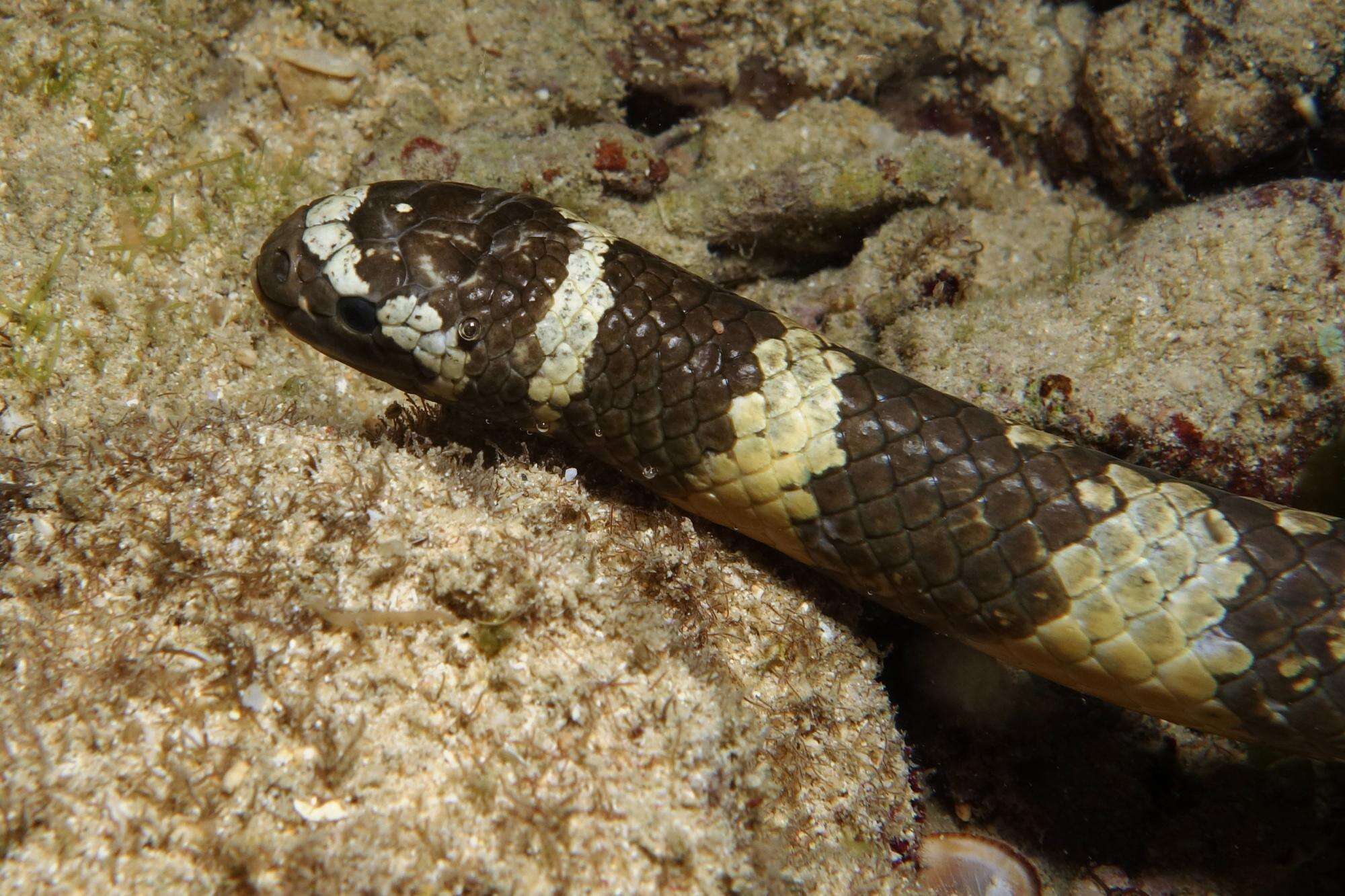
Sign in to saveEmydocephalus is a genus of sea snakes, also known as turtle-headed sea snakes, in the family Elapidae. The genus is one of a small group of the viviparous sea snakes (Hydrophiinae: Hydrophiini) with Aipysurus. Unlike most sea snakes, the species that make up Emydocephalus lack teeth on their dentary and palatine bones. They also lack venom, making them the only non-venomous elapids. The dentary and palantine bones bear only a row of papillae. Emydocephalus does, however, bear fangs and many small pterygoid teeth. This reduced dentition is due to their diet consisting almost entirely of fish e
Species
GENUS
- KingdomAnimalia
- PhylumChordata
- ClassSquamata
- OrderSquamata
- FamilyElapidae
Marine waters of the Ryukyu Archipelago, South China Sea, New Guinea, and northern Australia.
via GBIF
Museum specimens
- Specimen records
- 3
- Family
- Elapidae
- Collections
- CAS, AM
- Recorded in
- Philippine Ids., Australia
Wikidata facts
- Instance of
- taxon
- Parent taxon
- Sea snakes
- Image
- Emydocephalus ijimae by OpenCage.jpg
Show 6 more facts
- Commons category
- Emydocephalus
- taxon name
- Emydocephalus
- taxon rank
- genus
- topic's main category
- Category:Emydocephalus
- taxon common name
- Turtlehead Sea Snakes
- taxon author citation
- Krefft, 1869
Sources (2)
via Wikidata · CC0
~2 min read
Encyclopedic overview
6 sectionsContents
- Etymology
- Geographic range
- Species
- References
- Further reading
- External links
Emydocephalus is a genus of sea snakes, also known as turtle-headed sea snakes, in the family Elapidae. The genus is one of a small group of the viviparous sea snakes (Hydrophiinae: Hydrophiini) with Aipysurus. Unlike most sea snakes, the species that make up Emydocephalus lack teeth on their dentary and palatine bones. They also lack venom, making them the only non-venomous elapids. The dentary and palantine bones bear only a row of papillae. Emydocephalus does, however, bear fangs and many small pterygoid teeth. This reduced dentition is due to their diet consisting almost entirely of fish eggs. Due to their prey being small and immobile, they exhibit a foraging strategy different from most snakes, where they forage more frequently but consume smaller quantities.
==Etymology== The generic name, Emydocephalus, is from the Greek words ὲμύς (emys) meaning "turtle", and κεφαλή (kephale) meaning "head".
Excerpted from Wikipedia’s “Emydocephalus” article, available under the CC BY-SA 4.0 licence.