
File:Epstein_Barr_Virus_virions_EM_10.1371_journal.pbio.0030430.g001-L.JPG · Wikimedia Commons · See Wikimedia Commons
Epstein–Barr virus
Sign in to saveAlso known as human herpesvirus 4, Epstein-Barr virus, Human gammaherpesvirus 4, Herpesvirus 4, Human, EBV
virus of the herpes family
OverviewAI-generated
The Epstein–Barr virus, also classified as Human herpesvirus 4, is a species within the genus Lymphocryptovirus. It is a double-stranded DNA virus with a diameter of 150. The organism is named after Anthony Epstein and Yvonne Barr.
This virus is described as one of the world's most common viruses, with estimates suggesting it lurks in 95 percent of adults. Its presence is associated with Epstein–Barr virus infection.
Synthesized by Vinony from 22 facts across 5 sources: Wikidata, Firecrawl, iNaturalist, PubMed, Vinony graph. Generated from structured data (not the Wikipedia text) and checked against those facts — may still contain errors.
Species
Epstein–Barr virus
species
via
Research
48,556 papers- Epstein-Barr virus at 50-future perspectives.Chinese journal of cancer · 2014
- Epstein‒Barr virus-associated cellular immunotherapy.Cytotherapy · 2023
- Epstein-Barr Virus and the Eye.Ocular immunology and inflammation · 2020
- Epstein-Barr virus and skin.Anais brasileiros de dermatologia · 2018
- Editorial: Epstein-Barr Virus and multiple sclerosis.Frontiers in immunology · 2023
via PubMed
Described at
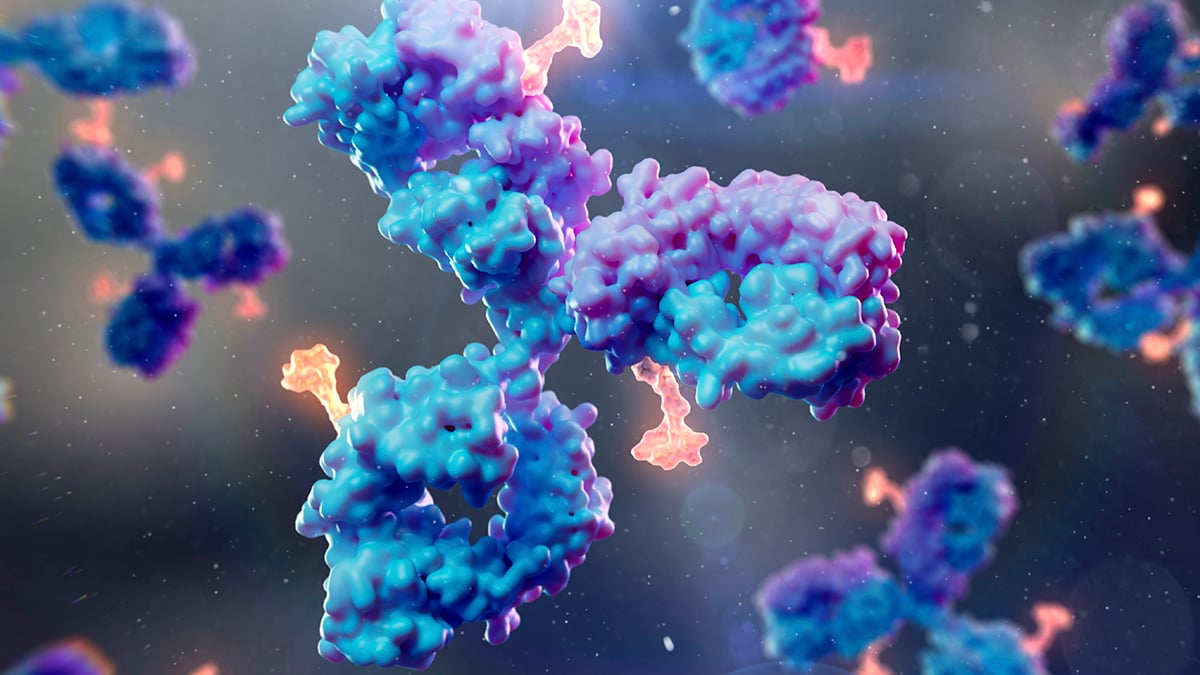
Scientists Develop New Antibody For Virus That Infects 95% of People : ScienceAlert
The Epstein-Barr virus (EBV) is one of the world's most common viruses, thought to be lurking in 95 percent of adults.
sciencealert.com →A team from the Fred Hutchinson Cancer Center and the University of Washington in the US developed antibodies that target two proteins on the surface of EBV particles. Blocking their activity would prevent EBV from taking hold in the first place and may also be enough to prevent its reactivation later in life. In experiments with mice carrying human-like immune systems, one of those antibodies protected the animals from EBV infection. The work done here also gets around a perennial problem with developing EBV antibodies: the virus is so ubiquitous in its attack on the body that finding specific immune cells designed to fight it and to base antibodies on becomes very difficult. "Finding human antibodies that block Epstein-Barr virus from infecting our immune cells has been particularly challenging because, unlike other viruses, EBV finds a way to bind to nearly every one of our B cells," says biochemist Andrew McGuire. Specially bred mice were used to produce human antibodies. (Chhan et al., Cell Rep. Med. , 2026) "Not only did we identify important antibodies against Epstein-Barr virus, but we also validated an innovative new approach for discovering protective antibodies against other pathogens," says pathobiologist Crystal Chhan. When EBV causes noticeable illness in humans, it usually first presents as infectious mononucleosis, also known as glandular fever . After that, it sticks around in the body in a dormant, noninfectious state and can become much more dangerous – especially in those with weakened immune systems. One hope for these antibodies is that they might be used in the hundreds of thousands of organ and bone marrow transplants performed each year. These transplants require immunosuppression, which can leave people vulnerable to EBV. In particular, post-transplant lymphoproliferative disorders (PTLD) driven by EBV are a problem. This is where lymphocytes (those B cells again) can get out of control, leading to life-threatening cancers. "Preventing EBV viremia has strong potential to reduce the incidence of PTLD and limit the need to reduce immunosuppression," says infectious disease physician Rachel Bender Ignacio. Blocking infection could be particularly helpful in transplant cases involving children, who may not yet have been exposed to EBV. There's a lot more work to do to reach the treatment stage, but it's encouraging that we've found new ways to stop EBV from infecting human immune cells. The next stage is to work towards human safety testing and clinical trials .
Excerpt from a page describing this subject · 8,058 chars · not written by Vinony
Wikidata facts
- Instance of
- taxon
- Parent taxon
- Lymphocryptovirus
- Named after
- Yvonne Barr
- Diameter
- 150
- Image
- Epstein Barr Virus virions EM 10.1371 journal.pbio.0030430.g001-L.JPG
Show 7 more facts
- taxon name
- Human herpesvirus 4
- taxon rank
- species
- Commons category
- Epstein-Barr virus
- topic's main category
- Category:Epstein–Barr virus
- has effect
- Epstein–Barr virus infection
- ICTV virus genome composition
- double-stranded DNA virus
Sources (2)
via Wikidata · CC0
~24 min read
Encyclopedic overview
The Epstein–Barr virus (EBV; /ˈɛpstaɪn/ EP-styne, Yiddish: [ˈɛpʃtejn]), also known as human herpesvirus 4 (HHV-4), is one of the nine known human herpesvirus types in the herpes family, and is one of the most common viruses in humans. EBV is a double-stranded DNA virus. EBV is the first identified oncogenic virus, a virus that can cause cancer. EBV establishes a permanent infection in human B cells. It is the most common cause (90% of cases) of infectious mononucleosis and is also tightly linked to many malignant diseases (cancers and autoimmune diseases). Various vaccine formulations have been tested in humans and other animals; however, none of them were able to prevent EBV infection, and no vaccine has been approved to date.
Infectious mononucleosis ("mono" or "glandular fever"), is characterized by extreme fatigue, fever, sore throat, and swollen lymph nodes. EBV is also associated with various non-malignant, premalignant, and malignant EBV-associated lymphoproliferative diseases such as Burkitt lymphoma, hemophagocytic lymphohistiocytosis, and Hodgkin's lymphoma; non-lymphoid malignancies such as gastric cancer and nasopharyngeal carcinoma; and conditions associated with human immunodeficiency virus such as hairy leukoplakia and central nervous system lymphomas. The virus is also associated with the childhood disorders of Alice in Wonderland syndrome and acute cerebellar ataxia and, by some evidence, higher risks of developing certain autoimmune diseases, especially dermatomyositis, systemic lupus erythematosus, rheumatoid arthritis, and Sjögren's syndrome. About 200,000 cancer cases globally per year are thought to be attributable to EBV. In January 2022, a large study following 10 million active US military over 20 years suggested EBV as the leading cause of multiple sclerosis (MS), with a recent EBV infection causing a 32-fold increase in MS risk development.
Excerpted from Wikipedia’s “Epstein–Barr virus” article, available under the CC BY-SA 4.0 licence.