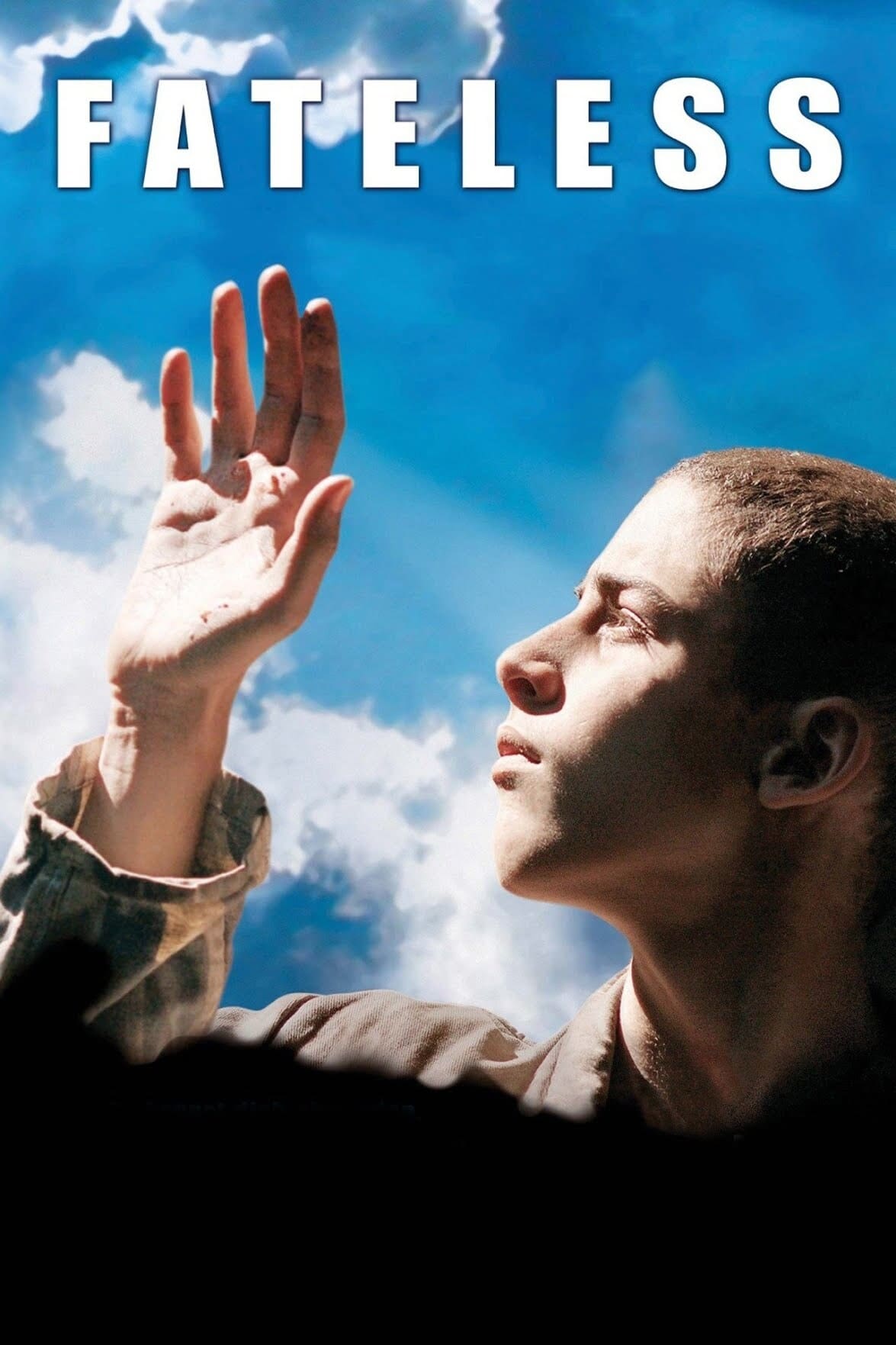
Poster from TMDB
Campos de Esperanza
Sign in to savepelícula de 2005 dirigida por Lajos Koltai
Film · TMDB
6.9A Hungarian youth comes of age at Buchenwald during World War II. György Köves is 14, the son of a merchant who's sent to a forced labor camp. After his father's departure, György gets a job at a brickyard; his bus is stopped and its Jewish occupants sent to camps. There, György find camaraderie, suffering, cruelty, illness, and death. He hears advice on preserving one's dignity and self-esteem. He discovers hatred. If he does survive and returns to Budapest, what will he find? What is natural; what is it to be a Jew? Sepia, black and white, and color alternate to shade the mood.
Cast
- Marcell Nagy as György Köves
- Béla Dóra as Smoker
- Bálint Péntek as Pretty boy
- Áron Dimény as Bandi Citrom
- Péter Fancsikai as Older Kollmann boy
- Zsolt Dér as Rozi
Themes
- budapest, hungary
- concentration camp
- world war ii
- hungary
This product uses the TMDB API but is not endorsed or certified by TMDB.
Wikidata facts
- Instance of
- film
- Genre
- drama film
- Country of origin
- United Kingdom
- Original language
- English language
- Based on
- Fatelessness
- Main subject
- psychological repression
- Director
- Lajos Koltai
- Screenwriter
- Imre Kertész
- Cast member
- Sándor Zsótér
- Composer
- Ennio Morricone
- Cinematographer
- Gyula Pados
- Narrative location
- Budapest
- Duration
- 140
- FilmAffinity ID
- 732301
- Distribution format
- video on demand
Show 4 more facts
- publication date
- 2005-06-02
- title
- Sorstalanság
- nominated for
- European Film Award for Best Composer
- review score
- 87/100
Sources (14)
via Wikidata · CC0
Article · Español
Campos de Esperanza (Sorstalanság en húngaro) es una película dirigida por Lajos Koltai y estrenada en el 2005. Está basada en la novela semibiográfica Sin destino escrita por Imre Kertész, ganador del premio Nobel de Literatura en 2002, que también escribió el guion. La música de la película fue compuesta por Ennio Morricone y una de sus canciones es interpretada por Lisa Gerrard excantante del grupo Dead Can Dance. La película no sólo es una de las producciones más costosas hechas en Hungría (pues costó cerca de $12 millones de dólares), pero también una de las producciones de mayor éxito. En 2005 fue exhibida en Hungría y en Alemania (en el Festival Internacional de Cine de Berlín), en el Telluride Film Festival en Telluride (Colorado) y en el Festival Internacional de Cine de Toronto.
Abstract from DBpedia / Wikipedia · CC BY-SA