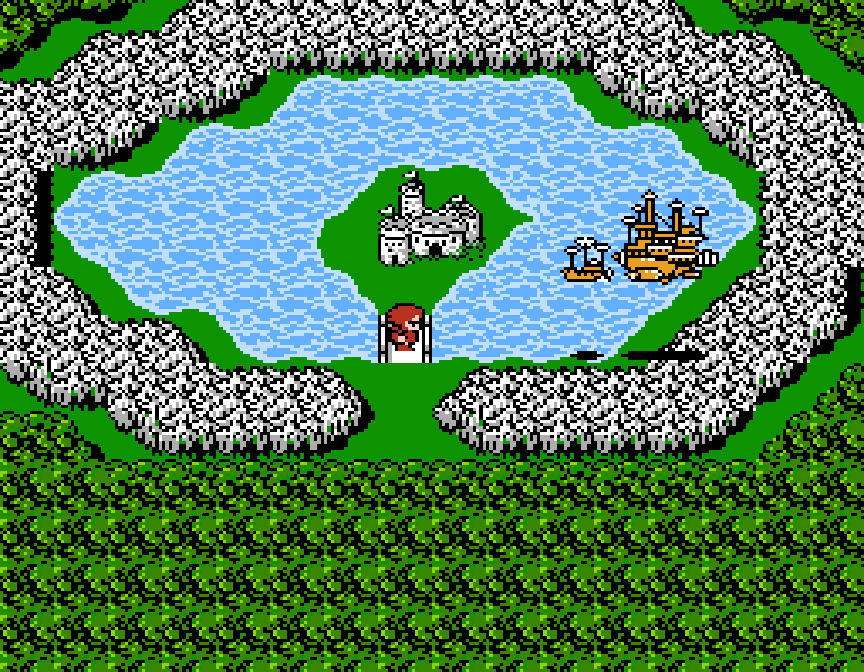
Final Fantasy II (1988) · RAWG · Courtesy of RAWG
Final Fantasy II
Sign in to saveAlso known as Final Fantasy 2, FF2, FFII, FF2 JP, FF2 NES
1988 role-playing video game, originally released on Famicom
OverviewAI-generated
Final Fantasy II is a role-playing and adventure video game that was published on 17 December 1988. It was both developed and published by Square, and it forms part of the Final Fantasy franchise. The game offers a single-player game mode.
It was released across numerous platforms, including the NES, the Super Nintendo Entertainment System, the Wii, the Wii U, the PlayStation, the PSP, the Nintendo 3DS and iOS.
Synthesized by Vinony from 15 facts across 3 sources: Wikidata, RAWG, IGDB. Generated from structured data (not the Wikipedia text) and checked against those facts — may still contain errors.
Game data
- Released
- 1988-12-17
- User rating
- 3.34 / 5
- Genres
- RPG
- Platforms
- iOS, Nintendo 3DS, PlayStation, PSP, Wii U, Wii, Game Boy Advance, NES
via RAWG
Game details · IGDB
The fourth entry in the Final Fantasy series was released as Final Fantasy II in the West, because the second and the third games were not released there at the time. The game is a Japanese-style RPG with top-down world map navigation, automatic leveling up, and random enemy encounters.
- Released
- 1991
- Genres
- Role-playing (RPG), Adventure
- Platforms
- Super Nintendo Entertainment System, Wii
- Game modes
- Single player
- Franchise
- Final Fantasy
- Developer
- Square
- Publisher
- Square
Key facts
- Developer
- Square
- Publisher
- Square
- Director
- Hironobu Sakaguchi
- Producer
- Masafumi Miyamoto
- Designers
- Hiromichi Tanaka Akitoshi Kawazu Koichi Ishii
- Programmer
- Nasir Gebelli
- Artist
- Yoshitaka Amano
- Writer
- Kenji Terada
- Composer
- Nobuo Uematsu
- Series
- Final Fantasy
- Platform
- Family Computer WonderSwan Color PlayStation Game Boy Advance i-mode EZweb PlayStation Portable iOS Android Windows Nintendo Switch PlayStation 4 Xbox Series X/S
- Genre
- Role-playing
- Mode
- Single-player
via Wikipedia infobox
Wikidata facts
- Instance of
- video game
- Country of origin
- Japan
- Publisher
- Square
- Director
- Hironobu Sakaguchi
- Composer
- Nobuo Uematsu
- Producer
- Masashi Miyamoto
- Developer
- Square
- Platform
- iOS
- Game mode
- single-player video game
- Designed by
- Hiromichi Tanaka
- Official website
- www.square-enix.com/jp/archive/ff2
Show 9 more facts
- Commons category
- Final Fantasy II
- media franchise
- Final Fantasy
- input device
- touchscreen
- programmer
- Nasir Gebelli
- publication date
- 1988-12-17
- language of work or name
- Japanese
- operating system
- iOS
- distributed by
- App Store
- title
- ファイナルファンタジーII
Sources (5)
via Wikidata · CC0
~29 min read
Encyclopedic overview
Final Fantasy II is a 1988 role-playing video game developed and published by Square for the Family Computer as the second installment of the Final Fantasy series. It was ported to and remade for WonderSwan Color, PlayStation, Game Boy Advance, PlayStation Portable, and mobile phones. Originally exclusive to Japan, later versions were released internationally, including the 2021 Final Fantasy Pixel Remaster version. The story follows the warrior Firion and his allies as they join a rebellion against the expanding Palamecian Empire. The gameplay is similar to the original game with an overworld and dungeon exploration, but its combat design is changed to a usage-based growth system where characters' statistics increase according to how they are used or acquired.
The game began development after the success of Final Fantasy, with the team using a new setting to make the game accessible to players. Returning staff included series creator Hironobu Sakaguchi as director, designer Akitoshi Kawazu, programmer Nasir Gebelli, artist Yoshitaka Amano, writer Kenji Terada, and composer Nobuo Uematsu. The team wanted to create a game that was different from the first Final Fantasy, including creating a narrative that drew inspiration from The Empire Strikes Back (1980), and redesigning the combat system. The stat growth system was created by Kawazu, and he later felt the team went too far in making the game different from the original.
Excerpted from Wikipedia’s “Final Fantasy II” article, available under the CC BY-SA 4.0 licence.