Encyclopedia of Life · EOL (see source)
Fonticula
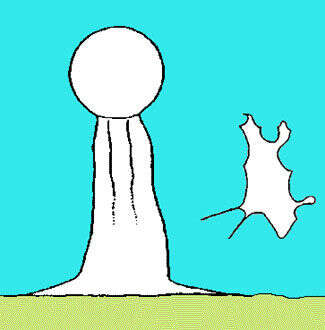
Sign in to saveFonticula is a genus of cellular slime mold which forms a fruiting body in a volcano shape. As long ago as 1979 it has been known to not have a close relationship with either the Dictyosteliida or the Acrasidae, the two well-established groups of cellular slime molds. In 1979, Fonticula was made a new genus of its own due to the unique characteristics of its fruiting body, with only one species: Fonticula alba.
Species
GENUS
- KingdomProtozoa
- PhylumChoanozoa
- ClassCristidiscoidea
- OrderFonticulida
- FamilyFonticulidae
Fonticulid slime mould, amoeba with aggregating cellular and encysting stage resembling slime molds. Sorocarp volcaniform. Amoebae with filose pseudopodia and discoid cristae - a combination of characteristics which makes assignment to either acrasids or dictyostelids uncertain. The proposition of Fonticula being a bridge between these two categories of slime molds is inconsistent with distant relatedness of these two types of protist and was excluded from the Heterolobosea by Page and Blanton (1985). Type locality: dog dung, Kansas.
via GBIF
~11 min read
Encyclopedic overview
8 sectionsContents
- History and etymology
- Description
- Morphology and anatomy
- Phylogenetics
- Life cycle
- Culturing techniques
- References
- Further reading
Fonticula is a genus of cellular slime mold which forms a fruiting body in a volcano shape. As long ago as 1979 it has been known to not have a close relationship with either the Dictyosteliida or the Acrasidae, the two well-established groups of cellular slime molds. In 1979, Fonticula was made a new genus of its own due to the unique characteristics of its fruiting body, with only one species: Fonticula alba.
The life cycle of Fonticula alba alternates between an amoeboid vegetative stage and aggregative fruiting stage. The fruiting body of the genus has a unique shape, as its sorocarp resembles a volcano and sorus looks like a ball of hot lava emerging from that volcano.
Excerpted from Wikipedia’s “Fonticula” article, available under the CC BY-SA 4.0 licence.