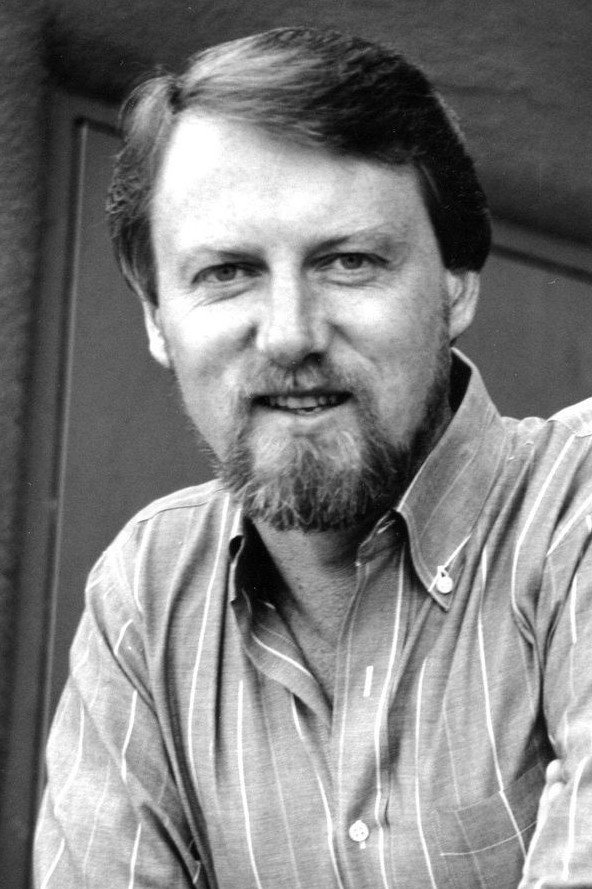
Profile via TMDB · Courtesy of TMDB
Gary Kildall
Sign in to saveAlso known as Gary Arlen Kildall
American computer scientist and entrepreneur (1942–1994)
OverviewAI-generated
Gary Kildall was an American computer scientist, programmer, university teacher, and businessperson. Born in Seattle in 1942, he was educated at the University of Washington and worked as a teacher at the Naval Postgraduate School. His professional career in computer science began in 1972, and he is noted for his work on CP/M. He spoke English.
Kildall died in Monterey in 1994. His death was accidental and resulted from an injury.
Synthesized by Vinony from 26 facts across 3 sources: Wikidata, Firecrawl, TMDb. Generated from structured data (not the Wikipedia text) and checked against those facts — may still contain errors.
Film & TV
Seattle, WA, USA
Gary Kildall was an American computer scientist and entrepreneur, best known for creating the CP/M operating system, which was pivotal in the personal computer revolution. He founded Digital Research, Inc. to market his software products and is recognized for his significant contributions to early computing technology.
Known for
- Computer Chronicles — Self - Host1984
via TMDB
Key facts
- Born
- Gary Arlen Kildall , ( 1942-05-19 ) May 19, 1942, Seattle , Washington, U.S.
- Died
- July 11, 1994 (1994-07-11) (aged 52), Monterey, California , U.S.
- Resting place
- Evergreen Washelli Memorial Park
- Alma mater
- University of Washington
- Occupations
- Computer scientist entrepreneur
- Years active
- 1972–1994
- Known for
- Creator of CP/M Pioneer of the personal computer revolution
- Title
- Founder, chairman and CEO of Digital Research
- Board member of
- Digital Research
- Spouse s
- Dorothy McEwen Kildall , Karen Kildall
- Children
- 2, including Scott
via Wikipedia infobox
Described at
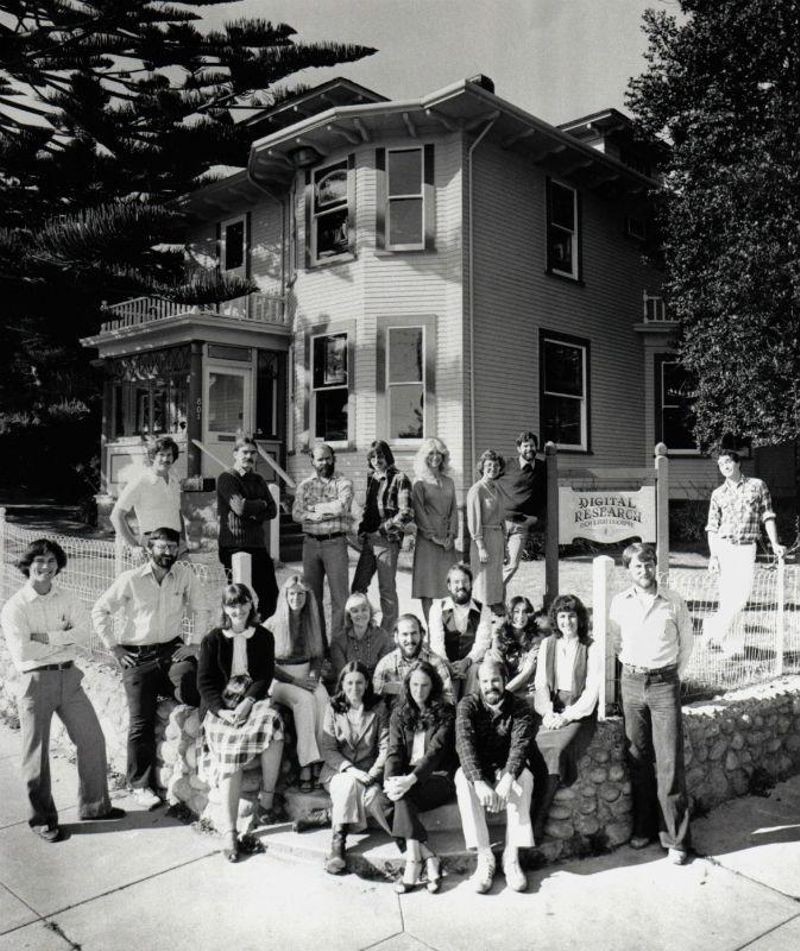
Gary Kildall and the 40th Anniversary of the Birth of the PC Operating System - CHM
computerhistory.org →Late one afternoon in the fall of 1974, in the sleepy California seaside town of Pacific Grove, programmer Gary Kildall and electronic engineer John Torode “retired for the evening to take on the simpler task of emptying a jug of not-so-good red wine … and speculating on the future of our new software tool”. [1] By successfully booting a computer from a floppy disk drive, they had just given birth to an operating system that, together with the microprocessor and the disk drive, would provide one of the three fundamental building blocks of the personal computer revolution. While they knew it was important, neither realized the extraordinary impact it would have on their lives and times. Gary Arlen Kildall was born to a family of Scandinavian descent in Seattle, Washington in 1942. His inventive skills flourished in repairing automobiles and having fun, but suffered in scholastic pursuits. He qualified for admission to the University of Washington based on his teaching experience at the family owned Kildall Nautical School rather than his high school grades. In 1963, Kildall entered college and married his high school sweetheart Dorothy McEwen, who supported him in his studies. He was one of 20 students accepted into the university’s first master’s program in computer science. Here his mathematical talents were applied to a subject that fascinated him, all-night sessions programming a new Burroughs B5500 computer. To avoid the uncertainty of the draft at the height of the Vietnam War, on graduating with a PhD he entered a U. S. Navy officer training school and was posted to serve as an instructor in computer science at the Navy Postgraduate School (NPS) in Monterey, California. Kildall remained at NPS as an associate professor after his tour of duty ended in 1972. He became fascinated with Intel Corporation’s recently introduced 4004 microprocessor chip and simulated its operation on the school’s IBM mainframe computer. This work earned a consulting relationship with Intel where Hank Smith of the Microcomputer Systems Group commissioned the development of PL/M, a high-level Programming Language for Microcomputers that served the company for decades. To enable software development for Intel’s second generation 8-bit device, the 8080, Kildall needed to connect the chip directly to a new 8” floppy disk-drive storage unit from Memorex. Using PL/M, he wrote the prototype code for his Control Program for Microcomputers (CP/M) in a few weeks. (It was later tuned and rewritten in 8080 assembly language.) His own efforts to build the complex electronic circuitry required to physically transfer the data failed and the project languished for a year. Frustrated, he called John Torode, a college friend then teaching at U.C. Berkeley, who crafted a “beautiful rat’s nest of wirewraps, boards and cables” for the task. Glenn Ewing, a former NPS student, approached DRI with the opportunity to license CP/M for a new family of disk subsystems for microcomputer maker IMSAI, Inc. Reluctant to adapt the code for another controller, Kildall worked with Ewing to split out the hardware dependent portions so they could be incorporated into a separate Basic Input Output System (BIOS). This allowed all 8080 and compatible microprocessor-based computers to run same the operating system on any new hardware with trivial modifications that could be accomplished by the designer in a couple of hours. According to John Wharton, Intel’s technical liaison to DRI who became a DRI contractor and a friend of Kildall, this was “perhaps Gary’s most profound contribution … All previous computer software had targeted specific hardware environments. Gary isolated the system specific hardware interfaces of his OS within a set of “basic I/O system” routines, so it and all applications code would be fully machine independent. This idea created the third-party software industry by expanding the potential market several orders of magnitude.” [4] With the release of CP/M v
Excerpt from a page describing this subject · 20,412 chars · not written by Vinony
Wikidata facts
- Instance of
- human
- Given name
- Gary
- Gender
- male
- Citizenship
- United States
- Place of birth
- Seattle
- Place of death
- Monterey
- Occupation
- businessperson
- Employer
- Naval Postgraduate School
- Languages spoken
- English language
- Notable work
- CP/M
- Field of work
- computer science
Show 9 more facts
- date of birth
- 1942-05-19
- date of death
- 1994-07-11
- manner of death
- accidental death
- described at URL
- www.computerhistory.org/atchm/gary-kildall-40th-anniversary-of-the-birth-of-the-pc-operating-system
- cause of death
- injury
- name in native language
- Gary Kildall
- start of work period
- 1972-00-00
- on focus list of Wikimedia project
- Wikipedia:Vital articles/Level/4
- Commons category
- Gary A. Kildall
via Wikidata · CC0
~20 min read
Encyclopedic overview
Gary Arlen Kildall (/ˈkɪldɔːl/; May 19, 1942 – July 11, 1994) was an American computer scientist and microcomputer entrepreneur. During the 1970s, Kildall created the operating system CP/M among other operating systems and programming tools, and subsequently founded Digital Research, Inc. to market and sell his software products. He is considered a pioneer of the personal computer revolution.
Kildall information plaque Pacific Grove, California
Excerpted from Wikipedia’s “Gary Kildall” article, available under the CC BY-SA 4.0 licence.