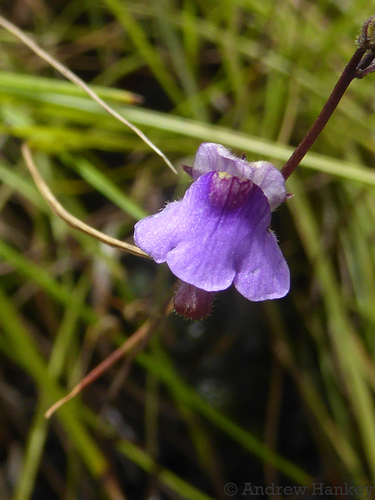
(c) Andrew Hankey, some rights reserved (CC BY-SA), uploaded by Andrew Hankey · cc-by-sa
Genlisea
Sign in to saveAlso known as Corkscrew plants
Genlisea ( ) is a genus of carnivorous plants also known as corkscrew plants. The 30 or so species grow in wet terrestrial to semi-aquatic environments distributed throughout Africa and Central and South America. The plants use highly modified underground leaves to attract, trap and digest minute microfauna, particularly protozoans. Although suggested a century earlier by Charles Darwin, carnivory in the genus was not proven until 1998.
Species
GENUS
- KingdomPlantae
- PhylumTracheophyta
- ClassMagnoliopsida
- OrderLamiales
- FamilyLentibulariaceae
via GBIF · Kew POWO
Museum specimens
- Specimen records
- 114
- With media
- 60
- Family
- Lentibulariaceae
- Collections
- UNIVASF, GH, CENARGEN, MO, MICH, INSTITUTO NACIONAL DE PESQUISAS DA AMAZÔNIA (INPA)
- Recorded in
- Brasil, Liberia, Gabon, Madagascar, Guinea, Brazil, Malawi, Belize
Wikidata facts
- Instance of
- taxon
- Parent taxon
- Lentibulariaceae
- Image
- Genlisea violacea giant.jpg
Show 7 more facts
- taxon rank
- genus
- taxon name
- Genlisea
- topic's main category
- Category:Genlisea
- Commons gallery
- Genlisea
- Commons category
- Genlisea
- taxon common name
- 螺旋狸藻属
Sources (3)
via Wikidata · CC0
~9 min read
Encyclopedic overview
7 sectionsContents
- Description
- Taxonomy
- Botanical history
- Genome size range
- Host–microbiome interactions
- References
- External links
Genlisea ( ) is a genus of carnivorous plants also known as corkscrew plants. The 30 or so species grow in wet terrestrial to semi-aquatic environments distributed throughout Africa and Central and South America. The plants use highly modified underground leaves to attract, trap and digest minute microfauna, particularly protozoans. Although suggested a century earlier by Charles Darwin, carnivory in the genus was not proven until 1998.
The generic name Genlisea honors the French writer and educator Stéphanie Félicité Ducrest de St-Albin, comtesse de Genlis.
Excerpted from Wikipedia’s “Genlisea” article, available under the CC BY-SA 4.0 licence.