George Abbey
Sign in to saveAlso known as George William Samuel Abbey, George W.S. Abbey
American NASA administrator (1932–2024)
OverviewAI-generated
George W.S. Abbey was born on August 21, 1932, and died on March 24, 2024. He was the father of five children.
Abbey is recognized in the Presidential Medal Of Freedom collection. His biography is available under the title "George W.S. Abbey - NASA" on the source identified as P973.
Synthesized by Vinony from 8 facts across 3 sources: Wikidata, Firecrawl, Vinony collections. Generated from structured data (not the Wikipedia text) and checked against those facts — may still contain errors.
In the Vinony graph
George Abbey appears in Vinony's Presidential Medal of Freedom collection — one of 659 entries.
Vinony's link graph records 29 inbound references to George Abbey, and connects out to United States Air Force, Air Force Institute of Technology and Moon.
It is catalogued under topics including 1932 births, 2024 deaths and 20th-century American engineers.
Vinony links it to 7 Wikipedia language editions.
Described at
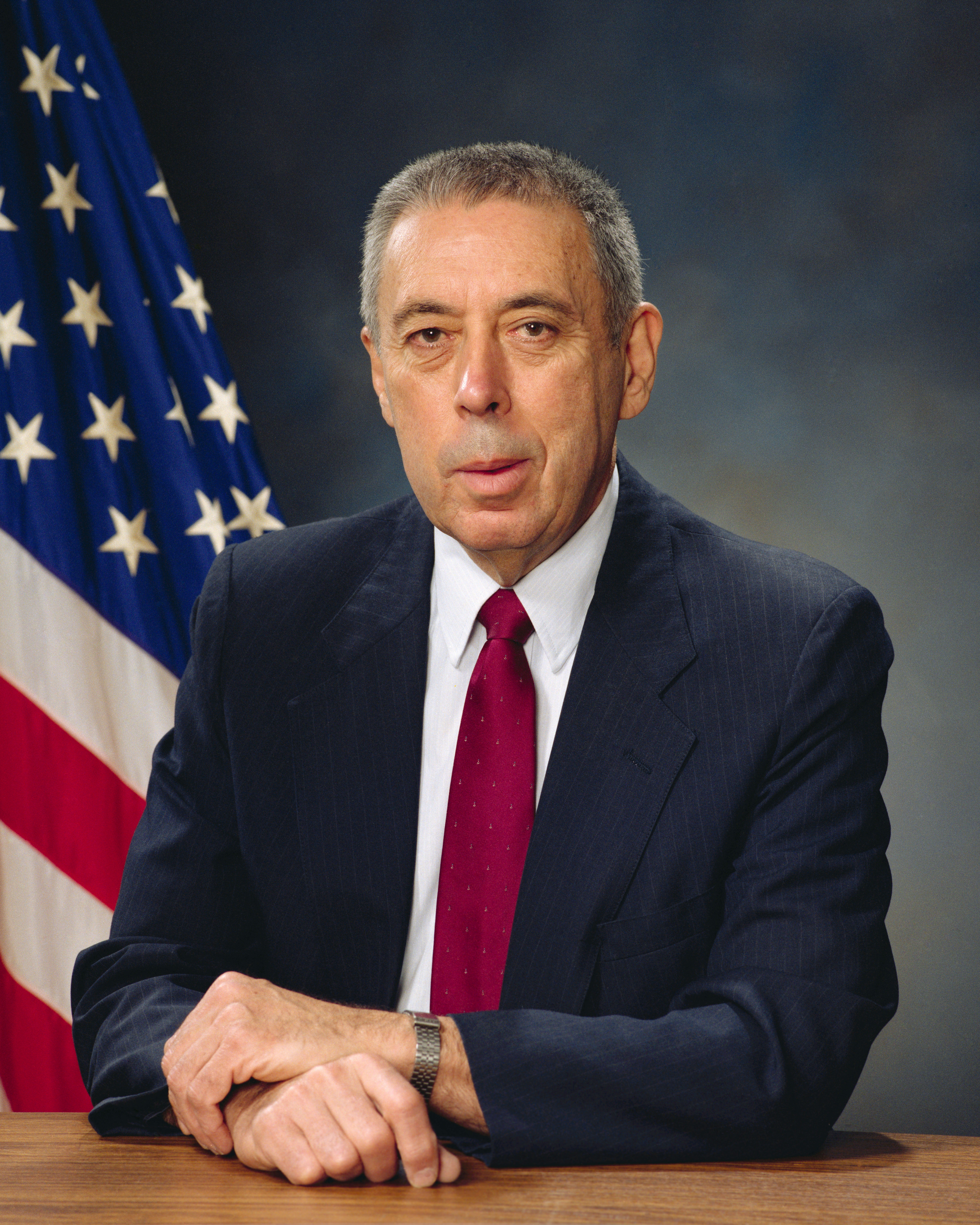
George W.S. Abbey - NASA
George Abbey died on March 24, 2024. NASA Johnson Space Center Director Vanessa Wyche, marked the occasion by saying, “Today NASA mourns the loss of former
nasa.gov →In January 1996, George W.S. Abbey became Johnson Space Center’s seventh director. At the time of his appointment, he had worked for NASA for more than 30 years. His spaceflight career began in 1964, when, as an Air Force officer, he was detailed to the Manned Spacecraft Center. Three years later, Abbey was technical assistant to the Apollo Spacecraft Program manager where he supported the Apollo 1 accident investigation and was a leader in developing and implementing critical safety improvements required to resume Apollo flights. He later became the center director’s technical assistant. As NASA was preparing for the space shuttle to take flight, Abbey was named director of Flight Operations. In this position he was responsible for astronaut training and development as well as mission operations support for the new program’s Approach and Landing Tests, the Orbital Flight Tests, and early operational flights of the Shuttle Program. He was also responsible for the selection of shuttle astronauts, which in 1978 included the first female and minority spacefarers. In 1985, Abbey became director of the newly formed Flight Crew Operations Directorate, which managed NASA’s crews and the center’s Aircraft Operations Office. George Abbey, Director of Flight Crew Operations (in back seat), and John W. Young, Chief of the Astronaut Office, preparing to leave Ellington Air Force Base in Houston in a T-38 aircraft for Kennedy Space Center, Florida for the launch of STS-41B Mission. (1 Feb. 1984) Three years later, after the loss of space shuttle Challenger and her crew , Abbey moved from Houston to Washington, DC, where he served as NASA’s deputy associate administrator for Space Flight. In recognition of his extensive contributions to the nation’s space program he was also appointed as senior director for Civil Space Policy on the National Space Council, Executive Office of the President. After the 1992 presidential election, he was named special assistant to NASA’s new administrator, Daniel S. Goldin , where he played a key role in establishing the agency’s new management team following the change in presidential administrations. Abbey returned to the Johnson Space Center when he became its deputy director in January 1994. Two years later he became its director. During his tenure, Goldin appointed Johnson Space Center the “Lead Center” for space station and space shuttle. Both programs had been previously controlled by NASA Headquarters, and this decision gave Abbey greater responsibility for America’s human spaceflight programs. His authority extended into basic decisions such as reaffirming the leadership of both programs and chairing all the Space Shuttle Flight Readiness Reviews. During his time in this role, the space shuttle flew more than 25 successful missions; the joint U.S. and Russian Shuttle-Mir Program was completed, providing important information for long-duration spaceflight; and the JSC team helped develop and launch the first elements of the International Space Station , which marked the beginning of a new era in space exploration. View of the Saturn V Rocket building in the recently renamed George W.S. Abbey Rocket Park at NASA’s Johnson Space Center in Houston. The park was named in honor of the former center director. The longhorn cattle that call Johnson home are seen grazing beside the building. (10 Dec. 2021) Abbey also worked to improve relationships in the surrounding community. He launched the Longhorn Project, giving local students the opportunity to learn about animal husbandry, aquaculture, and fruit and vegetable cultivation. The project cemented relationships with the Clear Creek Independent School District, the Houston Livestock Show and Rodeo and their local Go Texan committee, and the Texas Longhorn Breeders Association. JSC aided in the development of the Discovery Pyramid at Moody Gardens in Galveston, containing a celebration of the history and future of space exploration. Five years later, Ab
Excerpt from a page describing this subject · 36,306 chars · not written by Vinony
Wikidata facts
- Instance of
- human
- Given name
- George
- Gender
- male
- Citizenship
- United States
- Place of birth
- Seattle
- Place of death
- Houston
- Occupation
- aircraft pilot
- Educated at
- United States Naval Academy
- Languages spoken
- English language
- Image
- George Abbey.gif
- Number of children
- 5
Show 5 more facts
- date of birth
- 1932-08-21
- Commons category
- George Abbey
- date of death
- 2024-03-24
- name in native language
- George Abbey
- described at URL
- www.nasa.gov/people/george-w-s-abbey
Sources (3)
via Wikidata · CC0