
File:Gustav-Holst-1921.jpg · Wikimedia Commons · See Wikimedia Commons
Gustav Holst
Sign in to saveAlso known as Gustav Theodore Holst, Gustavus Theodore von Holst
British composer (1874–1934)
Gustav Holst was a British composer who lived from 1874 to 1934 and created influential classical music during a transformative period for modern composition. He is remembered as an important figure in music history whose works continue to be performed and studied today.
AI-generated from the Wikipedia summary — may contain errors.
Wikidata facts
- Instance of
- human
- Given name
- Theodore
- Gender
- male
- Citizenship
- United Kingdom
- Place of birth
- Cheltenham
- Place of death
- London
- Child
- Imogen Holst
- Sibling
- Ernest Cossart
- Occupation
- music teacher
- Languages spoken
- English language
- Student of
- Charles Villiers Stanford
- Genre
- opera
- Instrument
- trombone
- Image
- Gustav Holst.jpg
Show 15 more facts
- Commons category
- Gustav Holst
- date of birth
- 1874-09-21
- date of death
- 1934-05-25
- topic's main category
- Category:Gustav Holst
- birth name
- Gustavus Theodore von Holst
- Commons Creator page
- Gustav Holst
- lifestyle
- vegetarianism
- cause of death
- heart failure
- place of burial
- Chichester Cathedral
- start of work period
- 1904-00-00
- on focus list of Wikimedia project
- Wikipedia:Vital articles/Level/4
- significant person
- John Ireland
- P12749
- Michel Martelly
- manner of death
- natural causes
Sources (9)
via Wikidata · CC0
Works in European collections
4 objects attributed to Gustav Holst, held across European museums, libraries & archives · via Europeana


~40 min read
Encyclopedic overview
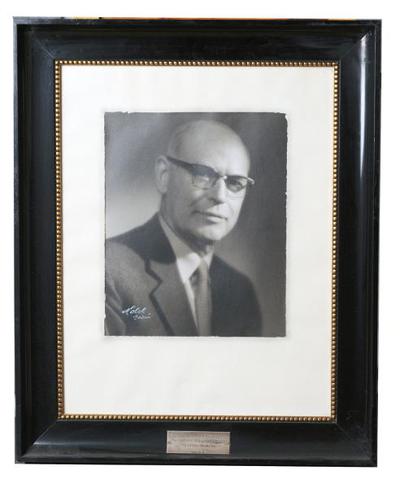
Gustav Holst, c. 1921 photograph by Herbert Lambert
Gustav Holst (born Gustavus Theodore von Holst; 21 September 1874 – 25 May 1934) was an English composer, arranger and teacher. Best known for his orchestral suite The Planets, he composed many other works across a range of genres, although none achieved comparable success. His distinctive compositional style was the product of many influences, Richard Wagner and Richard Strauss being most crucial early in his development. The subsequent inspiration of the English folksong revival of the early 20th century, and the example of such rising modern composers as Maurice Ravel, led Holst to develop and refine an individual style.
Excerpted from Wikipedia’s “Gustav Holst” article, available under the CC BY-SA 4.0 licence.