Hedyotis · Kew POWO · Kew Plants of the World Online
Hedyotis
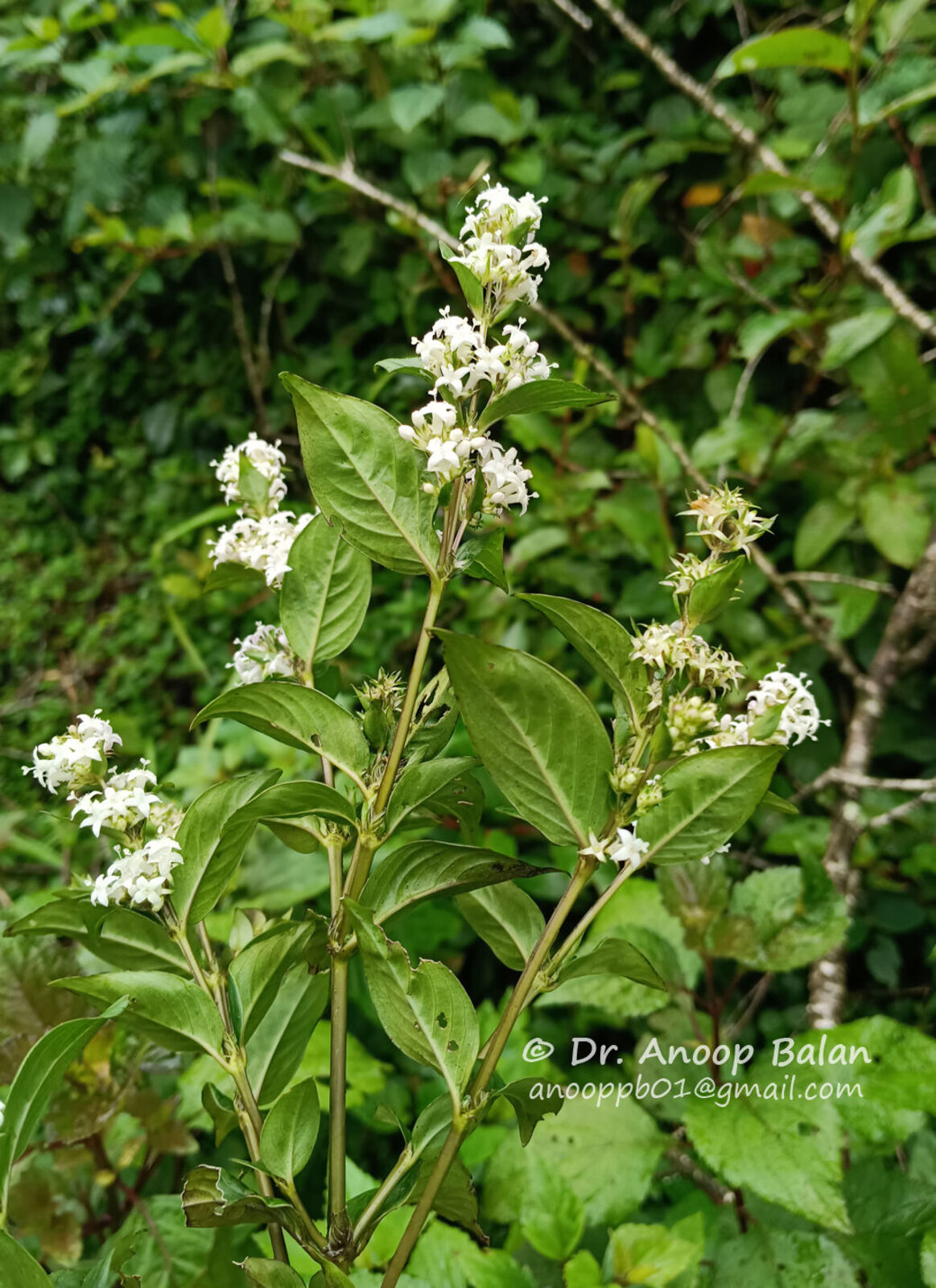
Sign in to saveHedyotis (starviolet) is a genus of flowering plants in the family Rubiaceae. Many species of this genus such as Hedyotis biflora, H. corymbosa and H. diffusa are well known medicinal plants. Hedyotis is native to tropical and subtropical Asia and to islands of the northwest Pacific. It comprises about 115 species. The type species for the genus is Hedyotis fruticosa.
Species
GENUS
- KingdomPlantae
- PhylumTracheophyta
- ClassMagnoliopsida
- OrderGentianales
- FamilyRubiaceae
Common Name: setara
via GBIF · Kew POWO
Museum specimens
- Specimen records
- 3,742
- With media
- 3,361
- Family
- Rubiaceae
- Collections
- INECOL, IBUNAM, IIB-UV, BRIT, DCBS-DICTUS-USON, FCF-UANL
- Recorded in
- Mexico, United States, China, Philippines
Research
381 papers- Hedyotis diffusa injection induces ferroptosis via the Bax/Bcl2/VDAC2/3 axis in lung adenocarcinoma.Phytomedicine : international journal of phytotherapy and phytopharmacology · 2022
- [Textual study of Baihuasheshecao (Hedyotis diffusa)].Zhongguo Zhong yao za zhi = Zhongguo zhongyao zazhi = China journal of Chinese materia medica · 2025
- Hedyotis chrysotricha aqueous extract inhibits hepatitis B surface antigen and viral replication via hepatocyte nuclear factor 4α regulation.Phytomedicine : international journal of phytotherapy and phytopharmacology · 2025
- Scutellaria barbata D.Don and Hedyotis diffusa Willd herb pair combined with cisplatin synergistically inhibits ovarian cancer progression through modulating oxidative stress via NRF2-FTH1 autophagic degradation pathway.Journal of ovarian research · 2024
- The Hedyotis diffusa Willd. (Rubiaceae): A Review on Phytochemistry, Pharmacology, Quality Control and Pharmacokinetics.Molecules (Basel, Switzerland) · 2016
via PubMed
Wikidata facts
Show 6 more facts
- taxon common name
- 耳草属
- taxon name
- Hedyotis
- taxon rank
- genus
- topic's main category
- Category:Hedyotis
- Commons category
- Hedyotis
Sources (2)
via Wikidata · CC0
~10 min read
Encyclopedic overview
6 sectionsContents
- Taxonomy
- Species
- Formerly placed here
- Research
- References
- External links
Hedyotis (starviolet) is a genus of flowering plants in the family Rubiaceae. Many species of this genus such as Hedyotis biflora, H. corymbosa and H. diffusa are well known medicinal plants. Hedyotis is native to tropical and subtropical Asia and to islands of the northwest Pacific. It comprises about 115 species. The type species for the genus is Hedyotis fruticosa.
Hedyotis was named by Carl Linnaeus in 1753 in Species Plantarum. This generic name is derived from two Greek words, hedys, "sweet", and otos, "ear", in reference to the sweet-scented, ear-shaped leaves of some species.
Excerpted from Wikipedia’s “Hedyotis” article, available under the CC BY-SA 4.0 licence.
Gallery (2)
Available in 12 languages
via Wikidata sitelinks · CC0