Thomas Læssøe · https://creativecommons.org/licenses/by-nc/4.0/
Helotiales
Sign in to saveHelotiales is an order of the class Leotiomycetes within the division Ascomycota. The taxonomy within Helotiales has been debated. It has expanded significantly as genomic techniques for taxonomical identification have become more commonly used. , the order is estimated to contain 30 accepted families, 519 genera, and 6266 species.
Species
ビョウタケ目
ORDER
- KingdomFungi
- PhylumAscomycota
- ClassLeotiomycetes
- OrderHelotiales
via GBIF
Museum specimens
- Specimen records
- 83
- With media
- 28
- Family
- Leotiomycetidae
- Collections
- MICH, MEL, ILLS, F, UCSC, DUKE
- Recorded in
- United States, Australia, Colombia
Wikidata facts
- Instance of
- taxon
- Parent taxon
- Leotiomycetidae
- Image
- Chlorociboria Haute-Sève 2010-09-24 10.jpg
Show 5 more facts
- Commons category
- Helotiales
- taxon name
- Helotiales
- taxon rank
- order
- topic's main category
- Category:Helotiales
- taxon author citation
- Nannf. ex Korf & Lizoň (2000)
via Wikidata · CC0
~3 min read
Encyclopedic overview
6 sectionsContents
- Description
- Families
- Disputed or previously included families
- See also
- References
- External links
Helotiales is an order of the class Leotiomycetes within the division Ascomycota. The taxonomy within Helotiales has been debated. It has expanded significantly as genomic techniques for taxonomical identification have become more commonly used. , the order is estimated to contain 30 accepted families, 519 genera, and 6266 species.
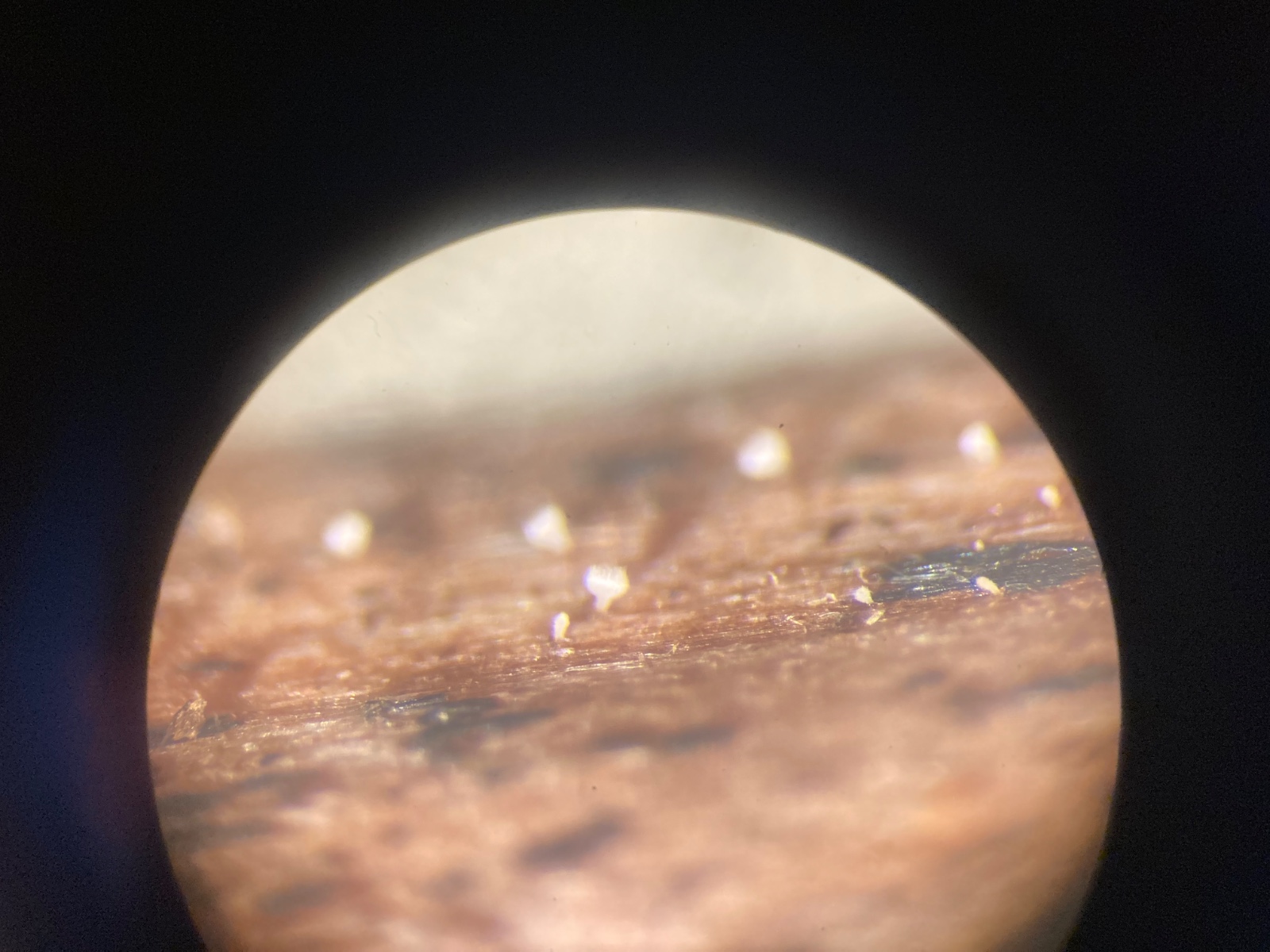
Helotiales is the largest order of non-stromatic discomycetes that usually, but not always, have brightly coloured apothecia. Many members of the family have obviously cup-shaped ascomata with little or no stipes. They are usually found fruiting on coarse or large wood debris as well as on other organic matter. Part of these discomycetes are limited to a specific host range, this goes as far as to not just being limited to one particular plant, additionally some species need a particular part of that plant.
Excerpted from Wikipedia’s “Helotiales” article, available under the CC BY-SA 4.0 licence.