Wittmann, Karl J.;Abed-Navandi, Daniel;Dubois, Maude;Chevaldonné, Pierre
Heteromysis
Sign in to saveHeteromysis (from Greek heteros meaning ‘different’, and mysis, a genus name Mysis) is a genus of marine mysid crustaceans (opossum shrimps) from the family Mysidae, associated with various shallow-water invertebrates. The name describes differentiation of its pereiopods (thoracic appendages) as possible adaptation to commensal life-style. Heteromysis is one of the largest mysid genera, containing more than 100 species. The genus is distributed globally, but predominantly in tropical and subtropical waters.
Species
GENUS
- KingdomAnimalia
- PhylumArthropoda
- ClassMalacostraca
- OrderMysida
- FamilyMysidae
via GBIF
Museum specimens
- Specimen records
- 73
- With media
- 10
- Family
- Mysidae
- Collections
- USNM, YPM, UM-RSMAS, NMV, NHMUK
- Recorded in
- United States, Seychelles, Mexico, Australia, United Kingdom
Wikidata facts
- Instance of
- taxon
- Image
- Heteromysis formosa (YPM IZ 083368) 003.jpeg
Show 5 more facts
- taxon name
- Heteromysis
- taxon rank
- genus
- topic's main category
- Category:Heteromysis
- taxon author citation
- S.I. Smith, 1873
- Commons category
- Heteromysis
Sources (2)
via Wikidata · CC0
~5 min read
Encyclopedic overview
6 sectionsContents
- Description
- Distribution
- Environment and habitat
- Life history
- Classification
- References
Heteromysis (from Greek heteros meaning ‘different’, and mysis, a genus name Mysis) is a genus of marine mysid crustaceans (opossum shrimps) from the family Mysidae, associated with various shallow-water invertebrates. The name describes differentiation of its pereiopods (thoracic appendages) as possible adaptation to commensal life-style. Heteromysis is one of the largest mysid genera, containing more than 100 species. The genus is distributed globally, but predominantly in tropical and subtropical waters.
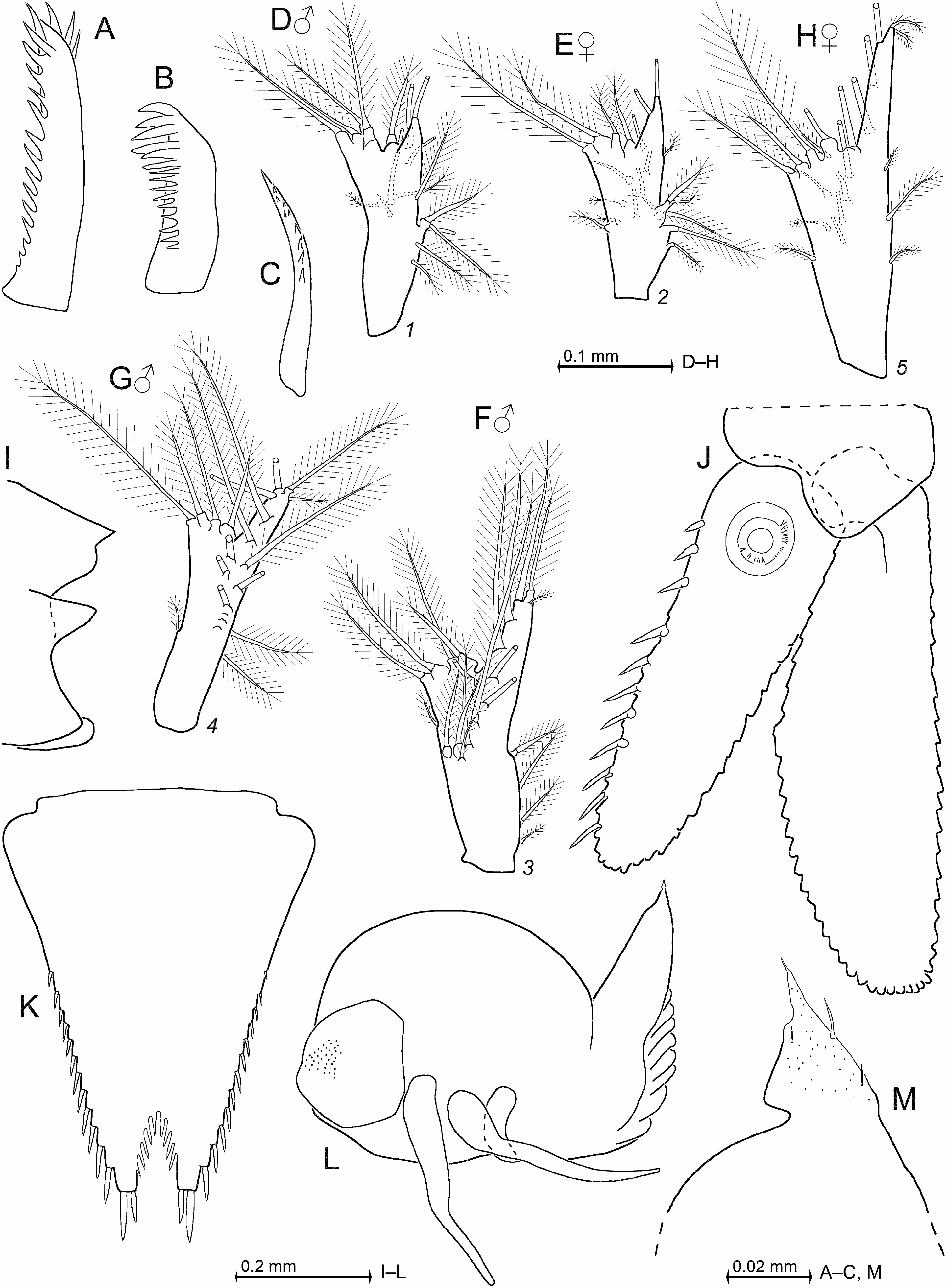
==Description== The body is rather moderately robust. Telson trapezoidal, apically with cleft. Eyes with well developed cornea. Pereiopod 1 carpopropodus always in possession of some either smooth or modified spiniform setae. Pereopod 2 carpopropodus multisegmented. Uropodal endopod with spiniform setae on its inner margin.
Excerpted from Wikipedia’s “Heteromysis” article, available under the CC BY-SA 4.0 licence.