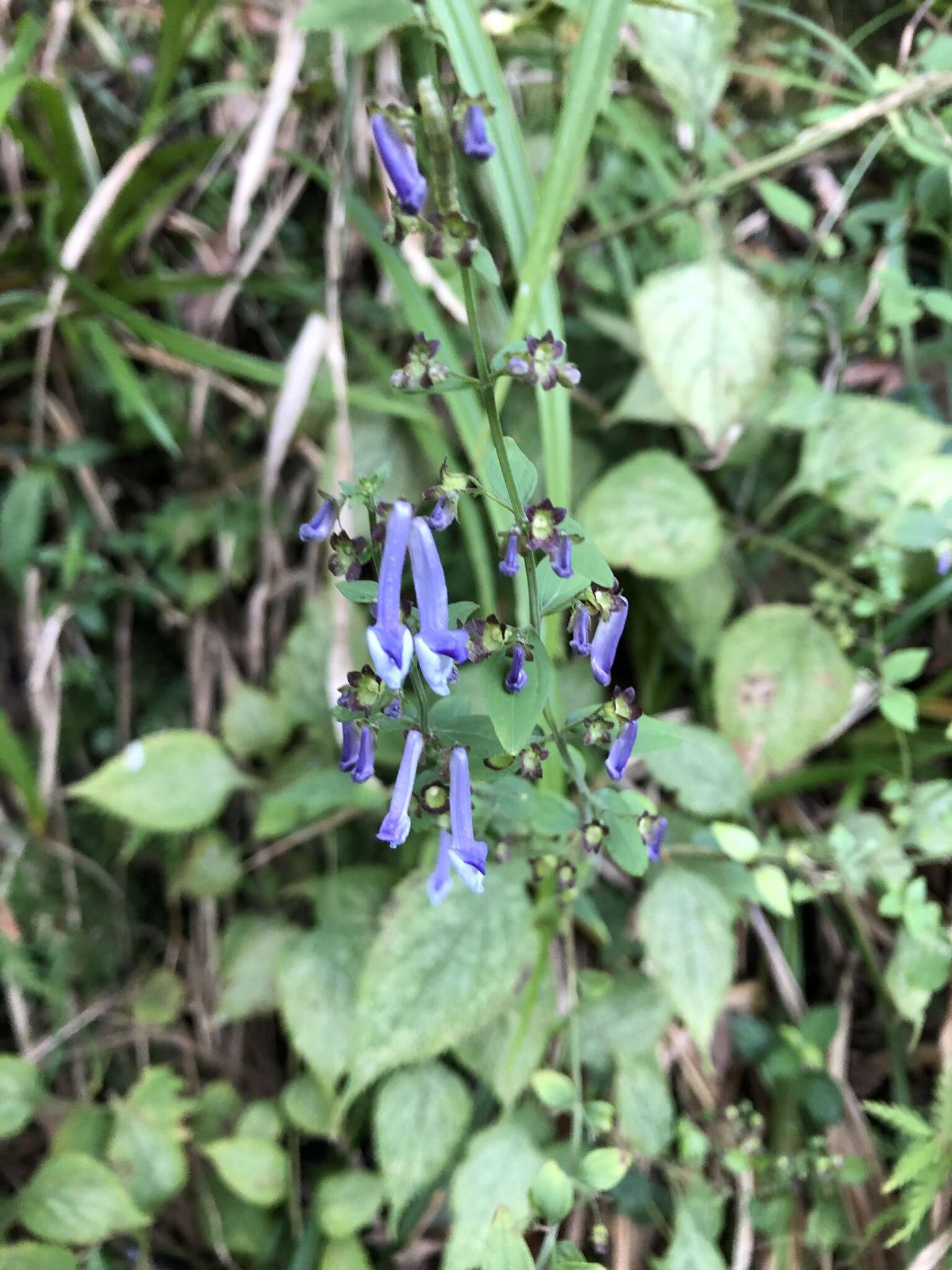
Encyclopedia of Life · EOL (see source)
Isodon
Sign in to saveIsodon (teacost) is a genus of flowering plants in the family Lamiaceae described in 1840. It is native to tropical and subtropical parts of the Old World, primarily Asia but two species are from Africa. Many of the species are endemic to China, where it is called xiangchacai or "fragrant tea". In China, a rapid radiation of Isodon occurred during the Pliocene that coincided with a shift from herbs inhabiting humid areas to shrubs inhabiting dry valleys.
Species
ヤマハッカ属(ヤマハッカぞく、学名:Isodon、シノニム:Rabdosia、和名漢字表記:山薄荷属)はシソ科の属の一つ。
via · Kew POWO
Museum specimens
- Specimen records
- 109
- With media
- 84
- Family
- Lamiaceae
- Collections
- CAS, MU, BRIT, ANSP, A, NY
- Recorded in
- China, Vietnam, India, Indonesia, Laos, Angola
Research
678 papers- Isodon rubescens (Hemls.) Hara.: A Comprehensive Review on Traditional Uses, Phytochemistry, and Pharmacological Activities.Frontiers in pharmacology · 2022
- Diterpenoids from Isodon species: an update.Natural product reports · 2017
- Diterpenoids from Isodon species and their biological activities.Natural product reports · 2006
- Anti-Inflammatory ent-Kaurane Diterpenoids from Isodon serra.Journal of natural products · 2020
- Two new terpenoid glycosides from Isodon macrocalyx.Natural product research · 2024
via PubMed
~1 min read
Encyclopedic overview
1 sectionsContents
- References
Isodon (teacost) is a genus of flowering plants in the family Lamiaceae described in 1840. It is native to tropical and subtropical parts of the Old World, primarily Asia but two species are from Africa. Many of the species are endemic to China, where it is called xiangchacai or "fragrant tea". In China, a rapid radiation of Isodon occurred during the Pliocene that coincided with a shift from herbs inhabiting humid areas to shrubs inhabiting dry valleys. Species
==References==
Excerpted from Wikipedia’s “Isodon” article, available under the CC BY-SA 4.0 licence.