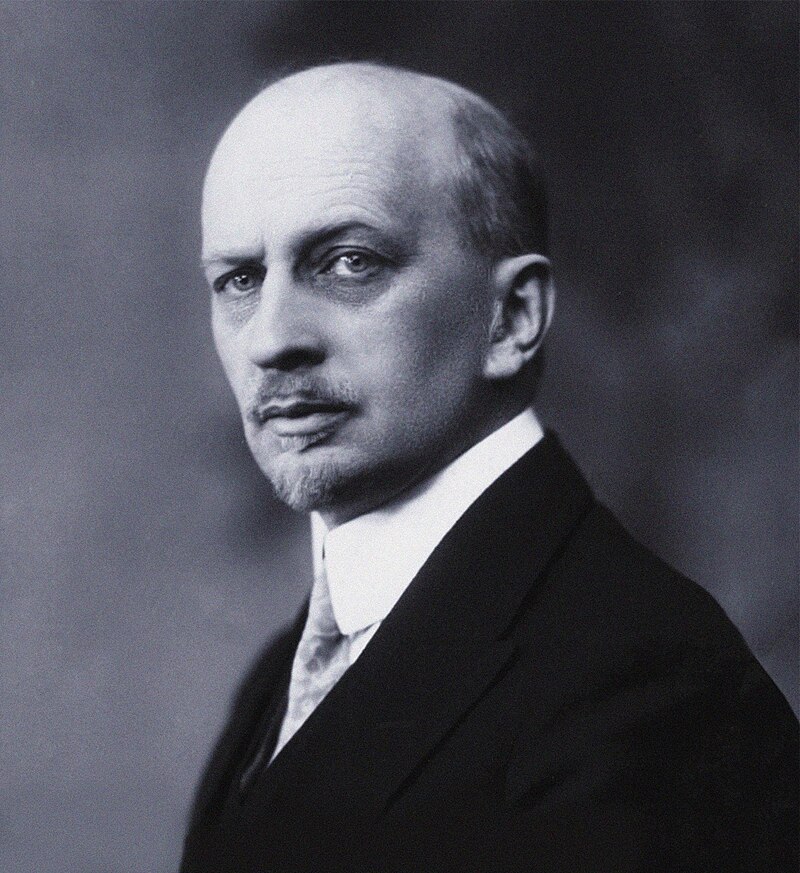
File:Iljin02.jpg · Wikimedia Commons · See Wikimedia Commons
Ivan Ilyin
Sign in to saveAlso known as Ivan Alexandrovich Ilyin
Russian political philosopher (1883–1954)
Key facts
- Born
- ( 1883-04-09 ) 9 April 1883, Moscow , Moscow Governorate , Russian Empire
- Died
- 21 December 1954 (1954-12-21) (aged 71), Zollikon , Switzerland
- Alma mater
- Moscow State University
- Era
- 20th-century philosophy
- Region
- Political and religious philosophy
via Wikipedia infobox
Wikidata facts
- Instance of
- human
- Given name
- Ivan
- Gender
- male
- Citizenship
- Switzerland
- Place of birth
- Moscow
- Place of death
- Zollikon
- Occupation
- jurist
- Educated at
- Lomonosov Moscow State University
- Languages spoken
- German
- Native language
- Russian
- Student of
- Pavel Novgorodtsev
- Field of work
- opinion journalism
- Image
- Iljin02.jpg
- Work location
- Moscow
- Political ideology
- Russian fascism
Show 7 more facts
- date of birth
- 1883-03-28
- date of death
- 1954-12-21
- place of burial
- Donskoy Monastery
- Commons category
- Ivan Ilyin
- allegiance
- Nazi Germany
- writing language
- Russian
- time period
- contemporary philosophy
via Wikidata · CC0
~40 min read
Encyclopedic overview
Ivan Alexandrovich Ilyin (Russian: Иван Александрович Ильин, romanized: Ivan Aleksandrovich Il'in; 9 April [O.S. 28 March] 1883 – 21 December 1954) was a Russian jurist, religious and political philosopher, publicist, orator, and a far-right thinker.
Ilyin began his career as a political writer during the failed 1905 Russian Revolution; by the February Revolution of 1917, which he later saw as a "temporary disorder", he shifted towards liberalism, and by October he became a radical right opponent of democracy. October Revolution, in his view, marked a "national catastrophe". This conviction led him to oppose the Bolshevik regime. As a white émigré journalist, he aligned himself with Slavophile beliefs and emerging as a key ideologue of the Russian All-Military Union. This organization firmly believed that force stood as the sole means through which the Soviet regime could be toppled.
Excerpted from Wikipedia’s “Ivan Ilyin” article, available under the CC BY-SA 4.0 licence.