Described at
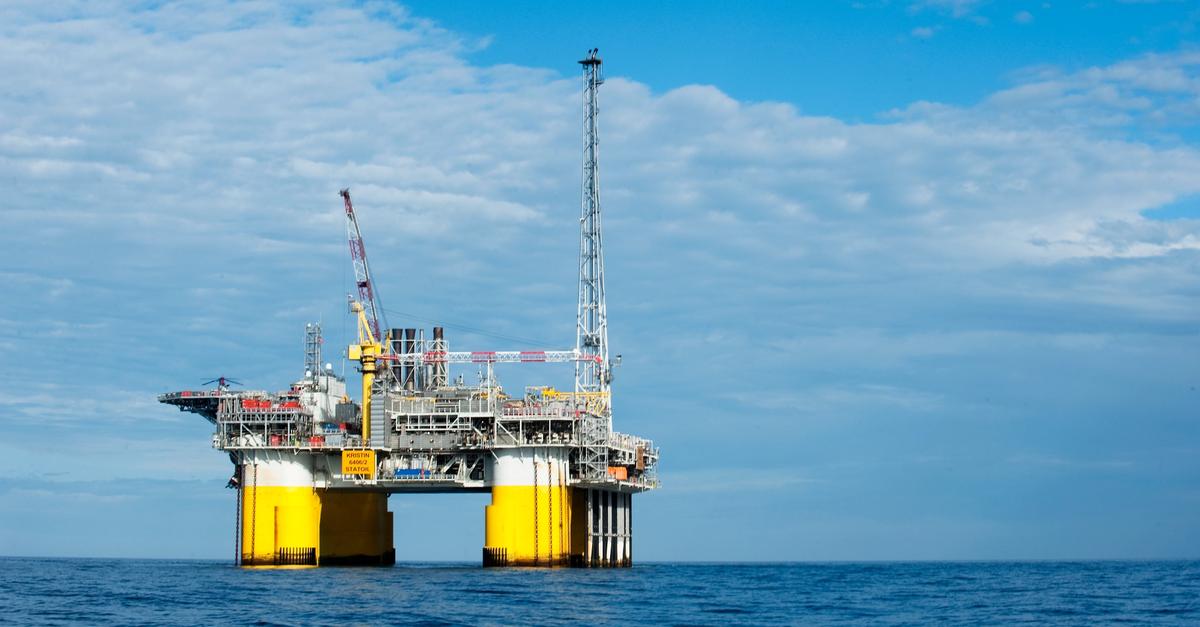
Kristin - a gas and condensate field in the Norwegian Sea - Equinor
The Kristin field is located in the south-western part of the Halten Bank in the Norwegian Sea. It is s located almost 5,000 metres below ground.
equinor.com →jStorage Registers a unique ID for the visitor in order for the website to recognize the visitor upon re-entry. AWSALB Registers which server-cluster is serving the visitor. This is used in context with load balancing, in order to optimize user experience. AWSALBCORS Registers which server-cluster is serving the visitor. This is used in context with load balancing, in order to optimize user experience. keyval-store keyval Used to maintain visitors' preferences throughout the visit and sub-pages. heat.aspx Collects data on the user’s navigation and behavior on the website. This is used to compile statistical reports and heatmaps for the website owner. image.aspx Registers statistical data on users' behaviour on the website. Used for internal analytics by the website operator. vuid Collects data on the user's visits to the website, such as which pages have been read. LOCAL STORAGE ID PICOX ID Used to track user’s interaction with embedded content. LOCAL STORAGE ID VIMEO PLAYER Used to track user’s interaction with embedded content. PLAYER PICOX SAMPLING SEED Used to track user’s interaction with embedded content. LAST RESULT ENTRY KEY Used to track user’s interaction with embedded content. ServiceWorkerLogsDatabase SWHealthLog Necessary for the implementation and functionality of YouTube video-content on the website. VISITOR INFO1 LIVE Tries to estimate the users' bandwidth on pages with integrated YouTube videos. YSC Registers a unique ID to keep statistics of what videos from YouTube the user has seen. yt-icons-last-purged Necessary for the implementation and functionality of YouTube video-content on the website. Located in the southwestern part of Haltenbanken in the Norwegian Sea the Kristin gas and condensate field came on stream on Tuesday 3 November 2005. Discovered in 1997 the Kristin field was approved for development and production on 17 December 2001. Equinor took over the operatorship from the initial operator, Saga Petroleum, on 1 January 2000. The field development concept consists of four 4-slot subsea templates tied back to a semi-submersible production platform for processing. Light oil is separated and stabilised at Kristin, and transferred to Åsgard C for storage and shipment. Kristin is a host platform for Tyrihans (Equinor-operated) and Maria (Wintershall-operated). The fields came on stream in 2009 and 2017 respectively. Located at a depth of almost 5000 metres the reservoir pressure and temperature, at 900 bars and 180 degrees Celsius respectively, were higher than in any other field developed so far on the Norwegian continental shelf. The production capacity at Kristin is 125,000 barrels of condensate and just over 18 million cubic metres of rich gas per day. In 2014 low-pressure production started at Kristin, adding a couple of hundred million barrels from Kristin and Tyrians, thus extending the field’s economic life. The Wintershall-operated Maria field at Haltenbanken came on stream on 16 December 2017. Located some 20 kilometres east of Kristin and 45 kilometres south of Heidrun, the field was discovered in 2010. Total production is estimated at around 180 million barrels of recoverable oil. The Maria development concept includes a subsea facility tied back to three Equinor-operated platforms; Kristin, Heidrun and Åsgard B, via Tyrihans. By being tied back to existing infrastructure and with a planned production period of 25 years Maria will help extend the productive lives of several other fields. Back in June 2021 Equinor and the partners Petoro, Vår Energi and Total Energies submitted the plan for development and operation of the Lavrans and Kristin Q discoveries as satellites to the Kristin field. This is the first phase of the Kristin South project. The plan for development and operation of the Kristin South project is also a possible next phase for Lavrans, in addition to possible development of the Erlend and Ragnfrid discoveries.
Excerpt from a page describing this subject · 17,915 chars · not written by Vinony