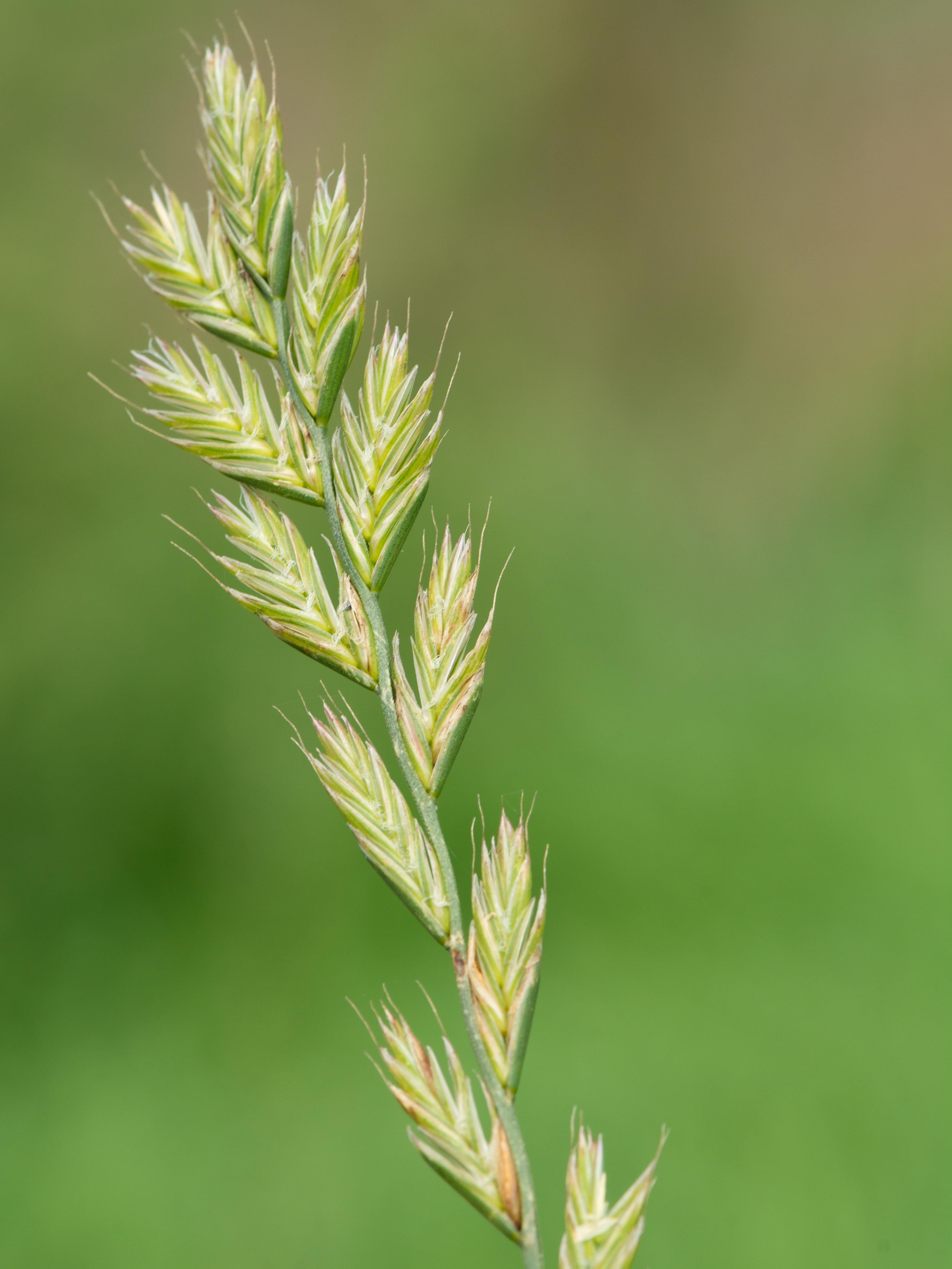
Image from GBIF · CC BY-NC
OverviewAI-generated
*Lolium multiflorum*, commonly known as Italian Rye Grass, is a species of plant in the family Poaceae. It belongs to the genus *Lolium* and is classified within the order Poales and class Liliopsida. The species is accepted by taxonomic authorities and has been assessed as Least Concern by the IUCN Red List in 2011.
The plant has a distribution that includes Shanghai, Fujian, and Tianjin in China, where it is considered invasive in Shanghai. It is also found in Africa, Europe, and Southwest Asia. *Lolium multiflorum* can reach heights of 1 to 2 meters and grows in various soil types. It is utilized as fodder.
Synthesized by Vinony from 41 facts across 9 sources: Wikidata, GBIF, Gbif Occ, Encyclopedia of Life, Plants of the World, IUCN Red List, WoRMS, iDigBio, Vinony graph. Generated from structured data (not the Wikipedia text) and checked against those facts — may still contain errors.
Species
Least ConcernSPECIES
- KingdomPlantae
- PhylumTracheophyta
- ClassLiliopsida
- OrderPoales
- FamilyPoaceae
意大利黑麦草(学名:Lolium multiflorum),也称多花黑麦草,在非洲、欧洲和西南亚地区都有分布。该种高度可达1至2米,在多种土壤中都能生长,是一种常见的人工牧草。
via GBIF · IUCN · Kew POWO
Museum specimens
- Specimen records
- 6,521
- With media
- 4,388
- Family
- Poaceae
- Collections
- IBUNAM, FCN-UAQ, ENCB-IPN, UAAAN, IB-CUCBA-UDG, CP
- Recorded in
- Mexico
Wikidata facts
Show 10 more facts
Sources (9)
via Wikidata · CC0
~2 min read
Encyclopedic overview
Lolium multiflorum (Italian rye-grass, annual ryegrass) is a ryegrass native to temperate Europe, though its precise native range is unknown.
It is a herbaceous annual, biennial, or perennial grass, depending on the environmental conditions. Italian ryegrass is grown for silage, and as a cover crop. It is also grown as an ornamental grass. It readily naturalizes in temperate climates, and can become a noxious weed in arable areas and an invasive species in native habitats. Resistance to multiple herbicides, including those from the ESPS and ACcase groups, has been identified in wild populations of L. multiflorum.
Excerpted from Wikipedia’s “Lolium multiflorum” article, available under the CC BY-SA 4.0 licence.