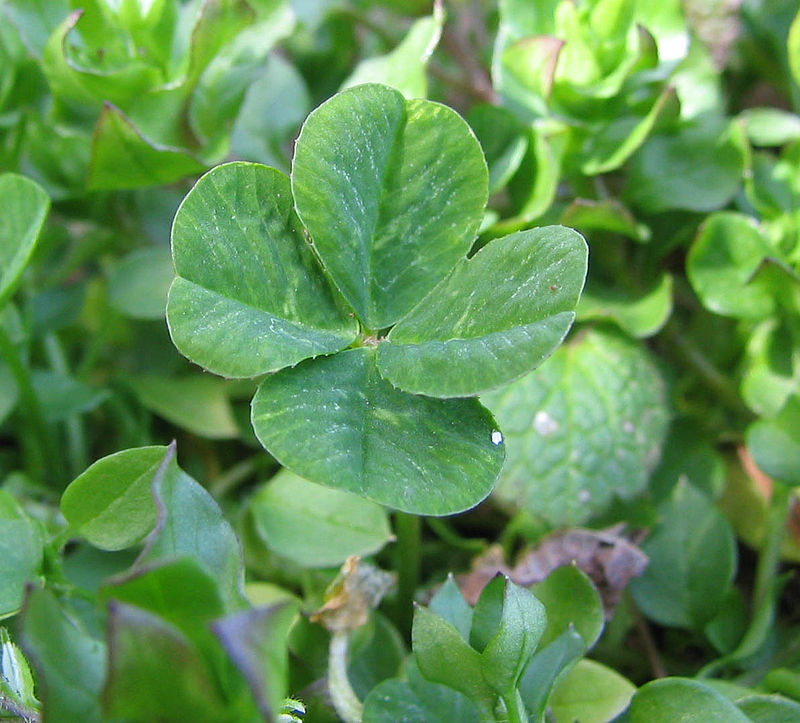
File:Four-leaf_clover.jpg · Wikimedia Commons · See Wikimedia Commons
Luck refers to events that occur by chance rather than through deliberate action or skill, and people often associate certain objects or symbols—like four-leaf clovers—with bringing good or bad fortune. It matters because people's beliefs about luck influence how they interpret random events in their lives and the decisions they make.
AI-generated from the Wikipedia summary — may contain errors.
Wikidata facts
- Part of
- superstition
- Image
- A postcard illustrating a soldier sending good luck and wish Wellcome V0016596.jpg
- Said to be same as
- fortune
Show 5 more facts
- Commons category
- Luck
- different from
- Fortune
- topic's main category
- Category:Luck
- has cause
- chance
- described by source
- Encyclopædia Britannica 11th edition
Sources (3)
via Wikidata · CC0
Article · Português
A definição de sorte costuma variar conforme o contexto emocional, filosófico, religioso ou místico, de quem a interpreta. Segundo o clássico dicionário Noah Webster, sorte é "uma força sem propósito, imprevisível e incontrolável, que modela eventos de forma favorável ou não para determinado indivíduo, grupo ou causa". Já o autor Max Gunther a define como "evento ou série de eventos, aparentemente fora de nosso controle, que influencia(m) nossas vidas". Em português, a palavra que designa especificamente má sorte, ou sorte desfavorável, é "azar".
Abstract from DBpedia / Wikipedia · CC BY-SA