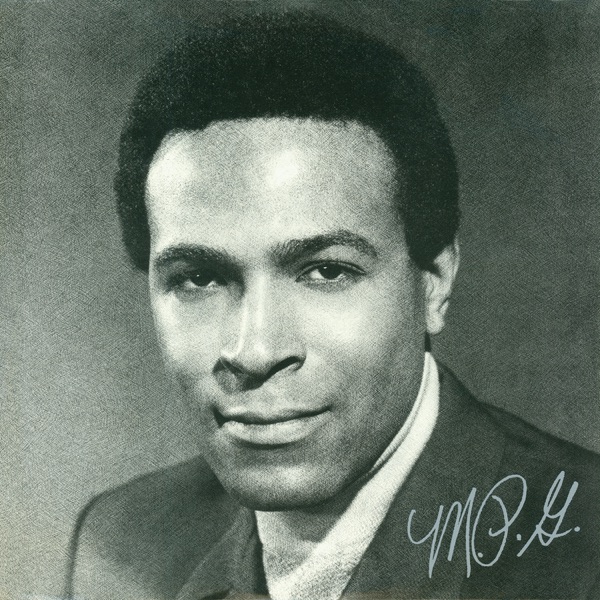
iTunes — Marvin Gaye · ℗ 2014 Motown Records, a Division of UMG Recordings, Inc.
M.P.G.
Sign in to saveM.P.G. is the ninth studio album by American soul musician Marvin Gaye, released in 1969 for the Tamla label. His best-selling album of the 1960s, it became Gaye's first solo album to reach the Top 40 on the Billboard Pop Albums chart, peaking at No. 33, and also became his first No. 1 album on the Soul Albums Chart. Three Top 40 hits were released from the album. The title matches the initials of Gaye's full name, Marvin Pentz Gay.

Listeners · Last.fm
- Listeners
- 216
- Total plays
- 748
<a href="https://www.last.fm/music/M.P.G.">Read more on Last.fm</a>
via Last.fm · M.P.G.
Wikidata facts
- Instance of
- album
- Genre
- soul
- Producer
- Norman Whitfield
- Performer
- Marvin Gaye
- Record label
- Motown
Show 2 more facts
- language of work or name
- English language
- publication date
- 1969-00-00
via Wikidata · CC0
~2 min read
Encyclopedic overview
5 sectionsContents
- Production
- Release and reception
- Track listing
- Personnel
- References
M.P.G. is the ninth studio album by American soul musician Marvin Gaye, released in 1969 for the Tamla label. His best-selling album of the 1960s, it became Gaye's first solo album to reach the Top 40 on the Billboard Pop Albums chart, peaking at No. 33, and also became his first No. 1 album on the Soul Albums Chart. Three Top 40 hits were released from the album. The title matches the initials of Gaye's full name, Marvin Pentz Gay.
==Production== Norman Whitfield provided the compositions "Too Busy Thinking About My Baby" (originally recorded by labelmates the Temptations), "That's The Way Love Is" (originally recorded by the Isley Brothers) and a cover of Gladys Knight & the Pips' "The End of Our Road". The singles "Too Busy Thinking About My Baby", the longest-running No. 1 hit on the R&B charts in 1969 and a No. 4 Pop hit, and "That's The Way Love Is" (No. 2 and No. 7 on the soul and pop charts, respectively) became consecutive million-sellers. These records were among Whitfield's many psychedelic soul productions of the time, and recalled the arrangement of Gaye's No. 1 hit "I Heard It Through the Grapevine".
Excerpted from Wikipedia’s “M.P.G.” article, available under the CC BY-SA 4.0 licence.