Encyclopedia of Life · EOL (see source)
Maclura
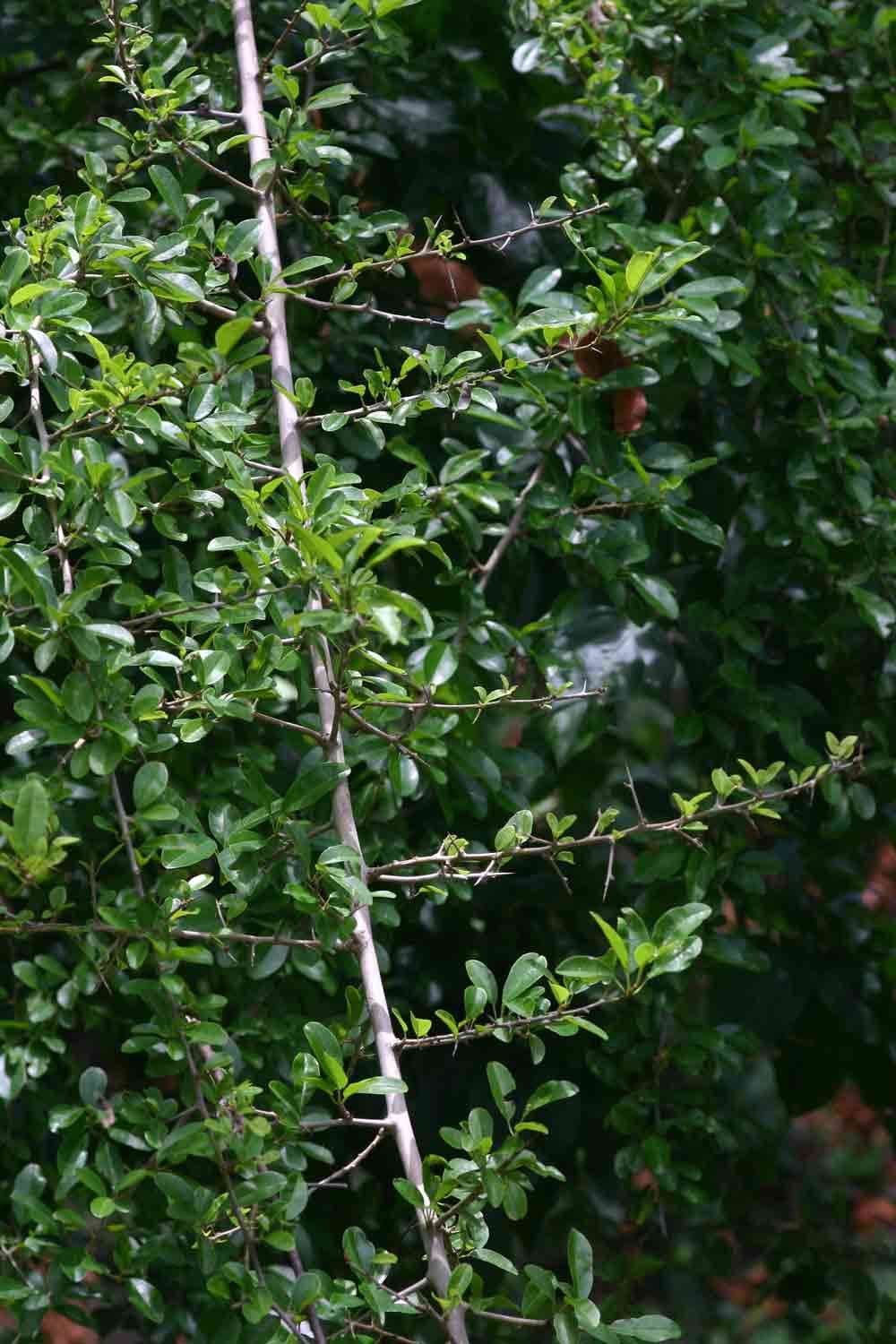
Sign in to saveMaclura is a genus of flowering plants in the mulberry family, Moraceae. It includes the inedible Osage orange, which is used as mosquito repellent and grown throughout the United States as a hedging plant. It is dioecious, with male and female flowers borne on separate plants.
Species
GENUS
- KingdomPlantae
- PhylumTracheophyta
- ClassMagnoliopsida
- OrderRosales
- FamilyMoraceae
Die Pflanzengattung Maclura gehört zur Familie der Maulbeergewächse (Moraceae).
via GBIF · Kew POWO
Museum specimens
- Specimen records
- 148
- With media
- 70
- Family
- Moraceae
- Collections
- UNICACH, ANSP, MICH, CAS, NY, BRIT
- Recorded in
- Mexico, Thailand, Papua New Guinea, United States, Brazil, Philippines, China, India
Research
357 papers- Biological Application of the Allopathic Characteristics of the Genus Maclura: A Review.Plants (Basel, Switzerland) · 2023
- Pharmacological properties of extracts and prenylated isoflavonoids from the fruits of Osage orange (Maclura pomifera (Raf.) C.K.Schneid.).Fitoterapia · 2024
- Maclura cochinchinensis (Lour.) Corner Heartwood Extracts Containing Resveratrol and Oxyresveratrol Inhibit Melanogenesis in B16F10 Melanoma Cells.Molecules (Basel, Switzerland) · 2024
- Antidiabetic effects of Maclura cochinchinensis (Lour.) corner heartwood extract.Journal of traditional and complementary medicine · 2021
- Flavonoids from Maclura tinctoria.Phytochemistry · 1999
via PubMed
Wikidata facts
Show 7 more facts
- taxon rank
- genus
- taxon name
- Maclura
- Commons category
- Maclura
- topic's main category
- Category:Maclura
- Commons gallery
- Maclura
- taxon common name
- 柘属
Sources (3)
via Wikidata · CC0
~2 min read
Encyclopedic overview
6 sectionsContents
- Species
- Formerly placed here
- Etymology
- Fossil record
- References
- External links
Maclura is a genus of flowering plants in the mulberry family, Moraceae. It includes the inedible Osage orange, which is used as mosquito repellent and grown throughout the United States as a hedging plant. It is dioecious, with male and female flowers borne on separate plants.
Maclura is closely related to the genus Cudrania, and hybrids between the two genera have been produced. Some botanists recognize a more broadly defined Maclura that includes species previously included in Cudrania and other genera of Moraceae. The genus likely originated in South America during the Paleogene.
Excerpted from Wikipedia’s “Maclura” article, available under the CC BY-SA 4.0 licence.