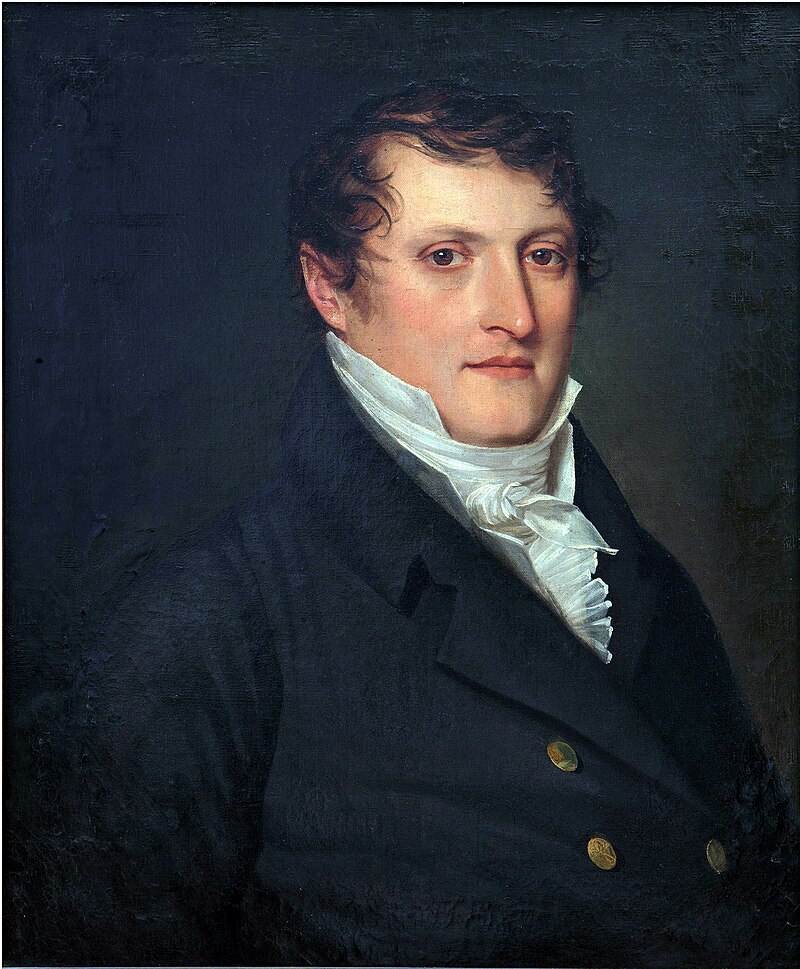
File:Manuel_belgrano_by_carbonier_retouched.jpg · Wikimedia Commons · See Wikimedia Commons
Manuel Belgrano
Sign in to saveAlso known as Manuel Jose Joaquin del Corazon de Jesus Belgrano y Gonzalez
Argentine politician and military leader
OverviewAI-generated
Manuel Belgrano was an Argentine lawyer, journalist, economist, and politician. Born in Buenos Aires in 1770, he received his education at the University of Salamanca and the University of Valladolid. A practitioner of political Catholicism, he served as a general during the Argentine War of Independence, the Paraguay campaign, and the British invasions of the River Plate. He died in Buenos Aires in 1820 due to edema and is buried at the Santo Domingo convent.
Belgrano authored four works, including *Autobiografía*, *Obras*, *Documentos del archivo de Belgrano*, and *Fragmentos autobiográficos (Memoria)*. He spoke Spanish and is described in sources such as *Svensk uppslagsbok* and *Appletons' Cyclopædia of American Biography*.
Synthesized by Vinony from 21 facts across 2 sources: Wikidata, Open Library. Generated from structured data (not the Wikipedia text) and checked against those facts — may still contain errors.
Person · Open Library
- Works
- 4
Top works
- Autobiografía
- Obras
- Documentos del archivo de Belgrano
- Fragmentos autobiográficos (Memoria)
via Open Library + Wikidata
Key facts
- Born
- Manuel José Joaquín del Corazón de Jesús Belgrano , ( 1770-06-03 ) 3 June 1770, Buenos Aires , Governorate of the Rio de la Plata , Viceroyalty of Peru (now Argentina )
- Died
- 20 June 1820 (1820-06-20) (aged 50), Buenos Aires, United Provinces of the Río de la Plata
- Party
- Carlotism (1808-1810), Patriot
- Domestic partner s
- María Josefa Ezcurra, María Dolores Helguero
- Alma mater
- University of Valladolid
- Profession
- Lawyer
- Allegiance
- United Provinces of South America
- Years of service
- 1810–1819
- Commands
- Paraguay campaign Army of the North Regiment of Patricios
- Battles wars
- Argentine War of Independence Paraguay campaign Battle of Campichuelo Battle of Paraguarí Battle of Tacuarí Battle of Tucumán Battle of Salta Battle of Vilcapugio Battle of Ayohuma
via Wikipedia infobox
Wikidata facts
- Instance of
- human
- Given name
- Manuel
- Gender
- male
- Citizenship
- Argentina
- Place of birth
- Buenos Aires
- Place of death
- Buenos Aires
- Occupation
- jurist
- Educated at
- University of Valladolid
- Languages spoken
- Spanish
- Religion
- Catholicism
- Military rank
- general
- Image
- Manuel belgrano by carbonier retouched.jpg
- Political ideology
- political Catholicism
Show 9 more facts
- Commons category
- Manuel Belgrano
- date of birth
- 1770-06-03
- date of death
- 1820-06-20
- place of burial
- Santo Domingo convent
- topic's main category
- Category:Manuel Belgrano
- described by source
- Appletons' Cyclopædia of American Biography
- Commons gallery
- Manuel Belgrano
- cause of death
- edema
- Commons Creator page
- Manuel Belgrano
Sources (7)
via Wikidata · CC0
~40 min read
Encyclopedic overview
Manuel José Joaquín del Corazón de Jesús Belgrano (3 June 1770 – 20 June 1820), usually referred to as Manuel Belgrano ( Spanish pronunciation: [maˈnwel βelˈɣɾano]), was an Argentine public servant, economist, lawyer, politician, journalist, and military leader. He took part in the Argentine Wars of Independence and designed what became the flag of Argentina. Argentines regard him as one of the main Founding Fathers of the country. He was also a supporter of free trade.
Belgrano was born in Buenos Aires, the fourth child of Italian businessman Domingo Belgrano y Peri and of María Josefa González Casero. He came into contact with the ideas of the Age of Enlightenment while at university in Spain around the time of the 1789 French Revolution. In 1794 he returned to the Viceroyalty of the Río de la Plata, where he became a notable member of the criollo population of Buenos Aires; he tried to promote some of the new political and economic ideals, but found severe resistance from local peninsulares. This rejection led him to work towards a greater autonomy for his country from the Spanish colonial regime. At first he unsuccessfully promoted the aspirations of Carlota Joaquina to become a regent ruler for the Viceroyalty during the period when the French imprisoned the Spanish King Ferdinand VII during the Peninsular War (1807–1814). Belgrano favoured the May Revolution, which removed the viceroy Baltasar Hidalgo de Cisneros from power on 25 May 1810. He was elected as a voting member of the Primera Junta that took power after the ouster.
Excerpted from Wikipedia’s “Manuel Belgrano” article, available under the CC BY-SA 4.0 licence.