Longino, John T.
Megalomyrmex
Sign in to saveMegalomyrmex is a genus of ant in the subfamily Myrmicinae. The genus is known only from the Neotropics, where some of the species are specialized parasites or predators of Attini.
Species
GENUS
- KingdomAnimalia
- PhylumArthropoda
- ClassInsecta
- OrderHymenoptera
- FamilyFormicidae
Itapúa (ALWC).
via GBIF
Museum specimens
- Specimen records
- 165
- With media
- 3
- Family
- Formicidae
- Collections
- INECOL, MHNCA, UTEP, CAS
- Recorded in
- Mexico, Costa Rica, Peru, Trinidad And Tobago, Ecuador, Guatemala, Colombia
Wikidata facts
- Instance of
- taxon
- Parent taxon
- Solenopsidini
- Image
- Megalomyrmex.symmetochus.-.wheeler.svg
Show 4 more facts
- Commons category
- Megalomyrmex
- taxon name
- Megalomyrmex
- taxon rank
- genus
- topic's main category
- Category:Megalomyrmex
Sources (1)
via Wikidata · CC0
~5 min read
Encyclopedic overview
5 sectionsContents
- Description
- Distribution and habitat
- Species
- References
- External links
Megalomyrmex is a genus of ant in the subfamily Myrmicinae. The genus is known only from the Neotropics, where some of the species are specialized parasites or predators of Attini.
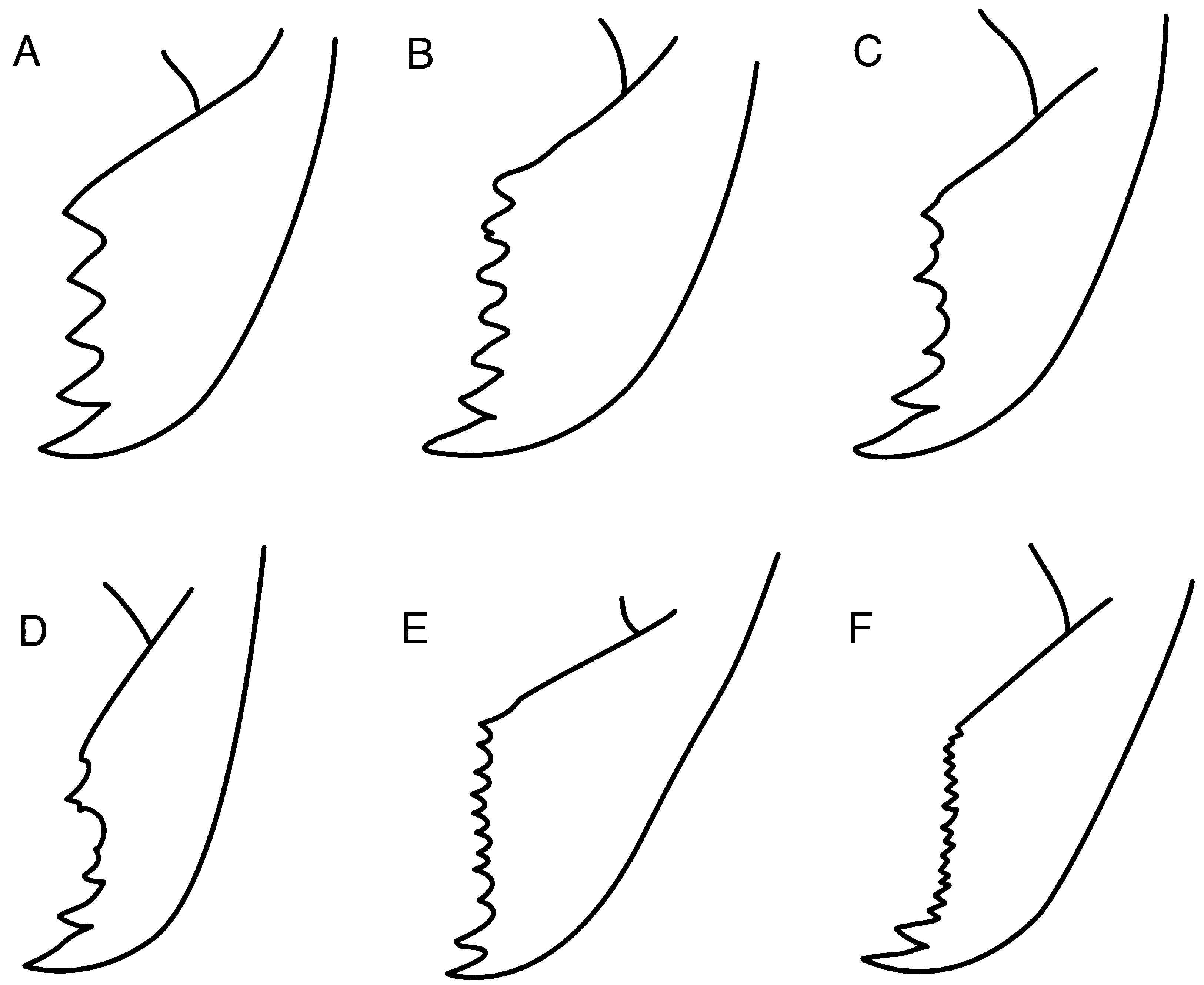
==Description== thumb|right|M. leoninus antweb.org specimen It is difficult to characterize morphologically. Bolton (2003) placed it in the tribe Solenopsidini, but with multiple exceptions to the diagnostic characters for the tribe. The tribal characters include a bicarinate clypeus and a median clypeal seta. Most Megalomyrmex species have a smoothly convex clypeus with no trace of the bicarinate condition, and most have abundant clypeal setae with no distinct or differentiated median seta. In Bolton's (1994) key to genera, Megalomyrmex keys in multiple places because of variability in mandibular dentition. Nevertheless, the genus has a distinctive habitus: the antenna is 12-segmented with a 3-segmented club; the general integument is smooth and shiny without coarse sculpture or dull areas; the promesonotum is evenly arched, without promesonotal groove; the propodeum is usually smoothly curved between dorsal and posterior faces, at most with blunt, broad-based tubercles, and never with spines; and the hind tibial spur is simple. In short, the workers look like a Solenopsis with Pheidole antennae. The mandibular dentition varies from a simple set of 5 similar teeth on the masticatory margin, gradually diminishing in size basally, to a condition with 2 large apical teeth followed by up to 12 small denticles.
Excerpted from Wikipedia’s “Megalomyrmex” article, available under the CC BY-SA 4.0 licence.
Gallery (4)
Available in 12 languages
via Wikidata sitelinks · CC0