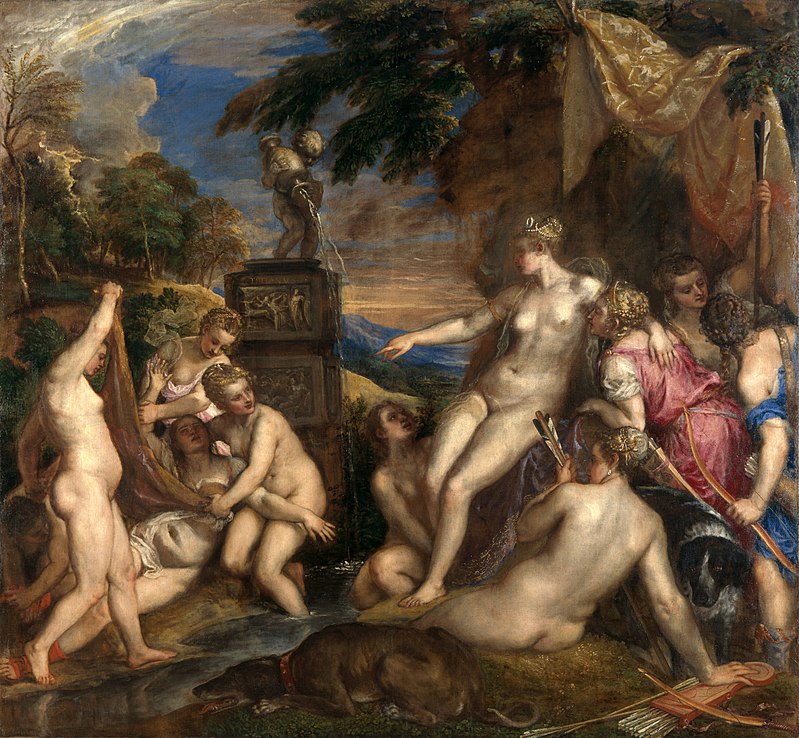
File:TitianDianaCallistoEdinburgh.jpg · Wikimedia Commons · See Wikimedia Commons
I don't have sufficient context to write an accurate overview. The image caption you've provided only describes a title page from a 1556 edition without explaining what "Metamorphoses" actually contains or why it matters. To write a faithful overview based solely on the context given, I would need additional information about the work's content, author, and significance.
AI-generated from the Wikipedia summary — may contain errors.
Book · Open Library
- Author
- Ovid
- First published
- 1479
- Editions
- 499
- Subjects
- Poetry, Classical Mythology, Metamorphosis, Mythology, Latin Fables, Translations into English, Translations into Italian, Translations into French
via Open Library
Key facts
- Poem.first
- 8 CE
- Poem.language
- Latin
- Poem.name
- Metamorphoses
- Poem.image
- Ovidius Naso - Metamorphoses, del MCCCCLXXXXVII Adi X del mese di aprile - 1583162 Carta a1r.jpeg
- Poem.caption
- Page from the edition of Ovid's Metamorphoses published by Lucantonio Giunti in Venice, 1497
- Poem.author
- Ovid
- Poem.original_title
- Metamorphoses
- Poem.genre
- Narrative poetry, epic, elegy, tragedy, pastoral (see Contents)
- Poem.meter
- Dactylic hexameter
- Poem.publication_date
- 1471
- Poem.media_type
- Incunable
- Poem.lines
- 11,995
- Poem.wikisource
- Metamorphoses
via Wikipedia infobox
Wikidata facts
- Instance of
- literary work
- Author
- Ovid
- Genre
- epic poem
- Country of origin
- Roman Empire
- Main subject
- Roman mythology
- Image
- Hayden White 11.jpg
Show 14 more facts
- language of work or name
- Classical Latin
- Commons category
- Metamorphoses (Ovid)
- title
- Metamorfozy albo Złoty osioł
- topic's main category
- Category:Metamorphoses
- derivative work
- Boreas Abducting Oreithyia
- characters
- Daedalus
- different from
- The Metamorphosis
- inception
- 0001-00-00
- form of creative work
- poem
- entry in abbreviations table
- Ov. Met.
- on focus list of Wikimedia project
- Wikipedia:Vital articles/Level/4
- first line
- In nova fert animus mutatas dicere formas
- copyright status
- public domain
- last line
- si quid habent veri vatum praesagia, vivam.
via Wikidata · CC0
Article · Deutsch
Die Metamorphosen (lateinisch Metamorphoses „Verwandlungen“ oder Metamorphoseon libri „Bücher der Verwandlungen“) des römischen Dichters Publius Ovidius Naso, geschrieben vermutlich um das Jahr 1 n. Chr. bis 8 n. Chr., sind ein in Hexametern verfasstes mythologisches Gedicht über Metamorphosen (altgriechisch μεταμόρφωσις metamórphosis „Verwandlung in eine andere Gestalt“). In 15 Büchern zu je etwa 700 bis 900 Versen wird die Geschichte der Welt von ihren Anfängen bis hin zur Gegenwart des Dichters erzählt und in rund 250 Einzelsagen aus der römischen und griechischen Mythologie mit hohem künstlerischen Esprit dargestellt. Von ihrem Erscheinen an sind die Metamorphosen eine der populärsten Mythendichtungen überhaupt und sicherlich die den mittelalterlichen Schriftstellern und Dichtern am besten bekannte. Der Einfluss dieses Werks auf die Literatur nachfolgender Zeiten sowie auf die bildende Kunst des Mittelalters, des Barock bis hin zu der der Neuzeit ist enorm. Thematischer Kern ist das in Mythen häufig anzutreffende Verwandlungsmotiv, worin meist ein Mensch oder ein niederer Gott in eine Pflanze, ein Tier oder ein Sternbild (Katasterismos) verwandelt wird. Das Werk beginnt mit einem Proömium, setzt an bei der Entstehung der Welt aus dem Chaos und endet bei der Verwandlung von Caesars Seele in einen Stern, woran noch eine Anrufung an Augustus und ein Epilog anschließen. Die logische Verknüpfung der oftmals thematisch nicht zusammengehörigen Einzelgeschichten erfolgt durch . Behandelt werden sowohl zentrale Geschichten und Figuren der Mythologie (z. B. Kosmogonie, Herakles, trojanischer Krieg) als auch eher abgelegene Mythen. Manche Metamorphosen werden sogar nur ganz knapp angedeutet oder nebenbei erwähnt (z. B. bei Medeas Rundflug über die Ägäis im siebten Buch). Sprachlich zeichnet sich das Gedicht durch ein großes erzählerisches Variationsbestreben und einen hohen künstlerischen Anspruch aus, sodass je nach Thema elegische, epische, tragische, komische oder sogar groteske Töne anklingen können. Aufgrund dieser Mischung aus epischer Form, stofflicher Vielfalt und dichterischer Eleganz werden die Metamorphosen als Epos sui generis („von ganz eigener Art“) bezeichnet.
Abstract from DBpedia / Wikipedia · CC BY-SA
Gallery (23)
Available in 66 languages
- Español
- Français
- Deutsch
- 中文
- 日本語
- Русский
- Português
- Italiano
- العربية
- Afrikaans
- Albanian
- Aragonese
- Asturian
- Azerbaijani
- Bahasa Indonesia
- Bangla
- Basque
- Bosnian
Show 47 more
- Breton
- Bulgarian
- Catalan
- Croatian
- Czech
- Danish
- Egyptian Arabic
- Esperanto
- Estonian
- Finnish
- Galician
- Georgian
- Greek
- Hebrew
- Hungarian
- Icelandic
- Ido
- Interlingua
- Latin
- Latvian
- Lithuanian
- Macedonian
- Malay
- Malayalam
- Nederlands
- Norwegian
- Occitan
- Polski
- Punjabi
- Romanian
- Serbian
- Serbian (Latin)
- simple
- Slovenian
- Svenska
- Tibetan
- Tiếng Việt
- Türkçe
- Ukrainian
- Urdu
- Waray
- Western Frisian
- Wu Chinese
- zh_yue
- فارسی
- ไทย
- 한국어
via Wikidata sitelinks · CC0