Profile via TMDB · Courtesy of TMDB
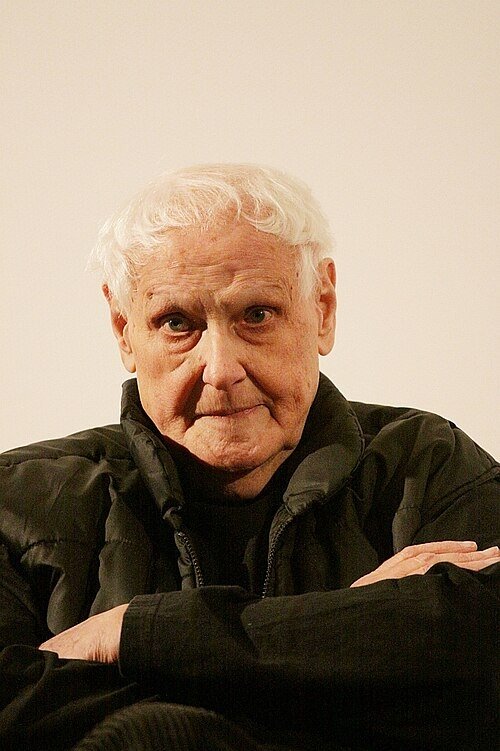
Miklós Jancsó
Sign in to saveAlso known as Miklos Jancsó, Jancsó Miklós, Miklos Jancso, Jancso Miklos
Hungarian film director and screenwriter (1921–2014)
Film & TV
Vác, Hungary
Miklós Jancsó (27 September 1921 – 31 January 2014) was a Hungarian film director and screenwriter. Jancsó achieved international prominence from the mid-1960s onwards, with works including The Round Up (Szegénylegények, 1965), The Red and the White (Csillagosok, katonák, 1967) and Red Psalm (Még kér a nép, 1971). Jancsó's films are characterized by visual stylization, elegantly choreographed…
Known for
- Negative history of Hungarian cinema — Self2010
- A Kádár-korszak demokratikus ellenzéke — Himself2009
- Ed's Eaten Elevenses — Himself / Marcus Aurelius2006
- From Europe Into Europe — Self - Jancsó's segment2004
- Wake Up, Mate, Don't You Sleep — Miklós Jancsó2003
- Jancsó Shoots — Himself2002
- Legkisebb film a legnagyobb magyarról2002
- Last Supper at the Arabian Gray Horse — Himself2001
- Sticky Matters — Himself2001
- Damn You! the Mosquitoes — Miklós Jancsó2000
via TMDB
Key facts
- Born
- ( 1921-09-27 ) 27 September 1921, Vác , Hungary
- Died
- 31 January 2014 (2014-01-31) (aged 92), Budapest , Hungary
- Occupations
- Film director, screenwriter, producer, actor
- Years active
- 1950–2014
- Spouse s
- Katalin Wowesznyi (1949–1958), Márta Mészáros (1958–1968), Zsuzsa Csákány (1981–2014; his death)
- Children
- Dávid Jancsó
via Wikipedia infobox
Wikidata facts
- Instance of
- human
- Given name
- Miklós
- Gender
- male
- Citizenship
- Hungary
- Place of birth
- Vác
- Place of death
- Budapest
- Occupation
- film actor
- Educated at
- University of Szeged
- Employer
- Harvard University
- Languages spoken
- Hungarian
- Notable work
- The Red and the White
- Participant in
- Documenta 6
- Image
- Miklós Jancsó, 2000.jpg
Show 9 more facts
- Commons gallery
- Jancsó Miklós
- date of death
- 2014-01-31
- date of birth
- 1921-09-27
- place of burial
- Fiume Road Graveyard
- related category
- Category:Films directed by Miklós Jancsó
- start of work period
- 1950-00-00
- end of work period
- 2014-00-00
- name in native language
- Jancsó Miklós
- Commons category
- Miklós Jancsó
Sources (10)
via Wikidata · CC0
~20 min read
Encyclopedic overview
Miklós Jancsó ( Hungarian: [ˈmikloːʃ ˈjɒnt͡ʃoː]; 27 September 1921 – 31 January 2014) was a Hungarian film director and screenwriter. Jancsó achieved international prominence starting in the mid-1960s with works including The Round-Up (Szegénylegények, 1965), The Red and the White (Csillagosok, katonák, 1967), and Red Psalm (Még kér a nép, 1971).
Jancsó's films are characterized by long takes, historical and/or rural settings, and the recurring theme of the abuse of power. His works are often allegorical commentaries on Hungary under Communism and Soviet occupation, although some critics prefer to stress the universal dimensions of Jancsó's explorations. Towards the end of the 1960s and especially into the 1970s, Jancsó's work became increasingly stylized and overtly symbolic.
Excerpted from Wikipedia’s “Miklós Jancsó” article, available under the CC BY-SA 4.0 licence.