
Moondance
Sign in to saveMoondance is the third studio album by Northern Irish singer-songwriter Van Morrison. It was released on 27 January 1970 by Warner Bros. Records. After the commercial failure of his first Warner Bros. album Astral Weeks (1968), Morrison moved to upstate New York with his wife and began writing songs for Moondance. There, he met the musicians who would record the album with him at New York City's A & R Studios in August and September 1969.
Listeners · Last.fm
- Listeners
- 1,596
- Total plays
- 5,286
Tags
<a href="https://www.last.fm/music/Moondance">Read more on Last.fm</a>
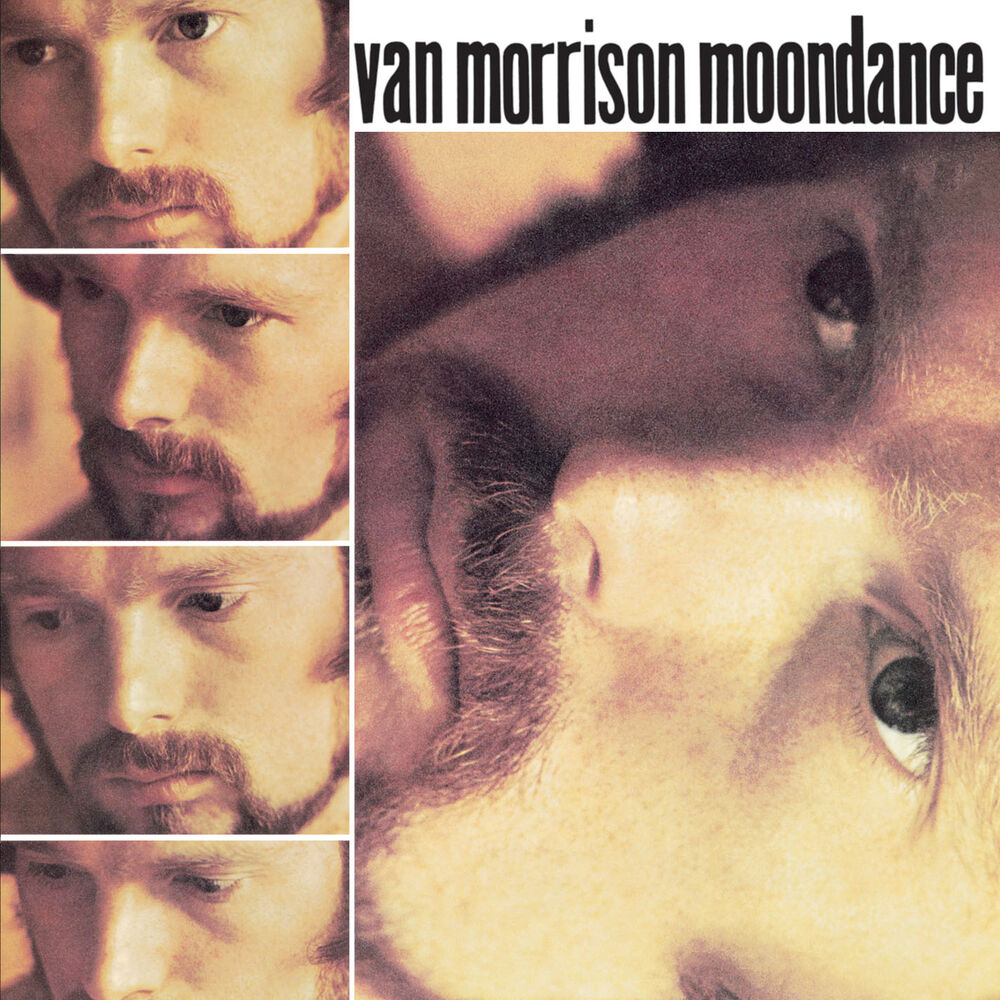
Key facts
- Album.name
- Moondance
- Album.type
- studio
- Album.artist
- Van Morrison
- Album.cover
- VanMorrisonMoondance.jpg
- Album.recorded
- August–September 1969
- Album.studio
- A&R (New York City)
- Album.genre
- R&B soul rock jazz pop Irish folk
- Album.length
- 38:14
- Album.label
- Warner Bros.
- Album.producer
- Van Morrison
- Album.prev_title
- Astral Weeks
- Album.prev_year
- 1968
- Album.next_title
- His Band and the Street Choir
- Album.next_year
- 1970
via Wikipedia infobox
Wikidata facts
- Instance of
- album
- Award
- Grammy Hall of Fame
- Genre
- Irish folk music
- Duration
- 2294
- Performer
- Van Morrison
- Distribution format
- music streaming
Show 7 more facts
- publication date
- 1970-01-27
- language of work or name
- English language
- number of parts of this work
- 5
- form of creative work
- studio album
- review score
- 5
- title
- Moondance
- place of publication
- United States
via Wikidata · CC0
~24 min read
Encyclopedic overview
17 sectionsContents
- Background
- Recording and production
- Music and lyrics
- Songs
- Packaging
- Release and reception
- Legacy and reappraisal
- 2013 reissue
- Track listing
- Personnel
- Charts
- Certifications
- See also
- Notes
- References
- Bibliography
- External links
Moondance is the third studio album by Northern Irish singer-songwriter Van Morrison. It was released on 27 January 1970 by Warner Bros. Records. After the commercial failure of his first Warner Bros. album Astral Weeks (1968), Morrison moved to upstate New York with his wife and began writing songs for Moondance. There, he met the musicians who would record the album with him at New York City's A & R Studios in August and September 1969.
The album found Morrison abandoning the abstract folk jazz compositions of Astral Weeks in favour of more formally composed songs, which he wrote and produced entirely himself. Its lively rhythm and blues/rock music was the style he would become most known for in his career. The music incorporated soul, jazz, pop, and Irish folk sounds into songs about finding spiritual renewal and redemption in worldly matters such as nature, music, romantic love, and self-affirmation.
Excerpted from Wikipedia’s “Moondance” article, available under the CC BY-SA 4.0 licence.