Encyclopedia of Life · EOL (see source)
Species
麗倉鼠科(Calomyscidae),哺乳綱、囓齒目、鼠總科的一科,而與麗倉鼠科同科的動物尚有短耳倉鼠屬(短耳倉鼠)、川田鼠屬(四川田鼠)等之數種哺乳動物。 取自“https://zh.wikipedia.org/w/index.php?title=麗倉鼠科&oldid=50047509” 分类:麗倉鼠科西南亞哺乳動物隐藏分类:本地相关图片与维基数据相同
via
Wikidata facts
- Instance of
- taxon
- Parent taxon
- Calomyscidae
- Image
- Calo10.jpg
Show 4 more facts
- taxon name
- Calomyscus
- Commons category
- Calomyscus
- taxon rank
- genus
- topic's main category
- Category:Mouse-like hamsters
Sources (1)
via Wikidata · CC0
~4 min read
Encyclopedic overview
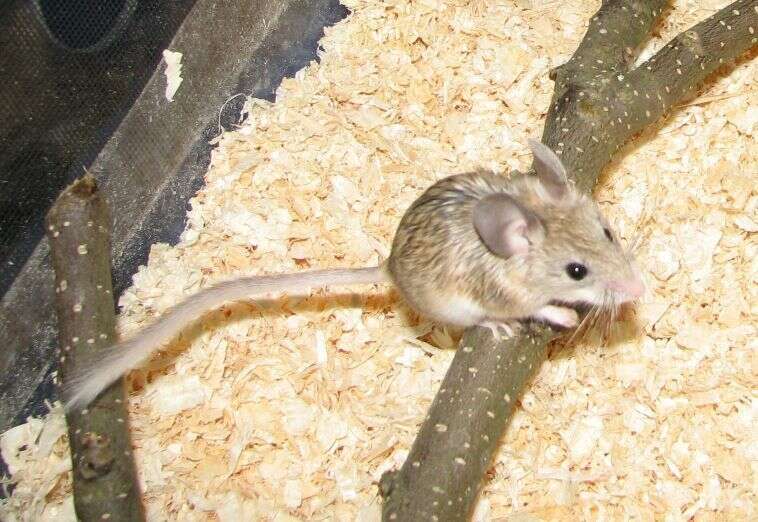
Mouse-like hamsters, also called brush-tailed mice or calomyscids, are a group of small rodents belonging to the genus Calomyscus found in Syria, Azerbaijan, Iran, Turkmenistan, Afghanistan, and Pakistan. They are found in rocky outcrops and semi-mountainous areas in desert regions. The generic name Calomyscus derives from the Greek word kalos, meaning 'beautiful'; the full name translates to "beautiful mouse".
The mouse-like hamsters are not true hamsters, but represent an early split from the rest of the mouse-like rodents. They were once thought to be hamsters based on the shape of their molars, but they lack the cheek pouches, flank glands and short tails of the true hamsters. The closest relatives of the mouse-like hamsters may be the extinct Cricetodontidae. Because of their seemingly early break from the rest of the mouse-like rodents, mouse-like hamsters have been placed in a family of their own, Calomyscidae, and have been referred to as living fossils.
Excerpted from Wikipedia’s “Mouse-like hamster” article, available under the CC BY-SA 4.0 licence.