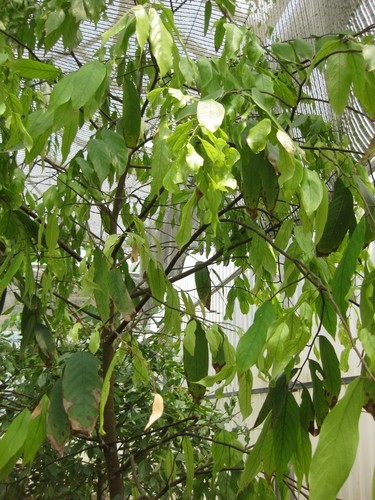
(c) Raffi Kojian, some rights reserved (CC BY-SA) · cc-by-sa
Neobalanocarpus
Sign in to saveNeobalanocarpus is a monotypic genus of plants in the family Dipterocarpaceae. The single species, Neobalanocarpus heimii, is a tropical hardwood tree. Common names for the tree and its wood products include chengal, chan ta khien, chi-ngamat, takian chan, and takian chantamaeo. The tree grows over tall. Chengal is considered the number one wood (classified as heavy hardwood) of Malaysia and export of logs is prohibited due to its scarcity. The species is listed as endangered on the IUCN Red list.
Species
Chengal
GENUS
- KingdomPlantae
- PhylumTracheophyta
- ClassMagnoliopsida
- OrderMalvales
- FamilyDipterocarpaceae
via GBIF · Kew POWO
Wikidata facts
- Instance of
- taxon
- Parent taxon
- Dipterocarpaceae
- Image
- Biggest Chengal tree.jpg
Show 6 more facts
- Commons category
- Neobalanocarpus
- taxon name
- Neobalanocarpus
- taxon rank
- genus
- topic's main category
- Category:Neobalanocarpus
- taxon common name
- 新棒果香属
Sources (1)
via Wikidata · CC0
~4 min read
Encyclopedic overview
6 sectionsContents
- Distribution
- Description
- Uses
- Durability
- References
- External links
Neobalanocarpus is a monotypic genus of plants in the family Dipterocarpaceae. The single species, Neobalanocarpus heimii, is a tropical hardwood tree. Common names for the tree and its wood products include chengal, chan ta khien, chi-ngamat, takian chan, and takian chantamaeo. The tree grows over tall. Chengal is considered the number one wood (classified as heavy hardwood) of Malaysia and export of logs is prohibited due to its scarcity. The species is listed as endangered on the IUCN Red list.
== Distribution == 300px|thumb|Chengal tree, Peninsular Malaysia, 2005 Neobalanocarpus heimii is endemic to the Malay Peninsula and grows under quite a range of conditions of soils and topography in Peninsular Malaysia (and southern Thailand) from low flat semi-swamp to hills, but appears to thrive best on undulating land with light sandy soils. See Wildlife of Malaysia. It is now extinct in Singapore, and possibly extinct in Thailand.
Excerpted from Wikipedia’s “Neobalanocarpus” article, available under the CC BY-SA 4.0 licence.
Gallery (2)
Available in 8 languages
via Wikidata sitelinks · CC0