#NEWPALMYRA
Sign in to saveAlso known as New Palmyra Project, NEWPALMYRA, New Palmyra
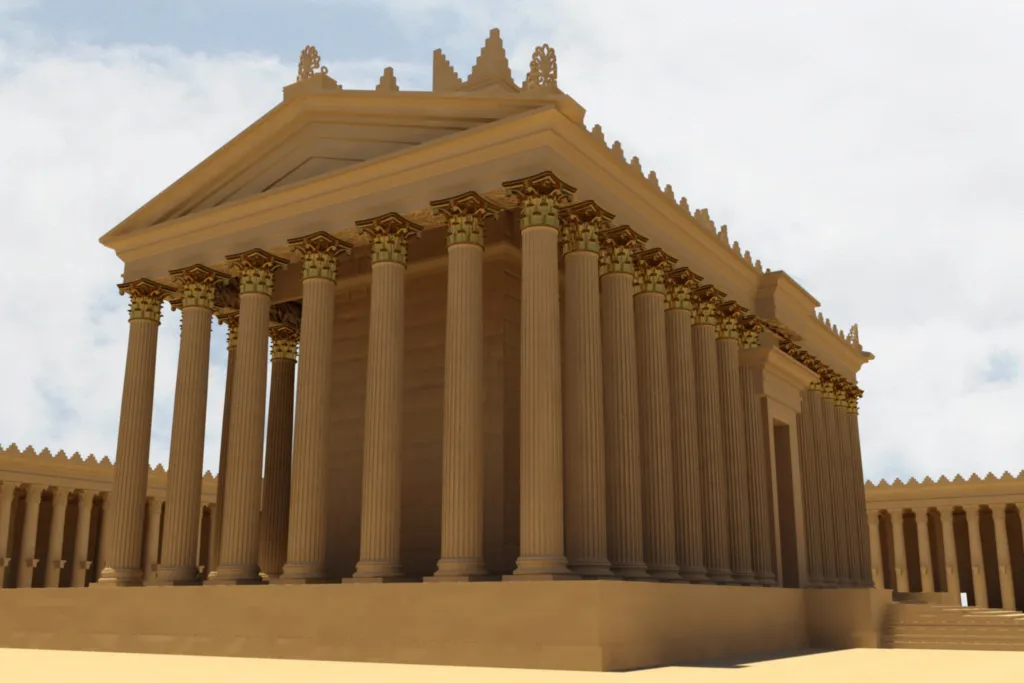
thumb|Temple of Bel rendering NEWPALMYRA (also known as the New Palmyra Project) is an effort to reconstruct the ancient city of Palmyra as an immersive virtual environment, based on archaeological and other clues. The project was started from photos taken by Bassel Khartabil, who had been taking care of Palmyra since 2005. He began building 3D models of the ancient city, with support from Al Aous Publishers. In 2012, Khartabil was arrested by the Assad regime, and the original project and open source files were lost. Barry Threw took over as director of the project, renamed it #NEWPALMYRA, br
Official website
#NEWPALMYRA
newpalmyra.org →Link to the official site · 6,610 chars · not written by Vinony
Described at
An Open-Source Project to Rebuild Palmyra
The historical archaeological site in Syria, a recent target of ISIS, is coming back to life in the virtual world, drawing awareness to the detention of a free-access-Internet activist who has helped to digitally preserve the ancient city.
architectmagazine.com →A group of online activists is crowdsourcing the preservation of one of the most significant heritage sites in the world while pressuring for the release of a key advocate for free-access Internet in Syria. Launched earlier this week, New Palmyra ( NewPalmyra) is an online archive and data repository that seeks to re-construct its ancient namesake city, now a UNESCO World Heritage Site , using models generated from photos gathered by Syria-based open-access-Internet advocate Bassel Khartabil from 2005 until his arrest by the country’s Assad regime in 2012. The city, which had long been a desert oasis, rose to prominence under Roman rule in the 1st-century A.D. The ruins of its structures, which married Greco-Roman building styles with Persian influences, were discovered and made public by travelers to the region during the 17th and 18th centuries. Since then, the site has informed architecture and archaeology, among other fields, but in the past year has been all but obliterated at the hands of ISIS, which has controlled Palmyra since May . That the ruins of Palmyra have been destroyed isn’t stopping preservationists from maintaining its legacy. New Palmyra seeks to digitally replicate the individual structures of the ancient city in as close to their original form as possible. The project is being released under a Creative Commons “0” license, which allows the public to access and build on the archive with their own visual and artistic works, the project’s interim director, Barry Threw, told ARCHITECT. The team is also honing its models and has plans to use them to create virtual walk-throughs and other interactive online viewing and learning experiences. New Palmyra is working with organizations including the MIT Media Lab, tech consultants Fabricatorz , the United Arab Emirates–based Barjeel Art Foundation , and Recombinant Media Labs , in San Francisco. The first 3D model posted is of the Temple of Bel (shown at the beginning of this article), one of the most significant structures at Palmyra and whose main building and surrounding columns were destroyed by ISIS in August . Upcoming 3D-model releases include the Temple of Baal-Shamin and the Triumphal Arches, both of which have been blown up by ISIS in recent months, as well as the ancient city’s Theater, the Agora, the Allat Temple, and the Temple of Nabu, Threw says. New Palmyra isn’t the only group using cutting-edge technology to revive civilization’s earliest architectural feats—particularly those that have found themselves at the center of cultural and political conflicts. Early this week, CyArk, an Oakland, Calif.-based nonprofit that specializes in 3D scanning and digitally preserving heritage sites worldwide , announced plans to work with the French non-governmental organization the International Council of Monuments and Sites to digitally scan and model dozens of heritage sites in the Middle East, including in Syria and Iraq. Called Project Aqua, the initiative will collaborate with local experts to record at-risk archaeological and architectural sites using technologies like 3D-laser scanning, photogrammetry, and conventional surveying. So far, the team has released scan results of the Ziggurat of Ur, an Early Bronze Age temple complex in Iraq. “The beloved heritage in the ancient ‘Cradle of Civilization’ is under threat, evidenced by the destruction of landmarks at Palmyra and Mosul,” CyArk president and co-founder Ben Kacyra said in a press release . “The digital technology exists to preserve measurable 3D models of these historical sites before they are damaged or destroyed.” Ultimately, digitizing and globally sharing replications of places like Palmyra helps to maintain centuries of preservation work as those responsible for building such a knowledge base are themselves made targets of the destruction. In perhaps the most brutal attack on the Syrian cultural site and its legacy, ISIS members beheaded a prominent Syrian antiquities scholar, the 82-year
Excerpt from a page describing this subject · 14,932 chars · not written by Vinony
Wikidata facts
- Named after
- Palmyra
- Field of work
- cultural heritage
- Founded by
- Bassel Khartabil
- Official website
- www.newpalmyra.org
- Image
- Tetrapylon-3D-Print.jpg
Show 4 more facts
- inception
- 2015-10-21
- Commons category
- New Palmyra Project
- social media followers
- 1195
via Wikidata · CC0
~7 min read
Encyclopedic overview
5 sectionsContents
- 3D models
- Reconstructions and exhibits
- Popular discussion
- References
- External links
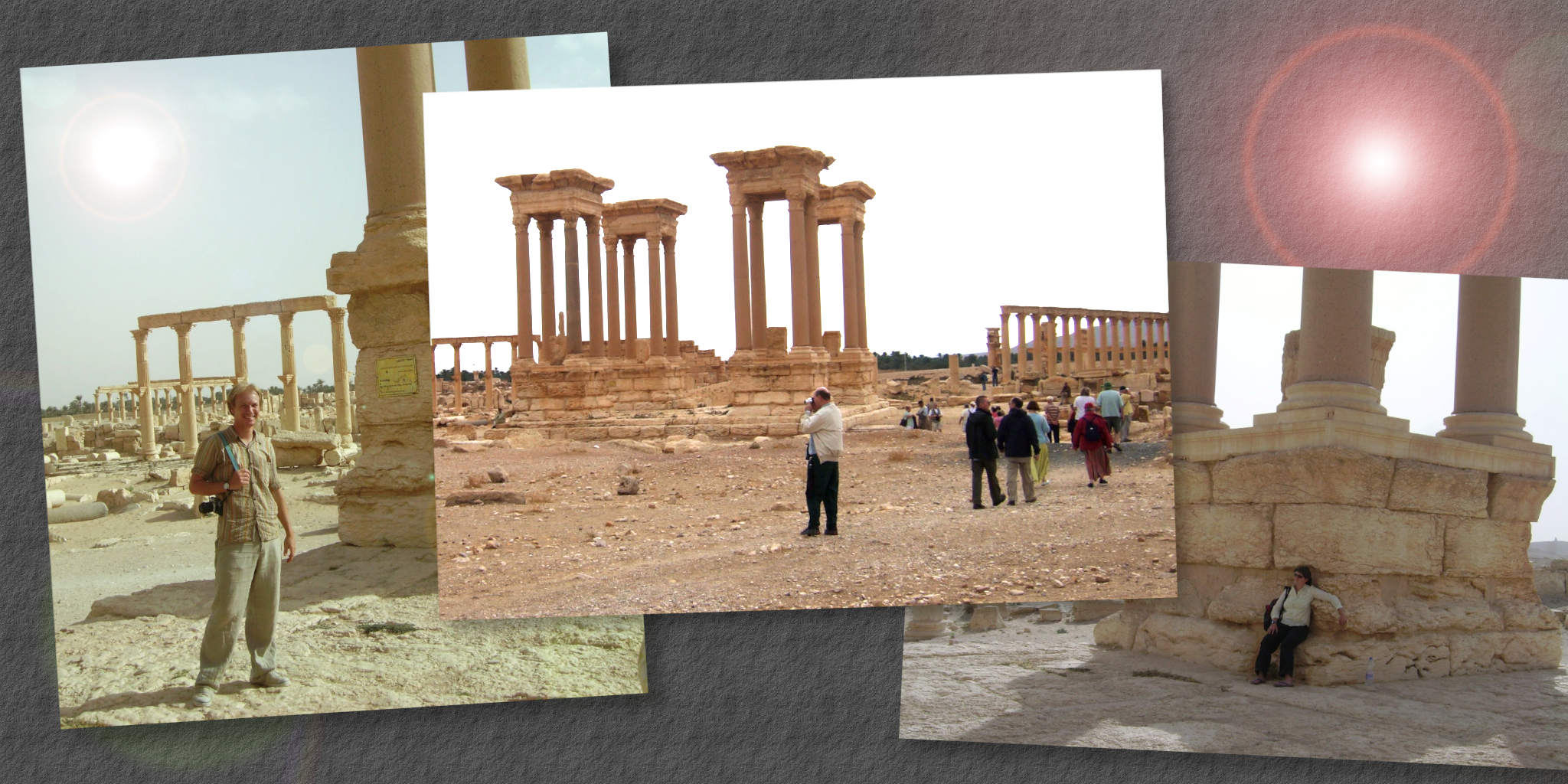
Have you been to Palmyra? We want your photos. ==============================================
Excerpted from Wikipedia’s “#NEWPALMYRA” article, available under the CC BY-SA 4.0 licence.