Russell A. Mittermeier;Don E. Wilson
Notoryctes typhlops
Sign in to saveAlso known as southern marsupial mole, Central Desert marsupial mole
species of mammal
OverviewAI-generated
*Notoryctes typhlops* is a species within the kingdom Animalia, phylum Chordata, and class Mammalia. It belongs to the order Notoryctemorphia and the family Notoryctidae. The taxon was originally described by Stirling in 1889.
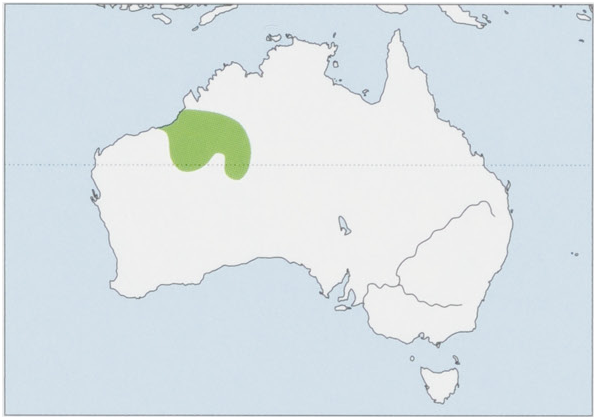
The species is found in Australia. Its conservation status is listed as Least Concern according to the IUCN Red List assessment from 2016. Specimens of this organism are held by several institutions, including MVZ, RBINS-SCIENTIFIC HERITAGE, ANWC, AMNH, and NMV.
Synthesized by Vinony from 19 facts across 6 sources: Wikidata, GBIF, Gbif Occ, IUCN Red List, iDigBio, Vinony graph. Generated from structured data (not the Wikipedia text) and checked against those facts — may still contain errors.
Species
Least ConcernSPECIES
- KingdomAnimalia
- PhylumChordata
- ClassMammalia
- OrderNotoryctemorphia
- FamilyNotoryctidae
Notoryctes typhlops Notoryctes generoko animalia da. Notoryctemorphia ordenaren barruko ugaztuna da. Notoryctidae familian sailkatuta dago.
via GBIF · IUCN
Museum specimens
- Specimen records
- 446
- With media
- 6
- Family
- Notoryctidae
- Collections
- MVZ, RBINS-SCIENTIFIC HERITAGE, ANWC, AMNH, NMV, LSUMZ
- Recorded in
- Australia
Wikidata facts
- Instance of
- taxon
- Parent taxon
- Notoryctes
- Image
- Notoryctes typhlops.jpg
Show 8 more facts
- Commons category
- Notoryctes typhlops
- taxon name
- Notoryctes typhlops
- taxon rank
- species
- IUCN conservation status
- Least Concern
- taxon common name
- 南方袋鼹
- taxon author citation
- (Stirling, 1889)
- diel cycle
- cathemeral
- short name
- N. typhlops
Sources (2)
via Wikidata · CC0
~13 min read
Encyclopedic overview
The southern marsupial mole (Notoryctes typhlops), also known as the itjaritjari ( pronounced [ˈɪɟɐrɪɟɐrɪ]) or itjari-itjari, is a mole-like marsupial found in the western central deserts of Australia. It is extremely adapted to a burrowing way of life. It has large, shovel-like forepaws and silky fur, which helps it move easily. It also lacks complete eyes as it has little need for them. It feeds on earthworms and larvae.
History of discovery
Excerpted from Wikipedia’s “Notoryctes typhlops” article, available under the CC BY-SA 4.0 licence.