Paul Sein Twa
Sign in to saveEnvironmental activist from Myanmar
Music · MusicBrainz
- Type
- Group
- Origin
- Canada
- Active from
- 1999
Discography
- TWA1999
- 6 milliards d'employés2005
- Crackpot Montréal2006
via MusicBrainz · CC0
Described at
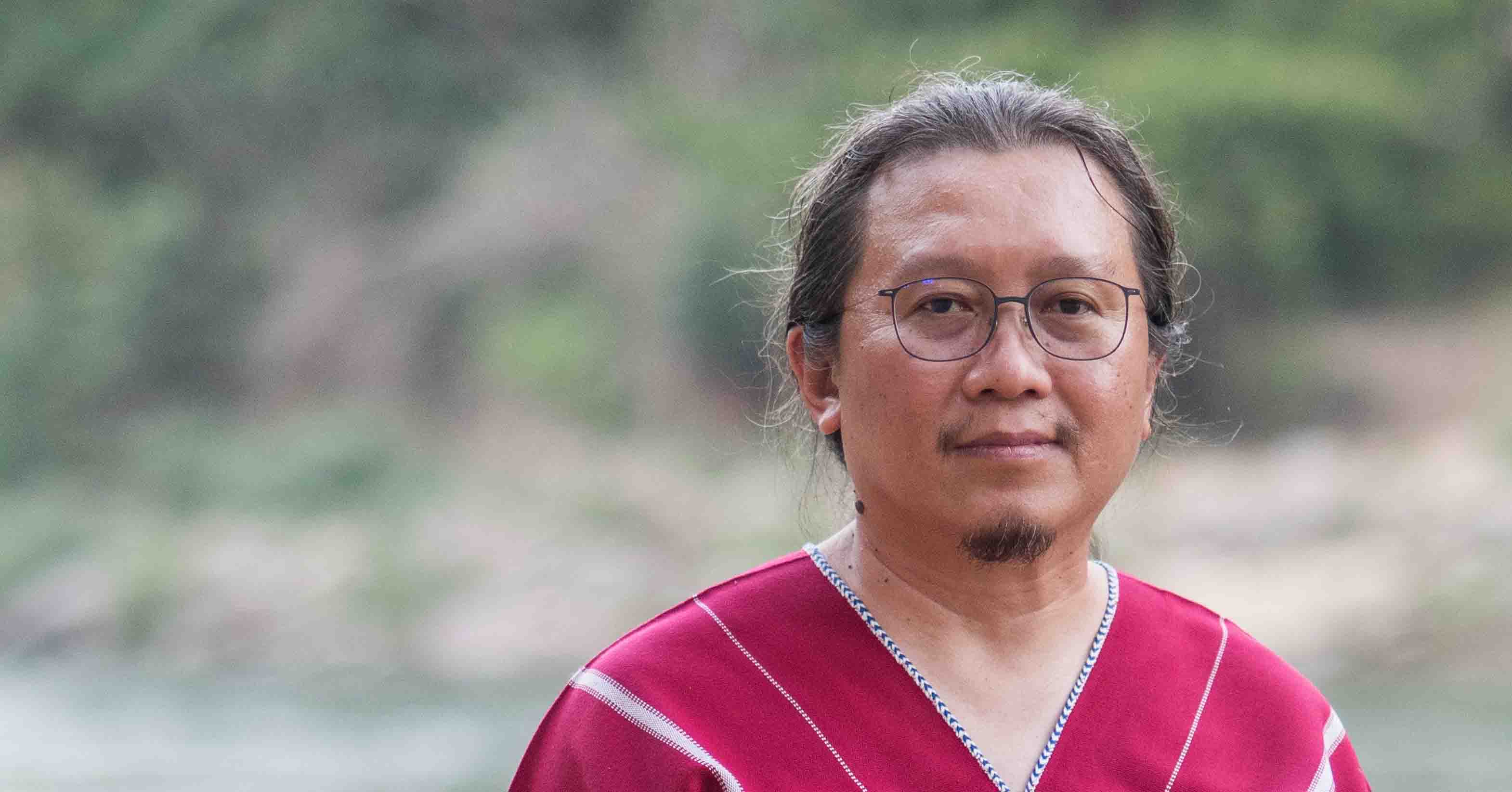
Paul Sein Twa - Goldman Environmental Prize
Paul Sein Twa led his Indigenous people in establishing Myanmar’s 1.35-million-acre Salween Peace Park—a unique community-based approach to conservation.
goldmanprize.org →Seeking to preserve both the environment and Karen culture in Myanmar, in December 2018 Paul Sein Twa led his people in establishing a 1.35-million-acre peace park—a unique and collaborative community-based approach to conservation—in the Salween River basin. The Salween River basin is a major biodiversity zone and home to the indigenous Karen people, who have long sought self-determination and cultural survival. The new park represents a major victory for peace and conservation in Myanmar. After World War II, the Karen people—one of eight major ethnic groups in Myanmar—sought an independent state, leading to a 70-year armed political conflict. Throughout the 1980s and 1990s, hundreds of thousands of Karen fled to refugee camps along the Thai border. Since 2015, there has been a nationwide ceasefire agreement in place, with tensions and occasional skirmishes replacing open hostilities. Largely isolated due to years of conflict, the Salween River basin is both a major biodiversity zone and the home of the indigenous Karen people. The region has some of the last remaining intact wilderness areas in mainland Southeast Asia, including vast stretches of teak forests, tigers, endangered Sunda pangolins, clouded leopards, gibbons, Asiatic black bears, and sun bears. The Salween River—Asia’s longest free-flowing river—also runs through the territory. Today, as resource-rich Myanmar transitions from military dictatorship to capitalist democracy, there has been an increase in logging, mining, agribusiness, dams, and rubber extraction in the area. In 1998, the Burmese government proposed the $2.6 billion, 1,360-megawatt Hatgyi dam in the southern Salween basin—in the heart of Karen territory. Paul Sein Twa, 47, is an indigenous Karen who grew up along the Thai-Burmese border and has spent his life navigating the zones of conflict. He is deeply connected to the physical, spiritual, and cultural landscape of the Salween River basin, and has dedicated his life to preserving its land and traditions, which are deeply intertwined for the Karen people. In 2001, he co-founded the Karen Environmental and Social Action Network (KESAN) in order to protect the environment and culture of the Karen community. In 2005, as industrial development increased in the region, Sein Twa began facilitating a community-driven approach to protect the Salween River basin, with support from local government and others. He attended international meetings to learn about various conservation approaches and learned about the peace park model. Rather than responding to each new project that appeared, he launched a proactive strategy of environmental protection and self-determination for his community. Peace parks—also known as transboundary protected areas—seek to preserve zones of biodiversity and cultural heritage using conservation to promote peacebuilding. Selous-Niassa Wildlife Corridor (Tanzania/Mozambique), Emerald Triangle conservation zone (Thailand/Laos/Cambodia), and Cordillera del Condor (Ecuador/Peru) are examples of earlier peace parks. Sold on the concept of creating a peace park in their beloved Salween River basin, in 2016 Sein Twa and KESAN worked with Karen civil society and local government to mobilize Karen community support, holding public consultations, seminars, and educational meetings with 348 villages representing some 68,000 people. In order to ensure community buy-in and involvement throughout the process, Sein Twa worked with local leaders to organize a community referendum to approve a charter and governance structure, garnering 75% community support. He worked with the Karen Forest Department to replace colonial forestry principles with traditional practices and helped communities define borders using natural landmarks. Sein Twa and his team used GPS to map parcels and accurately record Karen ownership of land, and they documented biodiversity and conducted data analysis in the forests. On December 18, 2018, the Karen people offic
Excerpt from a page describing this subject · 12,868 chars · not written by Vinony
Wikidata facts
- Instance of
- human
- Given name
- Paul
- Gender
- male
- Citizenship
- Myanmar
- Occupation
- environmentalist
Show 3 more facts
- described at URL
- www.goldmanprize.org/recipient/paul-sein-twa
- date of birth
- 1973-00-00
- on focus list of Wikimedia project
- WikiProject Climate change
Sources (1)
via Wikidata · CC0