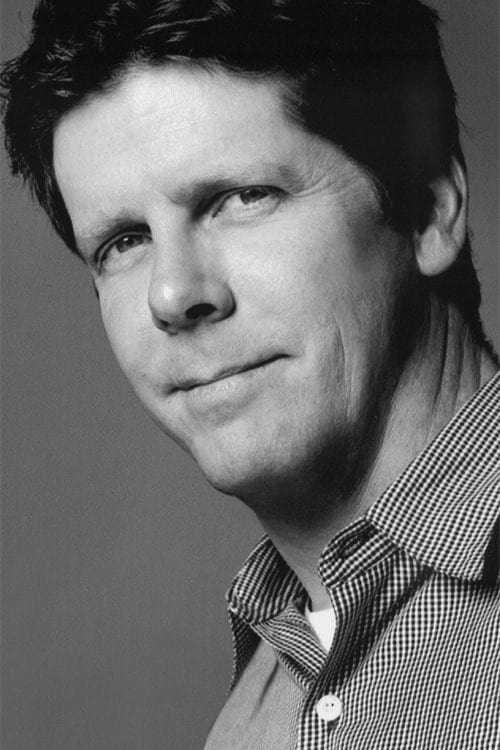
Profile via TMDB · Courtesy of TMDB
Peter Deming
Sign in to savedirettore della fotografia statunitense
Film & TV
Beirut, Lebanon
Peter Deming, ASC (born December 13, 1957) is a Lebanese-born American cinematographer known for collaborating with directors like Sam Raimi, David Lynch, Wes Craven, and Jay Roach. He won the 2002 Independent Spirit Award for Best Cinematography for Mulholland Drive and was nominated for a Primetime Emmy Award for his work on the third season of Twin Peaks. Description above from the Wikipedia…
Known for
- Eli Roth's History of Horror — Self2018
- The Making of the Wonderful Wizard of Oz — Self2013
- Cinematographer Style — Self2006
- Scream 2 — Popcorn Boy1997
- Making of Biohazard 2 TV-CM — Self1997
via TMDB
Listeners · Last.fm
- Listeners
- 1
- Total plays
- 1
<a href="https://www.last.fm/music/Peter+Deming">Read more on Last.fm</a>
Wikidata facts
- Instance of
- human
- Given name
- Peter
- Gender
- male
- Citizenship
- United States
- Place of birth
- Beirut
- Occupation
- cinematographer
- Educated at
- American Film Institute
- Languages spoken
- English language
- Image
- Peter Deming Energa Camerimage 2025 Toruń (cropped).jpg
Show 2 more facts
- date of birth
- 1957-12-13
- start of work period
- 1982-00-00
Sources (3)
via Wikidata · CC0
Article · Italiano
Peter Deming (Beirut, 13 dicembre 1957) è un direttore della fotografia statunitense. Attivo principalmente nel campo della commedia hollywoodiana, come in Balle spaziali 2 - La vendetta (1989), Palle in canna (1993) e la serie di film di Austin Powers, ha però espresso le sue maggiori potenzialità nei film drammatici o dell'orrore, curando per David Lynch la fotografia di Strade perdute (1997), Mulholland Drive (2001) e del "revival" di Twin Peaks (2017), per Wes Craven quella di tre episodi della serie di film di Scream e ricreando una «memorabile» Londra vittoriana ne La vera storia di Jack lo squartatore - From Hell (2001), definito da Stefano Masi nel suo Dizionario mondiale dei direttori della fotografia «uno degli esiti fotografici più alti del cinema dei primi anni duemila [...] grazie ad un miracoloso equilibrio fra effetti ottici tradizionali e processi digitali moderni».
Abstract from DBpedia / Wikipedia · CC BY-SA