physical weathering
Sign in to saveAlso known as mechanical weathering
weathering process that causes physical disintegration of exposed rock
Described at
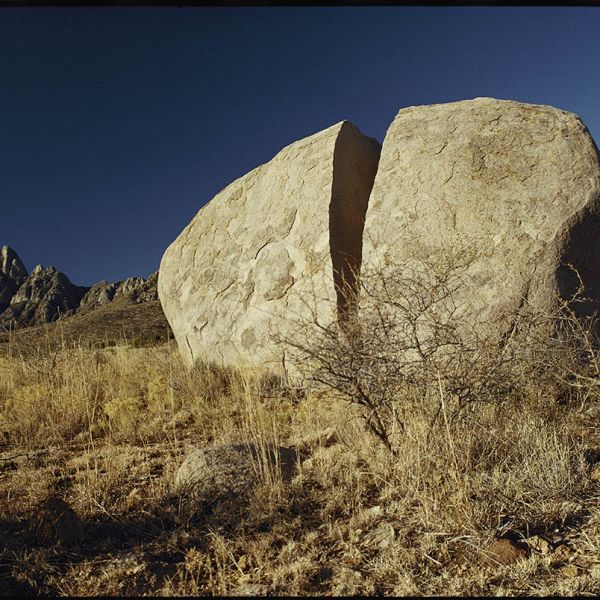
Weathering
Weathering describes the breaking down or dissolving of rocks and minerals on the surface of Earth. Water, ice, acids, salts, plants, animals and changes in temperature are all agents of weathering.
education.nationalgeographic.org →Weathering describes the breaking down or dissolving of rocks and minerals on the surface of Earth. Water, ice, acids, salts, plants, animals and changes in temperature are all agents of weathering. Weathering describes the breaking down or dissolving of rocks and minerals on the surface of Earth. Water, ice, acids, salts, plants, animals and changes in temperature are all agents of weathering. Once a rock has been broken down, a process called erosion transports the bits of rock and mineral away. Together, these processes have carved famous landmarks, such as the Grand Canyon in the U.S. state of Arizona. This massive canyon is 446 kilometers (277 miles) long, up to 29 kilometers (18 miles) wide and around 1.6 kilometers (one mile) deep. Weathering and erosion constantly change the rocky landscape of Earth. Weathering wears away exposed surfaces over time. The duration of exposure often contributes to how vulnerable a rock is to weathering. Rocks such as lavas are quickly buried beneath other rocks and are less vulnerable to weathering and erosion than rocks that are exposed to agents such as wind and water. As it smooths rough, sharp rock surfaces, weathering contributes to the production of soil. Soil forms as tiny bits of weathered minerals mix with plants, animal remains, fungi, bacteria and other organisms. Weathered materials from a single type of rock typically produce infertile soil, while materials from a collection of rocks is richer in mineral diversity and creates more fertile soil. Soil types associated with a mixture of weathered rock include glacial till, loess and alluvial sediments. Weathering is often divided into two processes: mechanical weathering and chemical weathering. Biological weathering, in which living or once-living organisms contribute to weathering, can be a part of both processes. Mechanical weathering, also called physical weathering and disaggregation, causes rocks to crumble. Water, in either liquid or solid form, is often a key agent of mechanical weathering. For instance, liquid water can seep into cracks and crevices in rock. When temperatures drop low enough, liquid water turns into ice. As the water freezes, it expands, causing the ice to work as a wedge. It slowly widens the cracks and splits the rock. When the ice melts, liquid water performs the act of erosion by carrying away the tiny rock fragments lost in the split. This specific process (the freeze-thaw cycle) is called frost wedging or cryofracturing. Temperature changes can also contribute to mechanical weathering in a process called thermal stress. Changes in temperature cause rock to expand (with heat) and contract (with cold). As this happens over and over again, the structure of the rock weakens. Over time, it crumbles. Rocky desert landscapes are often subject to thermal stress because of the large temperature fluctuations from day to night. Salt also works to weather rock in a process called haloclasty. Saltwater sometimes gets into the cracks and pores of rock. When the water evaporates, it leaves behind salt crystals. As the crystals grow, they put pressure on the rock, slowly breaking it apart. Honeycomb weathering is associated with haloclasty. As its name implies, honeycomb weathering describes rock formations that look like honeycombs, with hundreds or even thousands of pits formed by the growth of salt crystals. Honeycomb weathering is common in coastal areas, where sea sprays constantly force rocks to interact with salts. Haloclasty is not limited to coastal landscapes. Salt weathering occurs in deserts as well, creating formations known as salt upwellings or salt anticlines. In this geologic process, underground salt domes expand and contribute to weathering of the overlying rock. Salt can even impact the built environment. Structures in the ancient city of Petra, Jordan, were made unstable and often collapsed due to haloclasty. Weathering can cause the entire outer layers of rock formations to flake of
Excerpt from a page describing this subject · 15,249 chars · not written by Vinony
Wikidata facts
- Subclass of
- weathering
- Main subject
- physical education
Show 2 more facts
- Commons category
- Mechanical weathering
- described at URL
- education.nationalgeographic.org/resource/weathering
via Wikidata · CC0