Platostoma · Kew POWO · Kew Plants of the World Online
Platostoma
Sign in to saveAlso known as Mesona
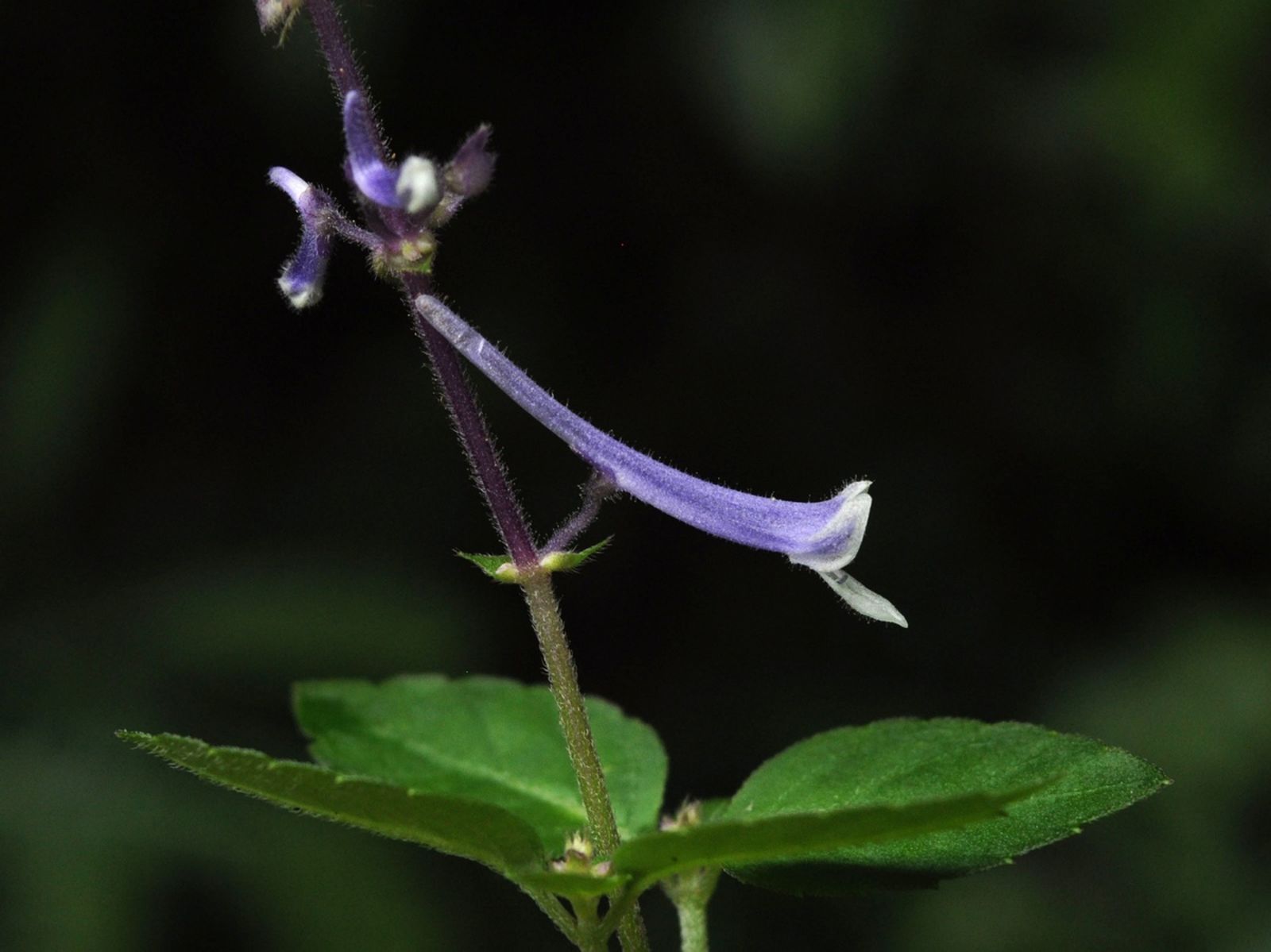
Platostoma is a genus of flowering plants in the mint family, Lamiaceae, first described as a genus in 1818. It is native to tropical parts of Africa, southern Asia, Papuasia, and Australia. Mesona and Acrocephalus has been known as its synonyms.
Species
GENUS
- KingdomPlantae
- PhylumTracheophyta
- ClassMagnoliopsida
- OrderLamiales
- FamilyLamiaceae
General: the Platostoma group see Paton (1997). In some species, the habit
via GBIF · Kew POWO
Museum specimens
- Specimen records
- 90
- With media
- 86
- Family
- Lamiaceae
- Collections
- NY, MO, A, MEL, O, MNHN
- Recorded in
- Tanzania, Thailand, Laos, India, China, Madagascar, Gabon, Australia
Wikidata facts
Show 7 more facts
- taxon name
- Platostoma
- taxon rank
- genus
- topic's main category
- Category:Platostoma
- Commons category
- Platostoma
- taxon common name
- 逐风草属
- taxon synonym
- Acrocephalus
Sources (1)
via Wikidata · CC0
~5 min read
Encyclopedic overview
13 sectionsContents
- Description
- Taxonomy
- Subgenus ''Acrocephalus''
- Section ''Acrocephalus''
- Section ''Heterodonta''
- Subgenus ''Octomeron''
- Subgenus ''Platostoma''
- Section ''Platostoma''
- Section ''Ceratanthus''
- Section ''Limniboza''
- Section ''Mesona''
- References
- External links
Platostoma is a genus of flowering plants in the mint family, Lamiaceae, first described as a genus in 1818. It is native to tropical parts of Africa, southern Asia, Papuasia, and Australia. Mesona and Acrocephalus has been known as its synonyms.
A widely consumed species in this genus is Platostoma palustre (synonyms Mesona chinensis, M. elegans, and M. procumbens), or xiancao (仙草) in Mandarin, sian-chháu (仙草) in Taiwanese, leung fun cho (涼粉草) in Cantonese, sương sáo in Vietnamese, and cincau in Indonesian and Malay. It is eaten as a snack in drinks, or set as a gel and served as a grass jelly.
Excerpted from Wikipedia’s “Platostoma” article, available under the CC BY-SA 4.0 licence.
Gallery (2)
Available in 15 languages
- Español
- 中文
- Português
- azb
- Azerbaijani
- Bahasa Indonesia
- Cebuano
- Croatian
- Egyptian Arabic
- Galician
- Javanese
- Malay
- Tiếng Việt
- zh_min_nan
via Wikidata sitelinks · CC0