Encyclopedia of Life · EOL (see source)
Port Jackson shark
Sign in to saveAlso known as Heterodontus portusjacksoni
species of shark (Heterodontus portusjacksoni)
Species
Least Concernbullhead
Species
- PhylumChordata
- ClassElasmobranchii
- OrderHeterodontiformes
- FamilyHeterodontidae
Der Port-Jackson-Stierkopfhai (Heterodontus portusjacksoni) ist ein 1 bis 1,2 m (max. 1,65 m) langer, grauer bis hellbrauner Hai mit einigen auffallenden dunklen Streifen. Er kommt nur vor Australien und Neuseeland vor und ist für Bissunfälle mit Badegästen bekannt, weil er sich bei Störungen oft wehrt. Häufig ruht er am Grund, auch in seichten Gewässerabschnitten. Ansonsten ist er für Menschen völlig harmlos.
via IUCN
Wikidata facts
- Instance of
- taxon
- Parent taxon
- Heterodontus
- Image
- 2009 shark in Shanghai.JPG
Show 7 more facts
- taxon rank
- species
- IUCN conservation status
- Least Concern
- taxon name
- Heterodontus portusjacksoni
- Commons gallery
- Heterodontus portusjacksoni
- taxon common name
- portjacksonski bikoglavec
- Commons category
- Heterodontus portusjacksoni
- short name
- H. portusjacksoni
Sources (1)
via Wikidata · CC0
~12 min read
Encyclopedic overview
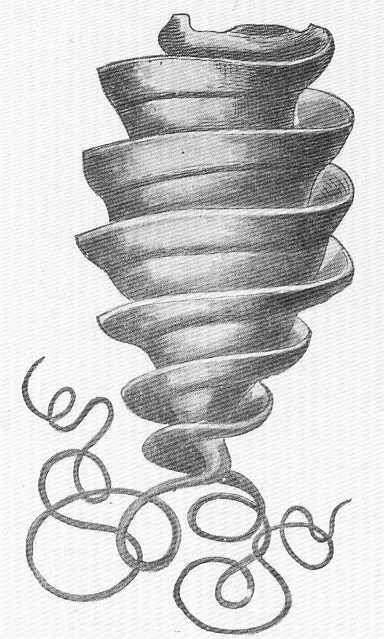
The Port Jackson shark (Heterodontus portusjacksoni) is a nocturnal, oviparous (egg laying) type of bullhead shark of the family Heterodontidae, found in the coastal region of southern Australia, including the waters off Port Jackson. It has a large, blunt head with prominent forehead ridges and dark brown harness-like markings on a lighter grey-brown body, and can grow up to 1.65 metres (5.5 ft) long. They are the largest in the genus Heterodontus.
The Port Jackson shark is a migratory species, traveling south in the summer and returning north to breed in the winter. It feeds on hard-shelled mollusks, crustaceans, sea urchins, and fish. Identification of this species is very easy due to the pattern of harness-like markings that cross the eyes, run along the back to the first dorsal fin, then cross the side of the body, in addition to the spine in front of both dorsal fins.
Excerpted from Wikipedia’s “Port Jackson shark” article, available under the CC BY-SA 4.0 licence.